Header Coldwell Banker Realty Logo 2020

blog

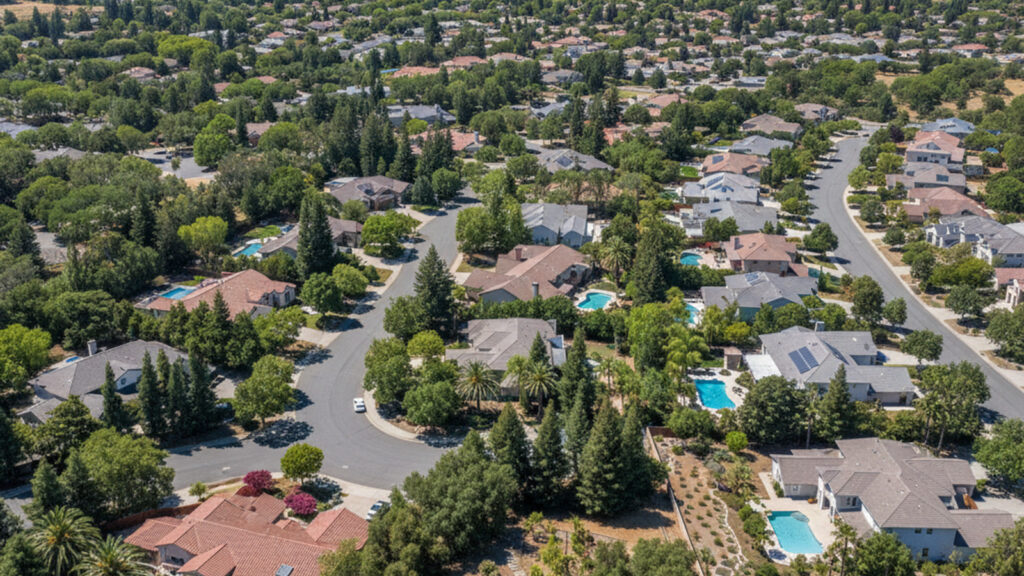
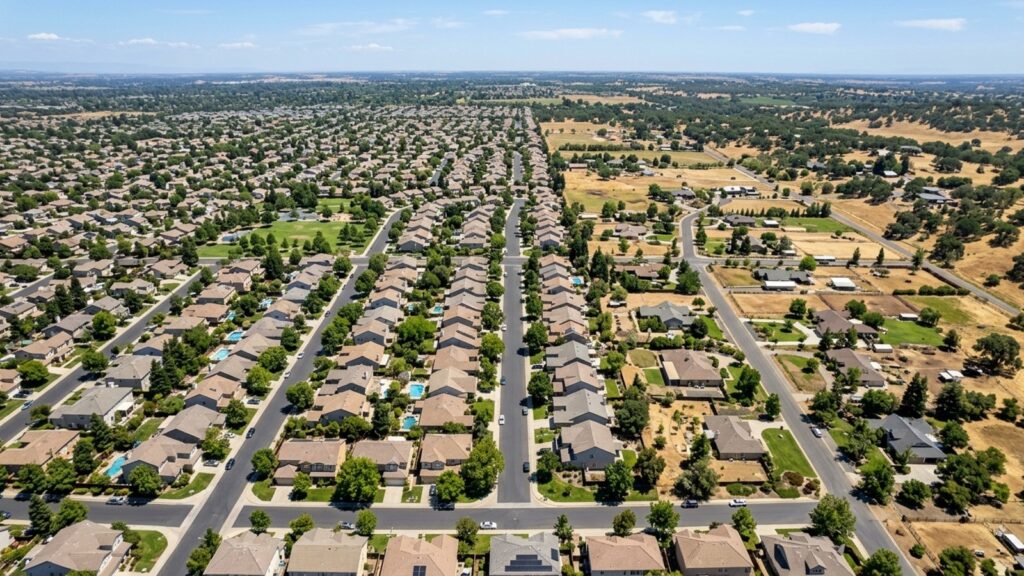
Aerial view of suburban homes and open fields.

Setting Up Utilities in Roseville, CA: Water Systems and Service Costs

The median home sale price in Roseville, CA sits around $660,000, and available homes typically go under contract in roughly 21 days. Buyers weighing the pros and cons of living in Roseville, CA often assume their new property connects directly to standard municipal services. Most neighborhoods do run on the city grid – but some properties, especially on larger lots toward the Placer County borders, rely on private wells and septic systems instead.

The city manages most public services through its Environmental Utilities department, covering water, wastewater, recycled water, waste, and stormwater. Whether a property taps into that municipal network or pumps from a private well changes how you evaluate the purchase and plan your monthly budget. Get clear on this early.

Comparing City and Well Water Systems in Placer County

Homes in the area draw water from one of two sources. You either pay the city for treated water piped directly to your property, or you pump groundwater from a private well on your own land. Most traditional subdivisions and newer developments connect to the municipal supply. Private wells show up more often on lots exceeding 100,000 square feet or in older, rural pockets of the county. Either way, verify the water source before you’re deep into the transaction – it dictates your maintenance responsibilities and monthly costs from day one.

How to Tell What a Property Uses

A quick look at the property usually gives it away. Homes on the municipal system have a water meter, which the city requires for all residential dwelling units with building permits issued after January 1, 1992.

Properties with private wells typically have a wellhead – a capped pipe coming out of the ground – and a pressure tank near the house or inside a pump house. Listings should disclose the water source, but confirming a meter or wellhead yourself takes about two minutes and removes any ambiguity.

Monthly Water Costs for Roseville Homeowners

The city calculates municipal water bills using a flat monthly service charge based on meter size, plus a usage rate. For a typical residential customer using 1,400 cubic feet of water per month – about 10,472 gallons – the monthly bill ran approximately $55.99 as of July 2025. A planned increase for July 2026 brings that figure to roughly $58.24. Homeowners on this system receive a single bill from Environmental Utilities that bundles water with wastewater and trash collection, which simplifies the bookkeeping considerably.

Budgeting for Private System Expenses

Well owners don’t pay a monthly water bill to the city. The cost of water is essentially your electricity bill to run the pump, plus ongoing maintenance of the equipment.

That sounds appealing until something breaks. Replacing a well pump or pressure tank requires real upfront capital, and routine servicing by a licensed C-57 contractor adds to the long-term cost of ownership. Budget accordingly rather than assuming the savings are free money.

Testing and Quality Standards for Your Home’s Water

The City of Roseville‘s 2025 annual water quality report confirms that the municipal drinking water meets or exceeds all state and federal safety standards. City staff test and monitor the water thousands of times each year. Municipal water goes through treatment at a central facility before it reaches individual homes – removing contaminants and adding chlorine to keep it safe as it moves through the distribution system.

Monitoring Private Groundwater

With a private well, water quality is entirely your responsibility. Placer County Environmental Health requires that property owners submit water samples for bacteriological analysis when seeking certain permits – testing for Total Coliform, E. Coli, and chlorine residual, performed by an ELAP-Certified Laboratory.

Even when no permit triggers that requirement, well owners should test annually. If mineral levels are high, you’ll want appropriate filtration or softening systems in place before problems show up in your fixtures or your family’s water glass.

The Upsides and Downsides of a Private Well

Relying on groundwater gives homeowners independence from municipal rate increases and usage restrictions during drought years. You control your own supply. Well water also lacks the added chlorine and fluoride found in city water, and many people genuinely prefer the taste of untreated groundwater – provided the local aquifer produces clean, clear water.

Maintenance and Reliability Concerns

The core vulnerability is electricity. When the power goes out, the pump stops, and so does your water pressure – until the grid comes back or a backup generator takes over.

Groundwater levels can also shift with the seasons. A well producing reliably in spring might slow down by late summer, which requires paying attention to household water use in ways that city customers never have to think about.

Connecting to the Roseville Municipal System

Converting a property from a private well to city water isn’t as simple as running a new pipe. Placer County requires that abandoned wells be destroyed in accordance with county standards as a condition of a construction or modification permit, and the enforcement agency won’t sign off on building permits if unaddressed abandoned wells exist on the property. You can’t just leave an old well sitting there once you’re on the public grid.

Managing the Conversion Process

Connecting to the public system means paying hookup and connection fees to the city. Specific Roseville connection fees vary by property, but every new connection requires a permitted water meter. A licensed contractor handles both the physical connection to the municipal main and the proper destruction of the old well.

If you’re planning to make this switch, get quotes for the work before you close. The numbers matter for your negotiation.

What to Check Before Buying a Well-Served Property

Placer County enforces specific rules for domestic wells on lots under 100,000 square feet. No person may commence construction of a single-family residence until water adequate for domestic use is provided from a well constructed to county standards. A four-hour well yield test, which measures gallons per minute, may be required prior to building permit issuance or receiving a Certificate of Occupancy.

If you’re buying an existing home served by a well, request a similar yield test during your inspection window. Don’t skip it.

Inspecting the Equipment

All well construction, reconstruction, and destruction must be performed by a person holding an active C-57 contractor’s license. Ask the seller for records of past maintenance – you want confirmation that licensed professionals handled the work, not a previous owner with a YouTube education.

A standard home inspector rarely evaluates well equipment. Hire a specialized well contractor to inspect the pump, pressure tank, and electrical components separately. It’s a modest cost relative to what you’re about to spend on the house.

Frequently Asked Questions About Roseville Utilities

Is electricity in Roseville, CA provided by PG&E or Roseville Electric?

Roseville Electric provides power to most properties within the city limits. Homes outside the city boundaries often fall under PG&E territory.

How do I set up or transfer city utilities when buying a home in Roseville?

You can set up services directly through the city’s Environmental Utilities department. They handle water, wastewater, and trash collection under a single account.

How much is the initial deposit to start new water and electric service in Roseville?

Deposit amounts vary based on the specific services requested. Check the Environmental Utilities page for the most current fee schedule and deposit requirements.

How far in advance of my closing date should I schedule my Roseville utility transfers?

Contact the utility department at least one to two weeks before your scheduled closing date. That window keeps services active on the day you take possession.

Since the city handles most utilities, who provides natural gas for Roseville, CA homes?

PG&E supplies natural gas to homes in the area. You’ll need to set up a separate account with them if your new property uses gas for heating or appliances.

What happens to my utility setup if I buy a Roseville house with existing solar panels?

Homes with solar panels remain connected to the local electric grid. You’ll still set up an account with Roseville Electric, but your billing reflects the energy your panels generate.

Setting Up Utilities in Roseville, CA: Water Systems and Service Costs Read More »
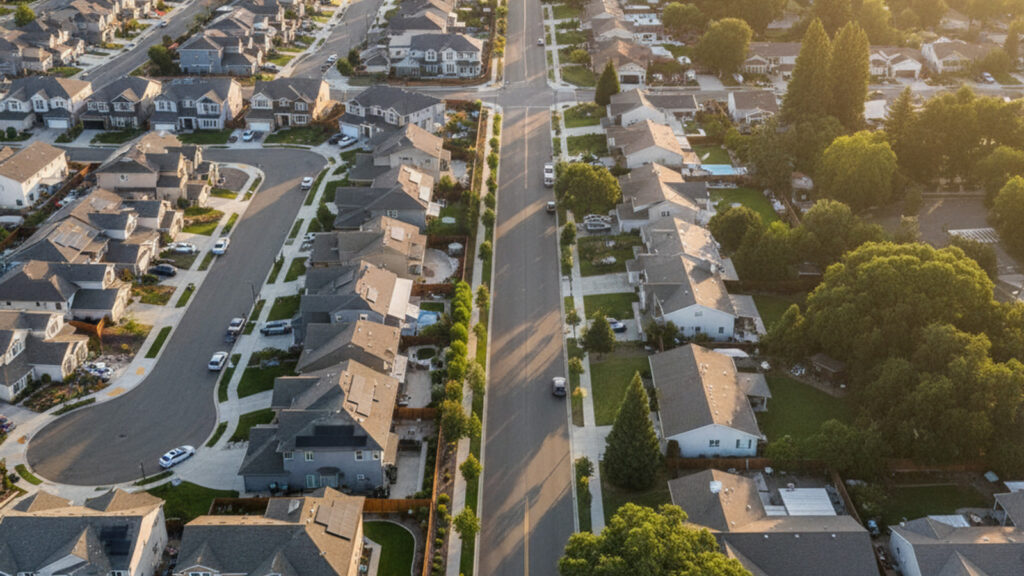
Aerial view of suburban neighborhood street

Who is the Best Realtor in Roseville, CA? Heather Ostrom

Choosing the best realtor in Roseville, CA really comes down to finding the right fit for how you like to make decisions. Some people want straight talk on pricing and repairs. Others care most about marketing, or about not feeling rushed. For many Roseville and Rocklin buyers and sellers, Steve & Heather Ostrom fit that “best” box because they stay local, stay practical, and stay in close contact from the first call to the closing table. They act as hands-on listing and buyer’s agents, laying out clear options, likely outcomes, and timing so you can move at a pace that feels right and still stay competitive in the current real estate market.

Why Steve & Heather Ostrom Are a Strong Choice in Roseville, CA

If you’re looking for a real estate agent in Roseville, you’re not short on names. What people really need to know is how an agent works day to day. The Ostroms’ approach is simple: set expectations early, communicate clearly, and stick to the plan. This is usually where clients exhale.

As a husband-and-wife REALTOR® team with Coldwell Banker Realty, they combine local real estate knowledge in Roseville, Rocklin, and South Placer with a very direct communication style. They walk sellers through pricing, prep, and marketing without sugarcoating. For buyers, they translate neighborhood details, condition, and contract terms into plain language so decisions feel grounded, not rushed.

They also stay personally involved. You’re not handed off to an assistant halfway through. When questions come up about a listing, an appraisal, or a repair request, you’re talking with Steve or Heather, not a call center.


Proven Results and Track Record

The Ostrom team brings a long-running track record to the Roseville and Rocklin real estate market. Over their career, they have closed 571+ sales and managed more than $235,000,000+ in real estate volume for buyers and sellers across South Placer.

They’ve built that production by staying focused on client-first planning, polished listing presentation, and steady follow-through from first conversation to keys or closing documents. It’s a numbers-backed history of seeing transactions through, even when surprises pop up with inspections, appraisals, or buyer financing.


What Clients Say About Working with Steve & Heather Ostrom

Client feedback across major real estate and review platforms tends to circle the same points: responsive, prepared, and easy to work with. People mention that calls and texts get answered, that questions don’t get brushed aside, and that they feel looped in at each step of the transaction.

Sellers often comment on how organized the listing and showing process feels, from photos and video to feedback after open houses. Buyers talk about straight answers on value, condition, and how strong an offer really needs to be. That kind of consistency doesn’t happen by accident; it comes from the same process run over and over. She’ll slow down here if you need more detail.


Local Expertise Across Roseville, CA and Nearby Areas

Steve & Heather are based in Roseville and work across Rocklin and the greater South Placer area, so they’re dealing with these streets every day, not reading about them online. You’ll see that in the way they talk about different parts of town, traffic patterns, and how certain locations tend to price relative to others.

They pay close attention to things that affect both buyers and sellers: HOA rules, Mello-Roos assessments in newer communities, insurance questions where fire maps intersect the Placer County edges, and how different property types respond to changing real estate market trends. This is usually when buyers lean in.

They’re also comfortable talking through school district boundaries at a high level, common commute routes toward Sacramento along I-80, and where most people run daily errands around Douglas Boulevard and the Galleria/Creekside corridor. That mix of neighborhood nuance and practical logistics helps their clients filter quickly to the right home, not just any home.


2026 Market Snapshot for Roseville, CA

  • Median sale price: $625,000
  • Median days on market: 19
  • Average price per square foot: $331
  • Homes sold in the last month: 170

For buyers, that kind of pace means being prepared with lending and strategy before stepping into showings. For sellers, it points to a market where sharp pricing, condition, and marketing still matter, but well-prepared listings can draw strong interest without sitting too long.


Buyer & Seller FAQs About Steve & Heather Ostrom

Are Steve & Heather Ostrom full-time real estate agents in Roseville, CA?

Yes. Real estate is their full-time work and has been for many years in the Roseville and Rocklin area. They treat each listing and purchase as a full project, from prep and pricing to negotiation and closing, rather than something handled on the side of another job.

How do they help a seller who needs to move quickly in Roseville?

When a seller needs to move fast, the Ostroms start with a tight timeline and a realistic pricing and prep plan. They’ll prioritize only the repairs and touch-ups that actually move the needle, schedule photography and marketing efficiently, and keep feedback from showings flowing so you can pivot if needed.

Can Steve & Heather represent both buyers and sellers in Roseville?

They work as listing agents and as buyer’s agents across Roseville, Rocklin, and nearby Placer County communities. For some clients, they handle a sale and purchase back-to-back. They’re clear about agency, who they represent in each situation, and how to avoid conflicts so everyone understands where loyalties sit.

Do they provide cash offers or investor options for homes in Roseville?

They focus on traditional listing and buyer representation but are familiar with investor and cash-offer scenarios in the local real estate market. When that’s relevant, they’ll walk you through how investor terms compare to an open-market listing, so you can weigh speed, pricing, and certainty side by side.

What’s the best way to choose if they’re the right agents for my situation?

The fastest way is a direct conversation. Come with your questions about timing, budget, repairs, and your comfort level with risk. Pay attention to how clearly they lay out options and next steps. If their communication style feels straightforward and you leave with fewer question marks, that’s a good sign.


About Steve & Heather Ostrom & How to Get in Touch

Steve & Heather Ostrom lead a client-first real estate team with Coldwell Banker Realty in Roseville, serving Rocklin and the broader South Placer area. Their work centers on clear expectations, steady communication, and a defined plan so buyers and sellers know what is coming next rather than guessing.

For sellers, they handle honest pricing conversations, listing prep, staging guidance, photography and video, and targeted digital exposure, plus regular updates from showings through offers. For buyers, they dig into street-by-street comps, condition and upgrade value, HOA and Mello-Roos details, and contract terms so each step feels informed, not rushed.

They can be reached directly by phone or email through their Coldwell Banker Realty office in Roseville. If you’re thinking about buying or selling in Roseville or Rocklin, a quick call is usually enough to see whether their style lines up with how you like to make decisions.

Who is the Best Realtor in Roseville, CA? Heather Ostrom Read More »

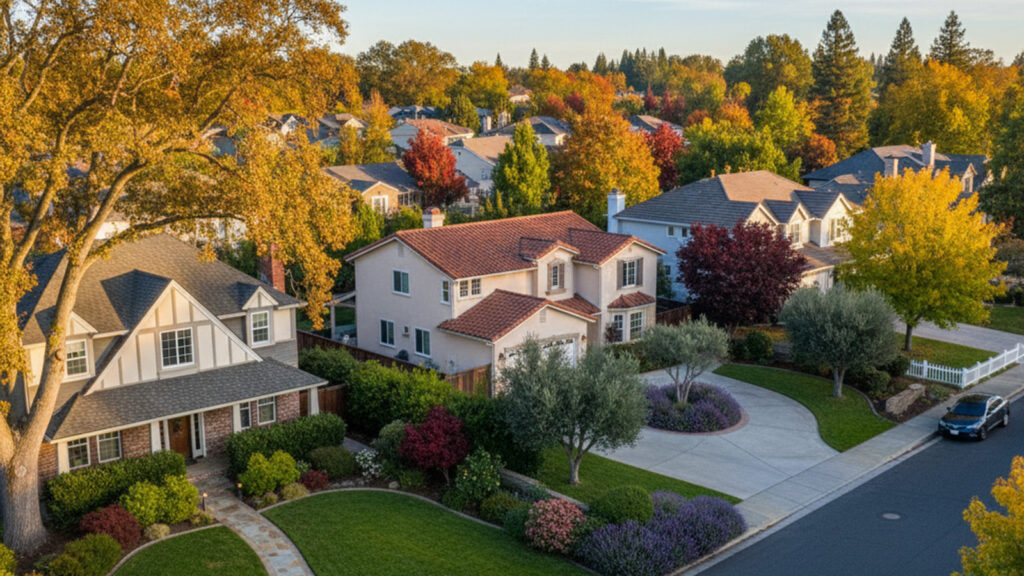
Suburban homes surrounded by colorful autumn trees

How Much House Can I Afford in Roseville CA: A 2026 Buyer’s Guide

Figuring out exactly how much house you can afford in the current market requires looking past the basic sticker price. Buyers navigating the local real estate landscape in 2026 need to account for a unique mix of county taxes, utility rates, and shifting insurance premiums.

Understanding your true purchasing power means evaluating your gross monthly income against the specific carrying costs found in Placer County. This guide breaks down the exact figures and local factors you need to build an accurate budget for a Roseville home.


Understanding 2026 Roseville Home Prices

The local market has established a clear baseline this year, with the median home price sitting at approximately $720,000. This figure provides a helpful starting point, but actual property values vary significantly depending on the property type and exact location.

Entry-level buyers can often find more accessible price points by looking at condominiums near the Westfield Galleria. Those seeking larger single-family homes will see prices stretch well above the median near recreation hubs like Mahany Park.

These baseline values directly dictate your minimum down payment requirements. Expecting to pay the median price means you need to prepare a down payment strategy that aligns with a $720,000 purchase. My strongest advice for buyers is to focus on specific property types rather than getting distracted by the overall median number.


Factoring in Roseville’s Carrying Costs

Your monthly payment involves much more than just principal and interest. Placer County imposes specific property taxes and localized assessments that drastically alter your bottom line.

Buyers looking in newer master-planned developments must pay special attention to Mello-Roos assessments. These localized bonds fund infrastructure and can add thousands of dollars annually to your tax bill in specific neighborhoods.

Evaluating your budget requires a realistic look at these ongoing monthly and annual expenses. Here is a breakdown of the typical carrying costs you will encounter in the area:

  • Property Taxes: The effective property tax rate in Placer County ranges from 1.07% to 1.30%, not including potential Mello-Roos fees in areas like Fiddyment Farm or Westpark.
  • Utilities: Residents benefit heavily from Roseville Electric, which averages just $154 per month – a massive savings compared to neighboring utility providers.
  • Homeowners Insurance: Average California home insurance policies currently range from $1,335 to $1,674 per year, though exact premiums depend heavily on geographic fire zones.
  • HOA Fees: Master-planned communities carry monthly dues, ranging from roughly $50 to $150 in Westpark up to $225 in Sun City.

The undeniable advantage of buying here is the local utility structure. Capitalizing on Roseville Electric rates gives buyers hundreds of dollars in monthly budget flexibility that they simply do not get in surrounding cities.


How Location Features Impact Property Values

Proximity to major transit routes plays a massive role in local property valuation. Homes offering quick access to Highway 65 and Interstate 80 command higher prices due to the reduced commute times.

Distance to major regional employers also shapes neighborhood demand and pricing structures. Properties located within a short drive of the Hewlett Packard Enterprise campus consistently see higher baseline values and sustained buyer interest.

Zoning boundaries for the Roseville Joint Union High School District act as another major pricing factor. Homes falling within specific school boundaries retain their value and often trigger bidding competition. Buyers should prioritize the location features that actually impact their daily routine, rather than paying a premium for highway access they rarely use.


Calculating Your True Buying Power

Lenders determine your maximum loan amount by evaluating your debt-to-income ratio against your gross monthly income. Most underwriters want to see your total monthly debt payments stay below 36% to 43% of your pre-tax income.

The type of mortgage you select will dictate how much cash you need upfront. FHA loans offer lower barriers to entry with smaller down payment requirements, while conventional loans often provide better long-term interest rates for those with strong credit.

Using a local mortgage calculator is the best way to estimate your complete payment breakdown. My advice is to keep your target housing payment well below your maximum approval limit to ensure you maintain a comfortable financial cushion.


Frequently Asked Questions

Are there homebuying assistance programs in Roseville, CA?

Local buyers have access to several programs designed to help with affordability and upfront costs. The California Housing Finance Agency provides state-level down payment assistance for qualified applicants. Buyers should also explore the City of Roseville Affordable Purchase program, which periodically offers localized support for first-time buyers.

How much are closing costs on a $500,000 house in Roseville?

Closing costs typically range from 2% to 5% of the total purchase price. For a $500,000 home, you should expect to pay approximately $10,000 to $25,000 in closing fees. These funds cover appraisal fees, title insurance, loan origination, and prepaid property taxes.

How Much House Can I Afford in Roseville CA: A 2026 Buyer’s Guide Read More »

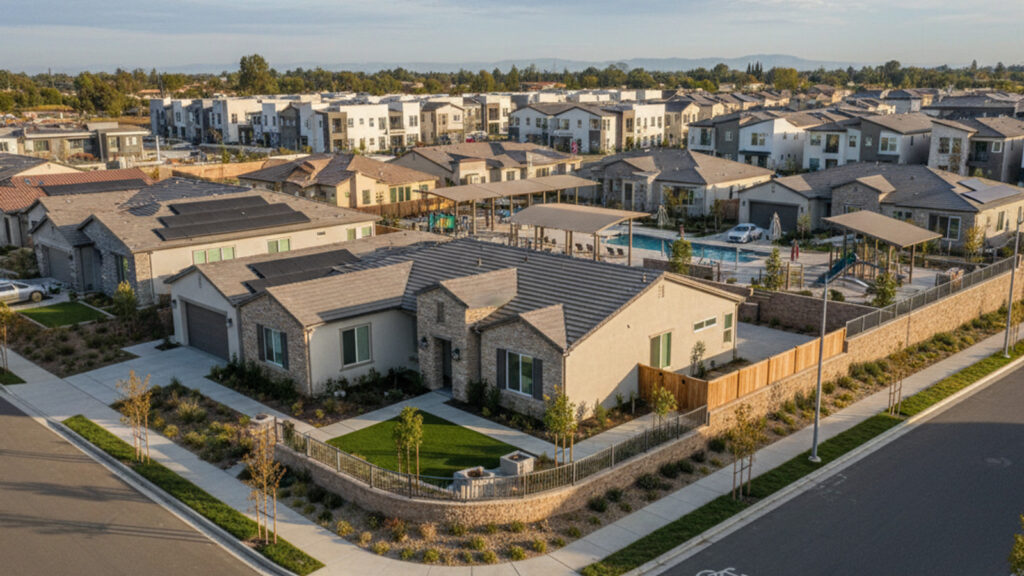
Aerial view of suburban homes and yards

Budgeting for Buyer Closing Costs in Roseville CA in 2026

Purchasing a property in Placer County requires careful financial planning that extends well beyond saving for the initial down payment. As the 2026 real estate market continues to evolve, understanding the exact out-of-pocket expenses required at the closing table is crucial for executing a smooth transaction. Many purchasers focus entirely on the negotiated purchase price and completely miss the additional administrative fees required to finalize the mortgage loan and legally transfer ownership.

These additional expenses can quickly add up, making a significant impact on the total cash needed to secure your new property. Knowing exactly what to expect helps you avoid last-minute financial stress and ensures you are fully prepared for the final steps of your real estate journey. By reviewing local fee structures, you can confidently navigate the final stages of buying a home in Roseville without encountering unexpected financial hurdles.

Navigating the financial landscape of property acquisition means looking closely at the specific third-party charges required to process your transaction. Whether you are upgrading to a larger property or entering the market as a first time home buyer, understanding these fees protects your investment. A clear grasp of your expected buyer costs ensures you retain enough liquid funds to comfortably settle into your new Placer County property.


What Are Buyer Closing Costs in Roseville, CA?

Buyer closing costs represent the various upfront fees paid to third parties to process the mortgage loan and legally transfer the real estate. These charges are completely separate from your down payment and cover essential services like professional underwriting, property title searches, and mandatory real estate appraisals. In the current 2026 market, buyers should expect these out-of-pocket expenses to range between 2% and 3% of the total purchase price.

Budgeting for these expenses early in the home search process is an absolute necessity for anyone looking to secure a property. Using a reputable closing cost calculator helps you estimate your closing costs right after submitting your initial loan application. Failing to account for these average closing costs can leave buyers scrambling for cash or forced to renegotiate contract terms at the last minute.

Understanding the clear distinction between your down payment and your closing fees clarifies exactly where your money goes during the transaction. Your down payment builds immediate equity in the property, while closing fees simply pay for the administrative and legal work required to make you the official owner. Preparing financially for both categories ensures a seamless transition as you approach your final closing date.

These funds are typically held securely in an escrow account until the transaction is officially recorded with the local county clerk. The escrow officer ensures that all third parties are paid accurately and on time before the physical keys are handed over to the buyer. Having these funds prepared in advance allows you to cover closing costs smoothly without delaying the final legal transfer of ownership.


Breaking Down Typical Closing Costs in Placer County

The specific fees you encounter during a Roseville real estate transaction fall into several distinct categories that cover different aspects of the purchase. Lender charges typically make up a large portion of the total, encompassing origination fees, application fees, and credit report pulls. Buyers also pay for a professional real estate appraisal to confirm the current property value meets the strict requirements of the lender.

Escrow and title fees represent another major component of the final bill, though local customs dictate exactly how these are split. In Placer County, it is customary for the seller to pay for the owner’s title policy, while the buyer covers the lender’s title policy. These administrative fees are generally split equally between the buyer and the seller, keeping the escrow company costs balanced for both parties.

You must also account for government recording fees and prorated property taxes that are finalized at closing. Placer County handles a transfer tax rate of approximately $1.10 per $1,000 of the final sales price. While this specific transfer tax is customarily paid by the seller, understanding the complete local fee structure helps you verify the accuracy of your closing disclosure.

Another commonly overlooked expense is the initial funding of your property tax and homeowner’s insurance escrow accounts. Mortgage lenders require buyers to prepay several months of these recurring costs upfront to protect the financial viability of the asset. This mandatory prepayment ensures that your first property tax bill and annual insurance premium are fully covered when they inevitably come due.


How Mello-Roos and Neighborhoods Impact Your Final Numbers

The specific neighborhood you choose in Roseville plays a massive role in determining both your upfront closing expenses and your ongoing monthly mortgage payment. Established neighborhoods in Central or East Roseville typically feature standard property tax rates without any additional special district assessments. This keeps the prorated taxes due at closing relatively straightforward and makes your long-term budget highly predictable.

In contrast, newer master-planned communities often come with specialized tax structures that significantly alter your financial obligations. Developments near the Westfield Galleria or Mahany Park frequently carry Mello-Roos or Community Facilities District taxes to fund local infrastructure improvements. These additional assessments require larger prorated tax payments at closing and directly increase your long-term monthly housing budget.

Certain subdivisions also impose unique private transfer fees that frequently catch unprepared buyers completely off guard. For instance, purchasing a home in the WestPark community involves a 0.5% private transfer fee applied directly to the final purchase price. Factoring these neighborhood-specific variables into your initial estimates is critical to avoiding unexpected cash requirements on your scheduled closing date.

Buyers must also factor in Homeowner Association dues when purchasing property in these modern master-planned communities. Many local HOAs require an upfront transfer fee and the mandatory prepayment of the first month of dues at the closing table. Reviewing the HOA documentation closely during your contingency period reveals exactly how much extra cash you will need to finalize the purchase.


Sample Closing Cost Calculation for a Roseville Home

Looking at a practical example helps clarify exactly how these standardized percentages translate into actual dollars out of your bank account. For this calculation, we will assume a median Roseville home price of approximately $650,000 in the current real estate market. Applying a standard 2.5% estimate yields roughly $16,250 in total buyer closing costs required to finalize the transaction.

This $16,250 total breaks down into several specialized line items required to secure the property and process the mortgage. You can expect the appraisal fee to run between $500 and $700, while a comprehensive home inspection usually adds another $400 to $600 to your costs upfront. The remainder covers the loan origination fee, the lender’s title policy, and the initial funding of your escrow account for insurance and taxes.

Keep in mind that your exact cash requirement will fluctuate based on your specific mortgage loan program and the precise timing of your closing date. A Federal Housing Administration loan will have different upfront private mortgage insurance requirements than a standard conventional loan product. Reviewing your official closing disclosure closely will provide the exact, finalized numbers for your unique real estate transaction.

You may also encounter an application fee charged by your lender to begin the official underwriting process and lock in your interest rate. Some buyers choose to pay for optional discount points upfront to secure a lower interest rate for the life of the loan. These optional strategies increase your upfront cash requirement but can significantly reduce your ongoing monthly mortgage payment over time.


Frequently Asked Questions About Closing Costs in Roseville

Can a seller pay a buyer’s closing costs in the current Roseville market?

Yes, a seller can contribute to a buyer’s closing expenses through negotiated seller concessions. In the 2026 market, buyers can often negotiate these financial credits depending on the specific property condition and local buyer competition. However, most mortgage programs strictly cap these seller contributions at 3% to 6% of the total property purchase price.

Who usually pays for title insurance in Placer County?

Local custom in Placer County dictates a split approach to handling title insurance policies during a real estate transaction. The seller customarily pays for the owner’s title policy to guarantee a clear title is legally transferred to the new owner. The buyer is then responsible for purchasing the lender’s title policy, which typically costs around $500 to $1,000 depending on the final loan amount.

Does a mortgage loan cover closing costs?

Standard conventional mortgage loans do not allow buyers to roll their closing costs directly into the total loan amount. You must typically pay these administrative fees out of pocket using liquid cash at the closing table. Some specialized programs, like certain VA loans, offer more flexibility, but an average Roseville buyer should plan to have funds readily available.

Budgeting for Buyer Closing Costs in Roseville CA in 2026 Read More »

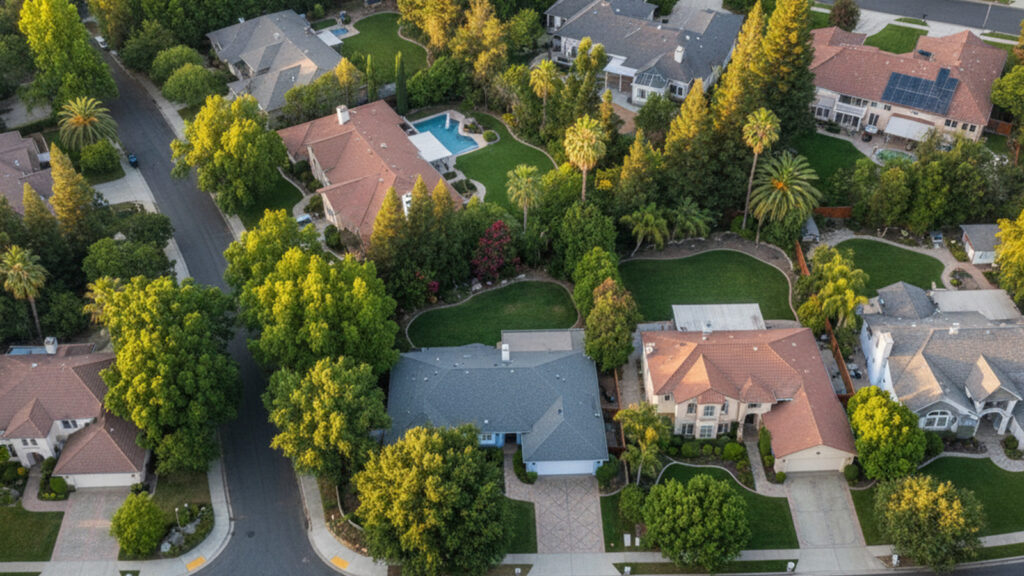
Aerial view of suburban homes and pool

Downsizing in Roseville CA: Navigating the 2026 Real Estate Market

Transitioning to a smaller property requires careful planning and a solid understanding of local market conditions. As of early 2026, the real estate landscape in Placer County offers unique advantages for homeowners ready to trade expansive square footage for a lower-maintenance lifestyle. The process of downsizing in Roseville CA involves more than just packing boxes and hiring a moving company.

Homeowners must navigate competitive pricing, evaluate different property types, and coordinate the logistics of selling a large house while securing a new one. Roseville provides a wealth of housing options, from modern townhomes to accessible single-story layouts. Understanding these local dynamics ensures a smoother transition and helps protect the equity built over years of homeownership.


Current Real Estate Market Trends for Smaller Homes in Roseville

The 2026 Roseville housing market heavily favors sellers of large, traditional properties due to persistently low inventory levels. Homeowners listing their expansive houses can command top dollar, creating a strong financial foundation for their next purchase. This capital is crucial because the demand for smaller, low-maintenance properties in the area remains exceptionally high.

Single-story homes in desirable Roseville neighborhoods currently range from approximately $650,000 to $750,000. Buyers looking for attached housing will find that condos and townhomes average around $500,000. Because these smaller footprints are highly sought after, buyers must act decisively and have their finances fully organized before making an offer.

Selling a large property right now provides significant equity to leverage into a competitive cash offer for a highly desirable Roseville home. Bypassing mortgage contingencies makes an offer stand out in a crowded field of buyers. Cash buyers consistently win bidding wars for the most attractive single-story properties on the market.

Comparing Property Types: Condos, Townhomes, and Single-Story Houses

Many buyers gravitate toward communities with a Homeowners Association because the exterior maintenance and landscaping are entirely covered. Current HOA fees in Roseville for these types of managed communities typically range from $175 to $250 per month. Factoring these monthly dues against the elimination of roof repairs and yard work helps clarify the actual monthly housing budget.

Townhome living offers an excellent middle ground, providing shared amenities without the upkeep of a traditional yard. Standalone single-story homes offer more privacy and independence but still require direct attention to landscaping and exterior maintenance. Weighing the desire for privacy against the convenience of shared maintenance is the most important step in selecting the right property type.


Key Amenities and Location Benefits in Roseville

Beyond the housing stock, Roseville delivers a robust array of local amenities that make transitioning to a smaller property highly appealing. The city features premium shopping and dining hubs, specifically the Westfield Galleria and the Fountains at Roseville. These retail centers provide immediate access to high-end stores, restaurants, and daily conveniences without requiring a long drive into Sacramento.

Outdoor recreation remains a major draw for residents seeking an active, accessible lifestyle. The Miner’s Ravine Trail offers extensive paved paths that are excellent for walking and cycling throughout the year. Roseville offers a perfect balance of suburban tranquility and immediate access to premium retail, meaning a smaller home does not mean a smaller lifestyle.

Healthcare Access and Regional Commute Times

Proximity to top-tier healthcare is a major factor driving demand for real estate in Placer County. Roseville is home to major medical centers, including Sutter Roseville Medical Center and comprehensive Kaiser Permanente facilities. Reliable access to these medical hubs provides peace of mind and fundamentally helps preserve long-term property values in the surrounding neighborhoods.

Regional connectivity is also a strong point for the city, particularly for those who still commute the 18 to 20 miles into the state capital. Driving to downtown Sacramento typically takes 45 to 60 minutes via Interstate 80 or Highway 65 during rush hour traffic. Alternative transit options like the Roseville Transit express commuter routes or Amtrak can cut that travel time down to roughly 25 to 35 minutes.


Logistical Strategies for a Streamlined Move

Executing a physical move into a smaller footprint requires strict organization and a realistic assessment of spatial limitations. Homeowners must sort their furniture carefully, donating unneeded items and measuring pieces to ensure they fit a reduced floor plan. Planning the layout of the new space before packing a single box prevents overcrowded rooms and unnecessary heavy lifting.

Hiring a professional moving company experienced in local relocations within Roseville, Rocklin, or Sacramento is essential for a smooth transition. Attempting a DIY move after living in a large home often costs more in time and stress than hiring reliable local experts. Professional movers have the equipment and manpower to handle heavy furniture safely, protecting both the items and the property.

Timing the sale of a large house with the purchase of a smaller one rarely aligns perfectly on the calendar. Utilizing short-term local storage facilities offers a practical buffer if there is a gap between closing dates. This strategy allows buyers to move their belongings in stages, reducing the pressure of a single, massive moving day.


Frequently Asked Questions

What is the average price of a condo or townhome in Roseville in 2026?

Buyers can expect to pay approximately $500,000 for a condo or townhome in the current Roseville market. These attached properties are highly competitive due to their lower maintenance requirements. Securing one often requires a swift, well-prepared offer.

Are there ongoing monthly fees in Roseville’s low-maintenance communities?

Yes, most low-maintenance neighborhoods require monthly Homeowners Association dues. These fees currently average between $175 and $250 per month in Roseville. The cost typically covers exterior building maintenance, shared amenities, and community landscaping.

How long does it take to commute from Roseville to downtown Sacramento?

Driving from Roseville to downtown Sacramento takes about 45 to 60 minutes during typical rush hour conditions. For a faster alternative, taking the Amtrak train reduces the trip to approximately 25 to 35 minutes. Access to Interstate 80 makes regional travel straightforward for residents.

Downsizing in Roseville CA: Navigating the 2026 Real Estate Market Read More »

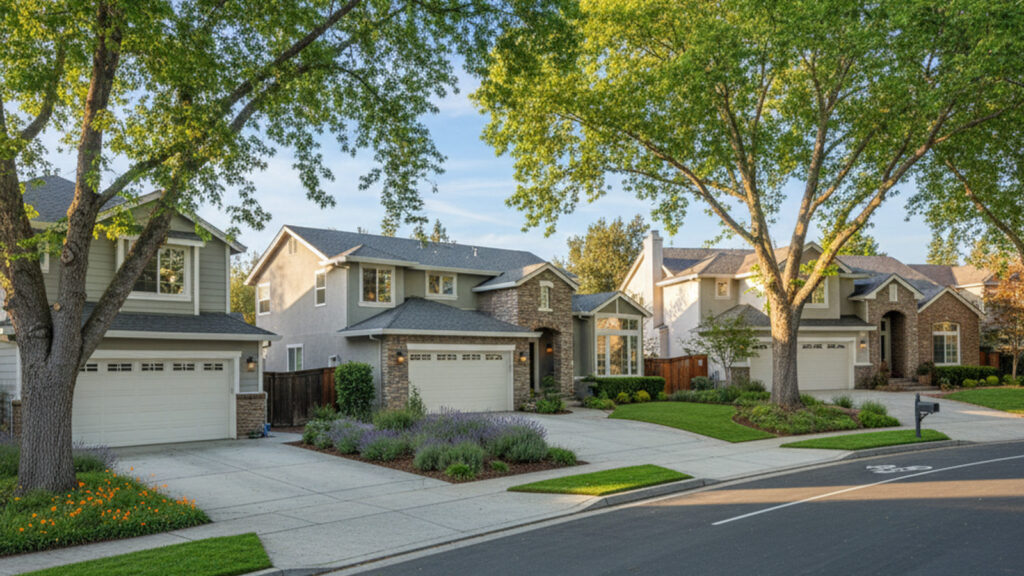
Suburban homes on tree-lined street

Navigating Commute Times From Roseville CA: A 2026 Buyer’s Guide

Buyers evaluating homes in Placer County often weigh the balance between finding the right property and managing their daily travel. Understanding commute times from Roseville CA is a crucial step in making an informed real estate decision. Roseville offers diverse housing options, but its location relative to major employment centers requires a clear look at local transportation networks.

The reality of traveling from this area depends heavily on your specific destination and your preferred mode of transit. Whether you plan to drive down Interstate 80 or take advantage of expanding regional bus routes, knowing the exact distances and typical delays will shape your daily routine. This guide breaks down the realistic travel expectations for 2026 so you can choose a neighborhood that aligns with your lifestyle.

Placer County continues to attract residents seeking a balance of suburban amenities and regional accessibility. Evaluating the local transportation infrastructure is just as important as inspecting the foundation of a house. This overview provides the objective data required to map out your future travel logistics confidently.


Average Drive Times to Regional Employment Hubs

Roseville sits in a strategic geographic position relative to the major job markets of Northern California. The city is located approximately 20 miles northeast of the Sacramento city center. This distance provides a solid physical buffer from the urban core while maintaining direct highway access to major regional employers.

Drive times vary significantly based on your departure time and the specific route you choose. A home located in West Roseville will require a longer initial drive just to reach the highway compared to a property situated in East Roseville near the Interstate 80 corridor. Buyers should always map the drive from a specific property address to get the most accurate picture of their daily travel.

Commuting to Downtown Sacramento

The daily drive to downtown Sacramento is the most common route for local workers. Under ideal conditions with no traffic, this trip typically takes about 25 to 30 minutes from central Roseville. This baseline provides a quick trip for those traveling during the middle of the day or late at night.

Peak commute hours drastically change this expectation for most drivers. During the busy morning window from 7:00 AM to 9:00 AM, and the afternoon rush from 4:00 PM to 6:00 PM, the drive generally stretches to 45 to 60 minutes. It is wise to factor in an additional 15-minute buffer during these peak periods to account for unexpected delays.

Connecting to Folsom and Rancho Cordova

Many residents travel to employment centers in Folsom and Rancho Cordova instead of heading downtown. Reaching Folsom typically involves taking surface streets like Auburn-Folsom Road or utilizing the local highway connections. This cross-county commute is generally smoother than the downtown route and takes roughly 20 to 35 minutes depending on your exact starting zip code.

Traveling south to Rancho Cordova involves navigating US-50 or taking Hazel Avenue directly from Roseville. This route avoids the heaviest Interstate 80 congestion, making it a highly predictable daily drive. Buyers working in these neighboring hubs often find that Roseville offers a highly convenient geographic starting point.


Navigating Interstate 80 and State Route 65

Interstate 80 serves as the primary transportation corridor for westbound travel into Sacramento and beyond. This major artery handles the bulk of the region’s daily traffic, making it a critical focus for anyone buying a home in the area. The flow of vehicles here dictates the rhythm of the morning commute for thousands of local residents.

The interchange where State Route 65 meets Interstate 80 is a widely recognized local pinch point. Traffic frequently slows down in this specific area as vehicles merge from the northern suburbs of Lincoln and Rocklin. Understanding this bottleneck helps drivers plan their morning departures more effectively.

Utilizing the carpool lanes on Interstate 80 can significantly reduce your time spent on the road. These High Occupancy Vehicle lanes require two or more occupants and offer a valuable bypass around standard traffic during peak hours. Relying on mobile applications like Waze or Google Maps is essential for spotting accidents or construction in real-time.

Many buyers specifically look for homes near the Douglas Boulevard or Eureka Road on-ramps to streamline their mornings. Minimizing the time spent on local surface streets makes a noticeable difference in the overall daily travel duration. A five-minute drive to the highway on-ramp is a major selling point for real estate in this area.


Public Transit and Commuter Service Alternatives

The regional transit infrastructure connecting Placer County to the broader Sacramento area has expanded significantly. Public transportation offers a practical alternative for residents who want to avoid the stress of highway driving. Utilizing these networks allows passengers to reclaim their travel time for work, reading, or relaxation.

Proximity to transit stops can directly influence real estate decisions and long-term property values. Buyers who prioritize a seamless commute often focus their property searches on neighborhoods within walking distance of major bus stops or train stations. Evaluating these transit options upfront ensures your new home supports your preferred daily routine.

Roseville Transit Commuter Routes

The city operates specific express bus services dedicated to moving the local workforce into downtown Sacramento. This service runs Monday through Friday during the busiest morning and afternoon hours. Integrating public transit into your routine is highly efficient, especially with the recent addition of electric buses to the fleet.

The commuter service includes several key features designed specifically for passenger convenience and reliability:

  • Average scheduled transit times are optimized to approximately 60 minutes for the full route.
  • Passengers have access to real-time bus tracking through a dedicated mobile app.
  • The express routes utilize dedicated stops to minimize travel delays during peak traffic.

Utilizing these express routes allows riders to avoid the physical strain of navigating stop-and-go highway traffic. Many commuters find that the predictable schedule makes this service vastly superior to driving a personal vehicle.

Placer County Transit Services

The broader Placer County Transit network facilitates movement between Roseville and neighboring cities like Rocklin, Auburn, and Lincoln. This system provides reliable local transportation for those working outside of the immediate downtown Sacramento area. It serves as a vital link for navigating the northern suburbs without a personal vehicle.

This local bus network also offers direct connections to the Sacramento Regional Transit system. Passengers can easily transfer to the SacRT Blue Line light rail stations for extended travel throughout the region. This interconnected web makes it entirely possible to commute across county lines efficiently.

Amtrak Capitol Corridor Train Options

The Amtrak Capitol Corridor station is situated right in historic Roseville, providing a premium regional train service. The 2026 schedule includes 15 weekday round trips, ensuring commuters have flexible departure options. Train travel time from Roseville to the Sacramento Valley Station is a highly predictable 25 to 30 minutes.

Commuters choosing the train enjoy significant comfort amenities onboard. The cars feature free Wi-Fi, spacious seating, and reliable air conditioning throughout the year. This route also serves passengers traveling much further west into the San Francisco Bay Area for specialized work requirements.


Essential Local Amenities for Daily Commuters

The infrastructure supporting the daily commuter lifestyle in Roseville extends well beyond the highways. The city maintains several municipal park-and-ride lots used heavily by carpoolers and transit riders. Notable hubs at Taylor Road, Saugstad Park, and Mahany Park offer strategic staging areas for the morning drive.

Completing daily errands is highly convenient thanks to the proximity of major retail centers like the Westfield Galleria. Commuters can easily stop for groceries, dining, or shopping immediately after exiting the highway on their way home. This concentration of retail infrastructure near major highway exits streamlines daily routines immensely.

Healthcare professionals also benefit from immediate access to the Sutter Roseville Medical Center. The hospital is located directly off the main traffic corridors, making it easily accessible for both employees and patients. Buying a home near these centralized amenities ensures you spend less time driving and more time enjoying your property.

Properties located near these transportation and retail hubs consistently hold strong appeal in the local real estate market. Buyers recognize the inherent value of a location that minimizes daily friction and maximizes convenience. Ultimately, choosing a home with easy access to these amenities transforms a tedious commute into a highly manageable routine.


Frequently Asked Questions

What is the average commute time from Roseville to Sacramento?

The baseline drive time to downtown Sacramento is roughly 25 to 30 minutes without traffic. During the peak morning and afternoon rush hours, the trip generally takes 45 to 60 minutes. Commuters utilizing the express bus service can expect a scheduled transit time of approximately 60 minutes.

What are the public transportation options in Roseville, CA?

Residents have access to multiple public transit networks, including Roseville Transit and Placer County Transit. These bus systems connect local neighborhoods to regional light rail stations and downtown employment centers. The Amtrak Capitol Corridor also provides daily train service directly from the historic downtown station.

Does Roseville Transit offer an app for real-time tracking?

Yes, passengers can utilize a dedicated mobile app to monitor bus locations in real-time. This technology helps riders time their arrivals at the bus stop perfectly to avoid long waits. It also provides immediate updates on any unexpected route delays or construction detours.

How do traffic patterns on Interstate 80 and CA-65 affect morning drives?

Interstate 80 is the primary westbound corridor, and it experiences heavy volume during the 7:00 AM to 9:00 AM window. The interchange where CA-65 merges onto Interstate 80 is a specific bottleneck that regularly slows traffic. Drivers using navigation apps can monitor these specific pinch points to adjust their departure times accordingly.

Navigating Commute Times From Roseville CA: A 2026 Buyer’s Guide Read More »

Aerial view of suburban neighborhood with swimming pools

Navigating the Weather and Climate in Roseville CA: A 2026 Homebuyer’s Guide

When evaluating a move to the Sacramento Valley, understanding the local environment is just as crucial as finding the right floor plan. The weather and climate in Roseville CA directly influence everything from monthly utility bills to the specific architectural features you will want in a home. Buyers often underestimate how distinct the seasonal shifts can be in this part of Placer County.

Relocating here means preparing for a landscape defined by brilliant sunshine and distinct seasonal transitions. Knowing what to expect from the elements allows you to budget accurately for cooling costs and prioritize the right property amenities. This guide breaks down the typical weather patterns and practical climate considerations for the area as of 2026.


Understanding the Mediterranean Climate in Roseville, CA

Roseville operates under a classic Mediterranean climate, which means residents experience hot, dry summers and mild, wet winters. This consistent pattern shapes the entire rhythm of the region, offering approximately 247 sunny days each year. You will not find tropical humidity here, but you will need to prepare for extended stretches of dry heat.

During the peak summer months of July and August, afternoon high temperatures regularly push into the upper 90s. It is common for the thermometer to hover between 94 and 98 degrees during the hottest parts of the day. However, the lack of humidity makes this heat feel less oppressive than similar temperatures in coastal or southern states.

Winter weather patterns bring a sharp contrast, delivering much-needed moisture to the Sierra Nevada foothills. Between November and April, the area receives the vast majority of its 20 to 22 inches of average annual rainfall. During December and January, average low temperatures dip into the upper 30s and low 40s, requiring reliable home heating systems.

One of the most significant advantages for property maintenance is the complete absence of regular winter snow. The valley floor sees zero inches of average annual snowfall, meaning you will never have to shovel a driveway. This predictable, moderate winter climate makes year-round property upkeep much simpler compared to colder regions.


How Local Weather Shapes Popular Home Features

The distinct seasonal swings in Placer County heavily dictate which housing features carry the most value on the local market. Buyers actively seek out specific amenities designed to maximize comfort during the intense summer heat and the steady winter rains. Properties equipped with climate-specific upgrades consistently command higher resale values.

Swimming pools are incredibly prevalent and remain in high demand to help residents navigate the hot summer months. A backyard pool transforms a property into a private retreat when afternoon temperatures peak. Similarly, covered outdoor living spaces – frequently marketed as California rooms – provide essential sun protection and allow for year-round entertaining.

Inside the home, modern and energy-efficient HVAC systems are an absolute necessity rather than a luxury. Whole-house fans are also a standard, highly sought-after cooling supplement in the region. These fans pull cool evening air through the house, drastically reducing the need to run the air conditioning overnight.

Winter weather demands its own set of structural priorities, particularly concerning heavy, concentrated rainfall. Durable roofing materials and properly graded drainage systems are vital to channel water away from the foundation. A home with an upgraded roof and clear, well-maintained gutters will save buyers significant maintenance headaches during the wet season.


Utility Costs and Environmental Considerations for Homeowners

Beyond comfort, the local climate directly impacts the practical financial and environmental aspects of owning a home in the area. Keeping a property cool from June through September requires significant energy usage. Fortunately, Roseville offers a unique structural advantage when it comes to monthly utility bills.

The city operates its own municipal utility, Roseville Electric, which offers highly competitive rates compared to surrounding investor-owned territories. With rates averaging around $0.20 per kilowatt-hour, local electricity is often 30 to 40 percent cheaper than neighboring regional providers. This municipal advantage makes summer cooling significantly more affordable for residents.

Water conservation is another critical environmental consideration driven by the dry summer climate. The city has ongoing mandates aimed at reducing overall water usage by 10 percent by 2030. Homeowners must adhere to local water conservation guidelines, which often dictate specific watering days and times during drought conditions.

To help meet these conservation goals, local rebate programs heavily incentivize water-wise landscaping. Buyers often look for properties that have already utilized these programs to install smart irrigation systems or replace thirsty turf with drought-tolerant plants. Additionally, residents should be aware of late-summer air quality considerations, as regional wildfires in the Sierra Nevada can bring temporary smoke into the valley.


Seasonal Access to Local and Regional Outdoor Amenities

The predictable weather patterns create exceptional opportunities for year-round outdoor recreation. Whether you prefer local paved trails or rugged mountain adventures, the climate supports an active lifestyle. The region serves as a perfect basecamp for accessing varied Northern CA landscapes.

Spring and fall offer the most ideal, moderate weather for exploring the immediate area. These transition seasons provide perfect conditions for hiking or cycling the popular Miner’s Ravine Trail without the burden of extreme heat. When summer arrives, residents quickly shift their focus to water-based activities.

The local climate allows for excellent seasonal variety without typical travel barriers. Residents enjoy distinct recreational options depending on the time of year:

  • Nearby Folsom Lake becomes a primary summer destination, offering expansive waters for boating and paddleboarding.
  • The Sierra Nevada mountains are just a 1.5 to 2-hour drive away, providing world-class winter skiing and snowboarding.
  • The lack of snow on the valley floor ensures uninterrupted access to local parks and golf courses throughout the entire winter.

This geographic positioning means you can easily drive to the snow for a weekend trip while keeping your daily commute entirely ice-free. It is a major selling point for buyers who want access to winter sports without the daily hassle of winter weather.


Frequently Asked Questions About Roseville Weather

Is Roseville considered a desert climate?

No, the area is not a desert, despite the very dry summer months. It is officially classified as a Mediterranean climate, which is characterized by hot, dry summers and mild, wet winters. The region receives roughly 20 to 22 inches of steady rainfall annually, which easily disqualifies it from being a true desert environment.

Is Roseville cooler than Sacramento?

The temperatures in Roseville are generally identical to those in nearby Sacramento, as both sit within the same geographical valley. On any given day, the high and low temperatures will usually be within one or two degrees of each other. Both cities experience the same cooling delta breezes that occasionally blow in from the coast during summer evenings.

What are common natural disasters or weather risks in Roseville?

Extreme heat during the summer is the most consistent weather risk, requiring reliable air conditioning and hydration. Residents also monitor seasonal air quality, as late-summer winds can push smoke from Sierra Nevada wildfires down into the valley. Localized street flooding can occasionally occur during heavy winter rainstorms, making proper property drainage essential.

Navigating the Weather and Climate in Roseville CA: A 2026 Homebuyer’s Guide Read More »