

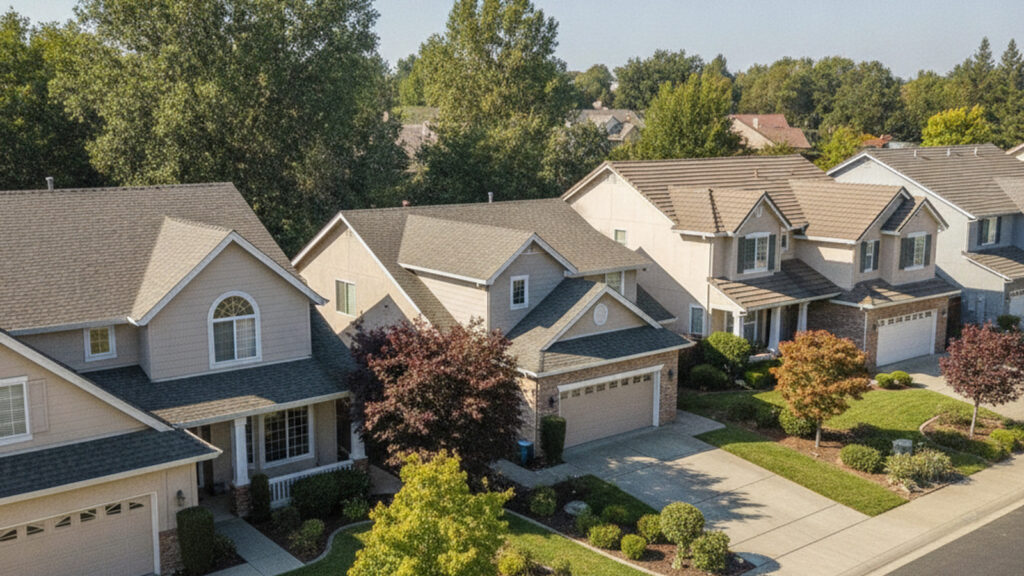
Purchasing a house in Placer County often requires a substantial upfront investment, but local resources can ease that burden. The median home price in Roseville sits well above national averages, making down payments a hurdle for many residents. Fortunately, city, county, and state programs exist to help buyers cover these initial costs.
These programs provide deferred loans and grants to qualified buyers, reducing the cash needed to close. By tapping into local initiatives, you can keep more money in your savings account for unexpected repairs or moving expenses. Exploring these options early gives you a clearer picture of your true purchasing power.
Types of Financial Support Available
Buyers looking in Roseville have access to a mix of city, county, and statewide initiatives. Each program has different funding pools, and availability can fluctuate throughout the year depending on government budgets. Some offer outright grants, while others provide secondary loans that you only repay when you sell the property.
You can often layer multiple programs together to maximize your buying power. A local lender who specializes in these options can help you determine which combination yields the lowest out-of-pocket costs.
Placer County Programs
Placer County administers a First-Time Homebuyer Assistance Program that provides deferred loans to qualified applicants. This program can offer up to $100,000 to help cover the difference between your mortgage and the purchase price.
Buyers must contribute a minimum 1% down payment from their own funds to use this county option. Because these loans are deferred, you do not have to make monthly payments on this secondary balance while you live in the home as your primary residence.
CalHFA and State Initiatives
The California Housing Finance Agency (CalHFA) provides several options that work well for Roseville buyers. Their MyHome Assistance Program offers a deferred loan of up to 3.5% of the purchase price to use toward your down payment or closing costs.
CalHFA programs require you to use one of their approved first mortgage products, such as a CalPLUS conventional or FHA loan. These state-level funds are widely available and can be used for single-family homes or approved condominiums.
GSFA Assist-to-Own
The Golden State Finance Authority (GSFA) offers the Assist-to-Own program, which provides up to 5.5% of the primary loan amount in assistance. This program is open to employees of Placer County and other eligible local workers.
A portion of the GSFA assistance is sometimes offered as a forgivable grant, meaning you will not have to repay it if you stay in the home for a specific number of years. This makes it an attractive option for buyers planning to put down long-term roots in Roseville.
Who Qualifies for These Programs
These programs look at three main factors: household income, household size, and the home’s purchase price. Program administrators use these guidelines to ensure funds go to the residents who need them most. Each program calculates these limits differently, so missing the cutoff for one does not automatically disqualify you from another.
You will need to provide full documentation of your finances during the application process. Underwriters will review your tax returns, pay stubs, and bank statements to verify your income falls within the approved brackets.
Income and Household Size
Most local and state programs cap household income based on the Area Median Income for Placer County. For 2026, these limits adjust depending on how many people will live in the house.
Programs usually count the income of all adults in the household, even if they will not be on the mortgage loan. Your lender will calculate your total household income to determine your eligibility tier.
The First-Time Buyer Rule
Many programs define a first-time buyer as someone who has not owned a primary residence in the past three years. If you owned a home a decade ago but have rented since, you likely qualify for first-time buyer status.
Some programs, like certain GSFA options, do not require you to be a first-time buyer at all. Repeat buyers should still explore assistance options, as funding may be available based purely on income or occupation.
How to Apply, Step by Step
The application process for down payment support starts with your lender, not the county office. You cannot simply find a house and ask for county funds at the last minute. The process requires preparation long before you start touring open houses.
Because funding pools can run dry, buyers should start their applications early. Securing your pre-approval and program eligibility upfront gives you a clear budget and strengthens your eventual offer.
Finding an Approved Lender
Not all mortgage companies can process local or state assistance loans. You must work with a loan officer who is explicitly approved by CalHFA, GSFA, or Placer County to originate these specific products.
An experienced local lender will handle the paperwork required by the program administrators. They will submit your file to the county or state agencies on your behalf and coordinate the funding for closing day.
Completing Homebuyer Education
Nearly all assistance programs require applicants to complete an approved homebuyer education course before closing. These classes cover budgeting, mortgage terms, and the responsibilities of maintaining a property.
You can usually take these courses online for a small fee, and they take a few hours to complete. You will receive a certificate at the end, which your lender must include in your final loan file.
Frequently Asked Questions
Can I use assistance for closing costs?
Yes, most programs allow you to apply the funds toward both the down payment and customary closing costs. This includes appraisal fees, title insurance, and loan origination charges.
Do I have to pay the money back?
It depends on the loan structure. A deferred second mortgage sits quietly on your property title and is repaid from your proceeds when you eventually sell the house. Conversely, forgivable grants act as a true gift, provided you remain in the residence for the required duration.
Can I buy a multi-family home with these programs?
Most local assistance is restricted to single-family homes, townhouses, and approved condominiums. If you plan to buy a duplex or larger multi-family property, you will likely need to rely on standard FHA or conventional financing without county down payment help.