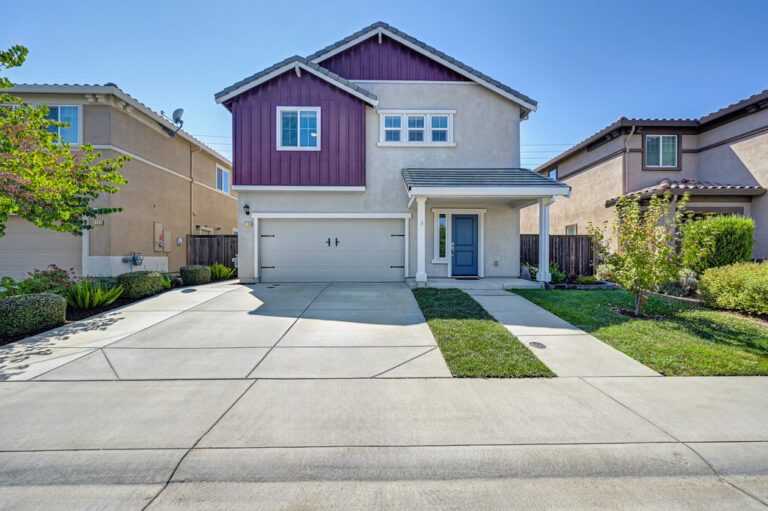
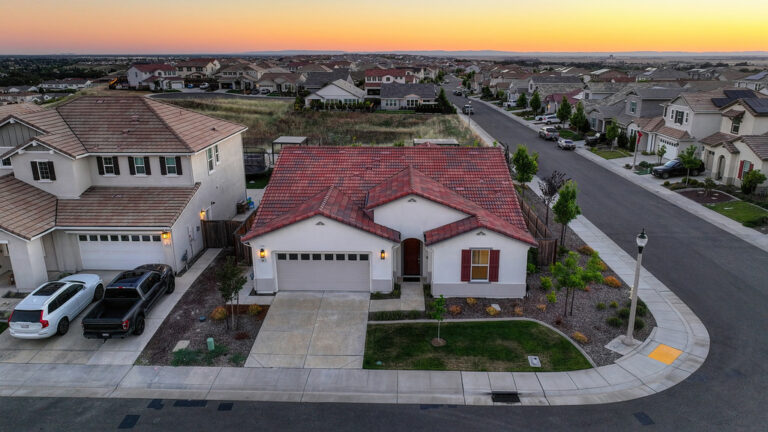
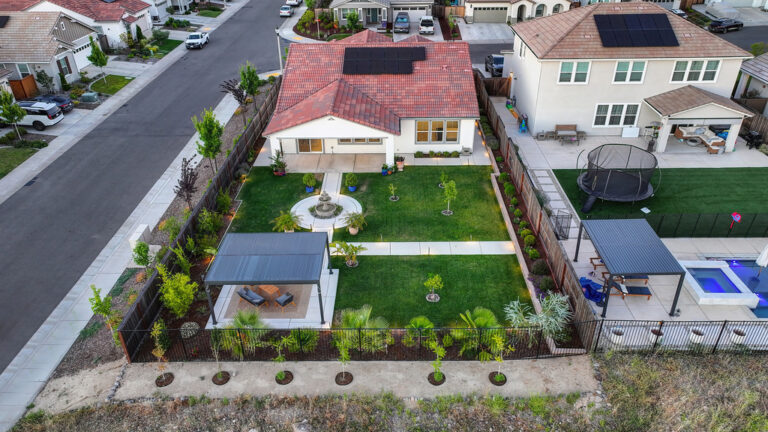
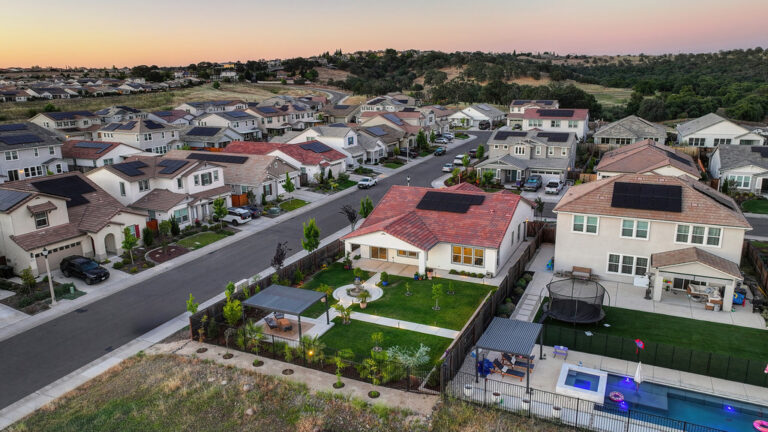
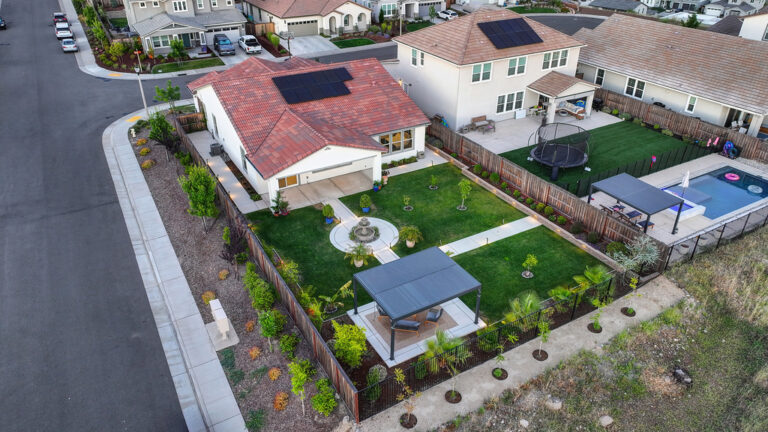
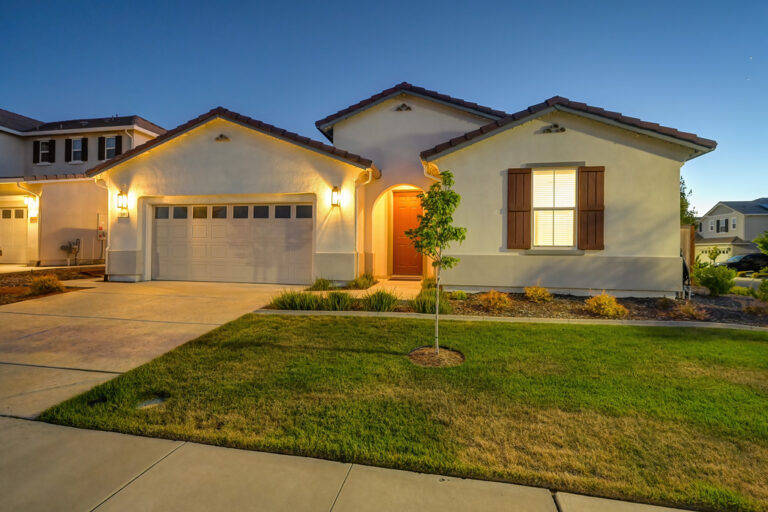
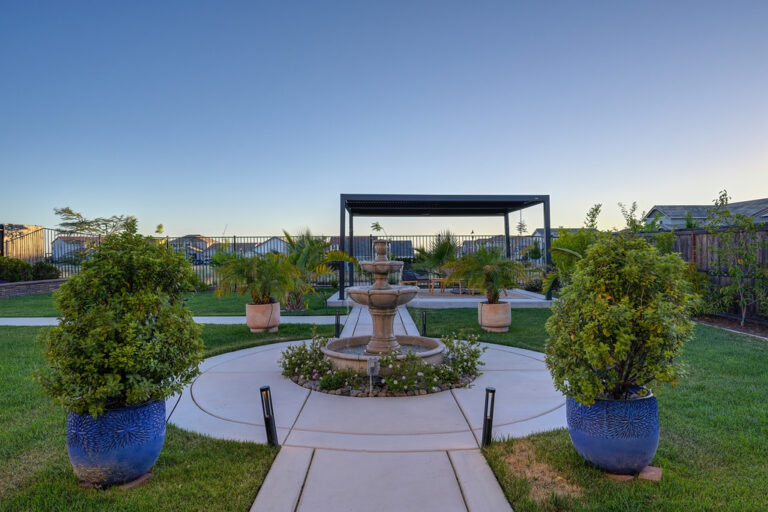
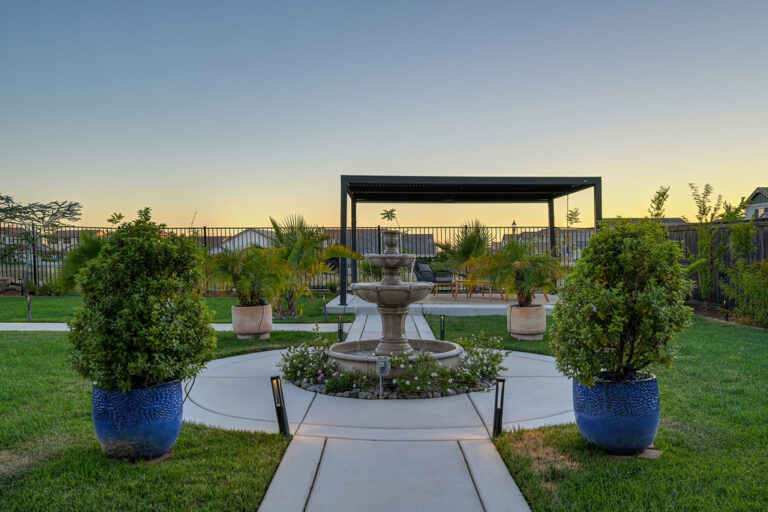
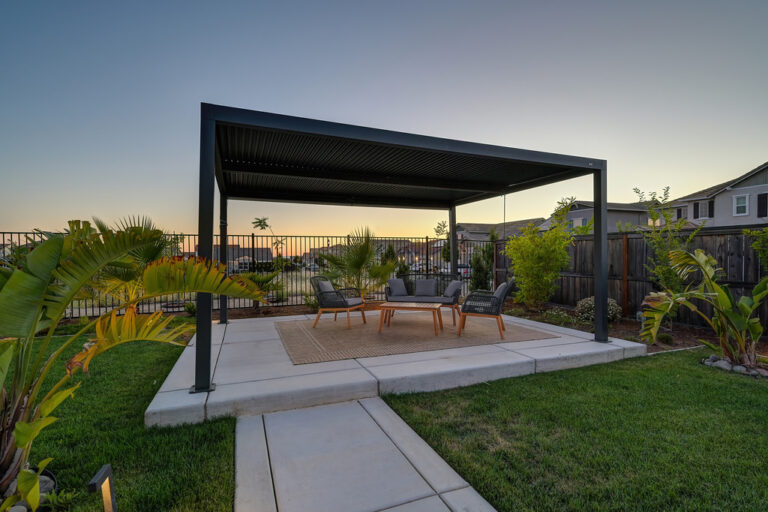
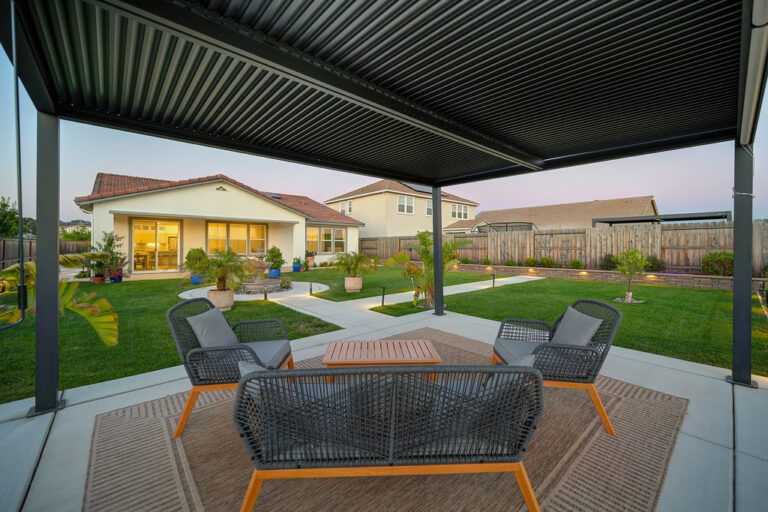
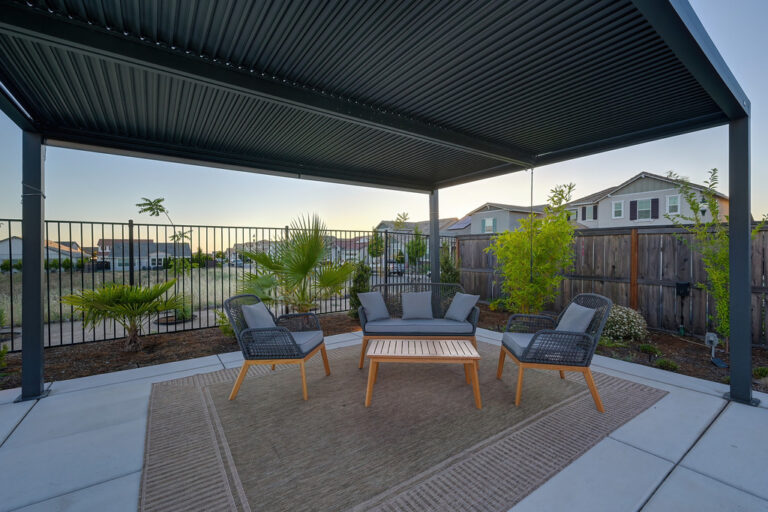
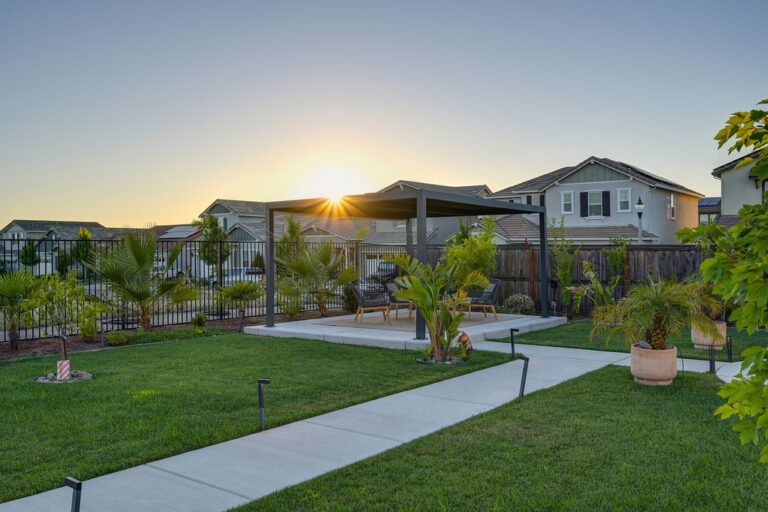
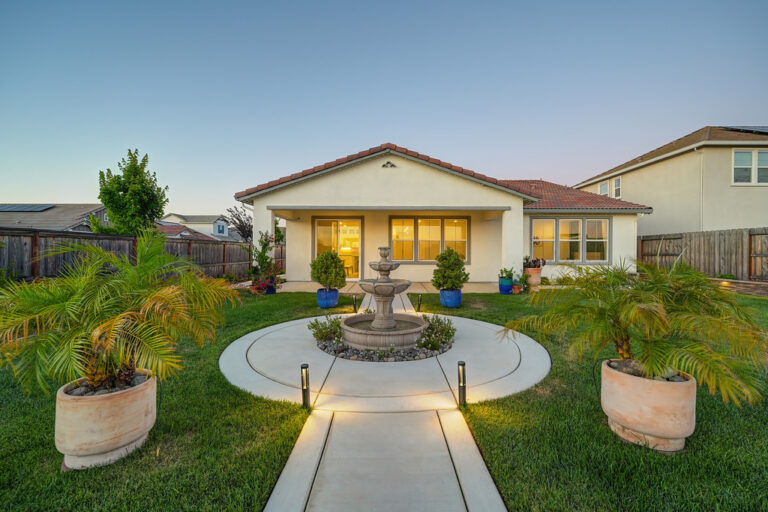
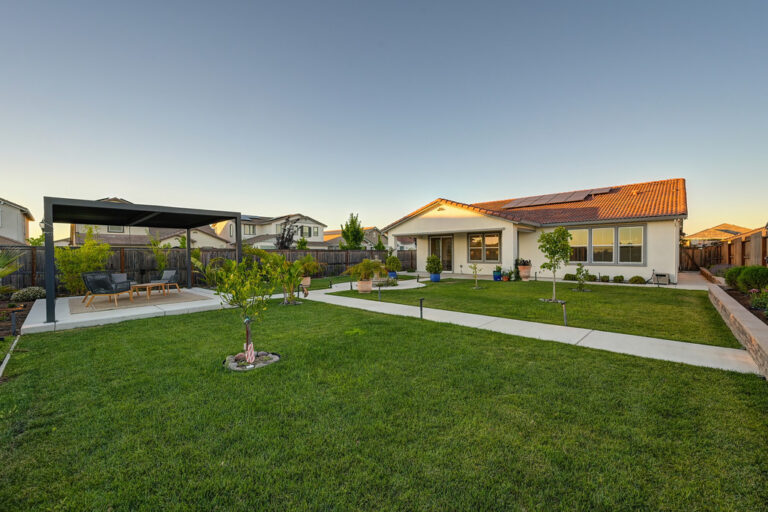
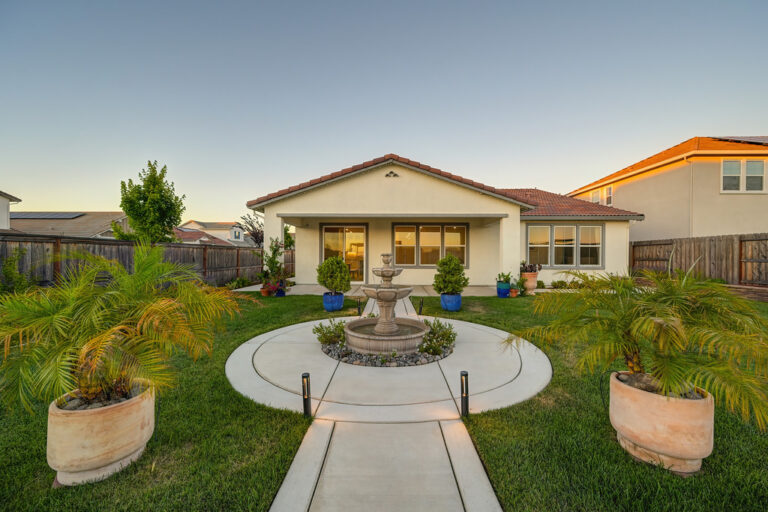
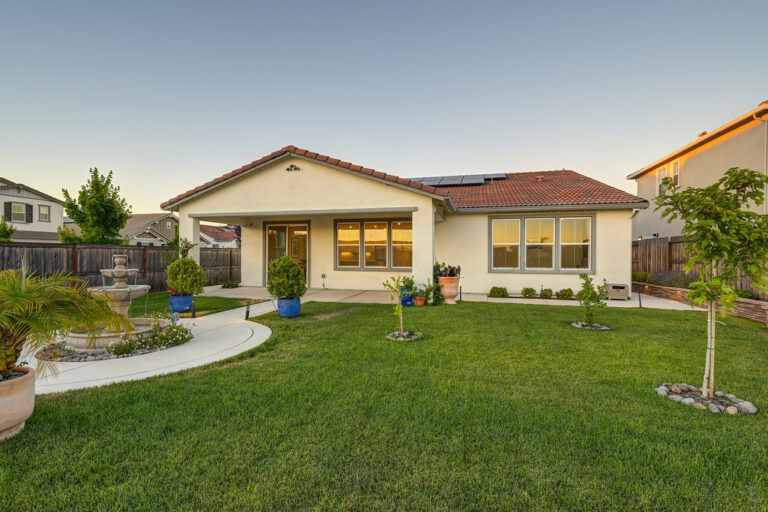
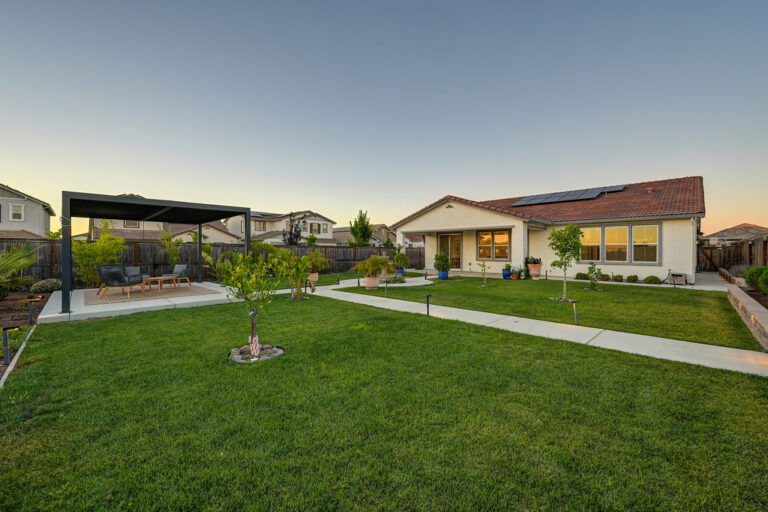
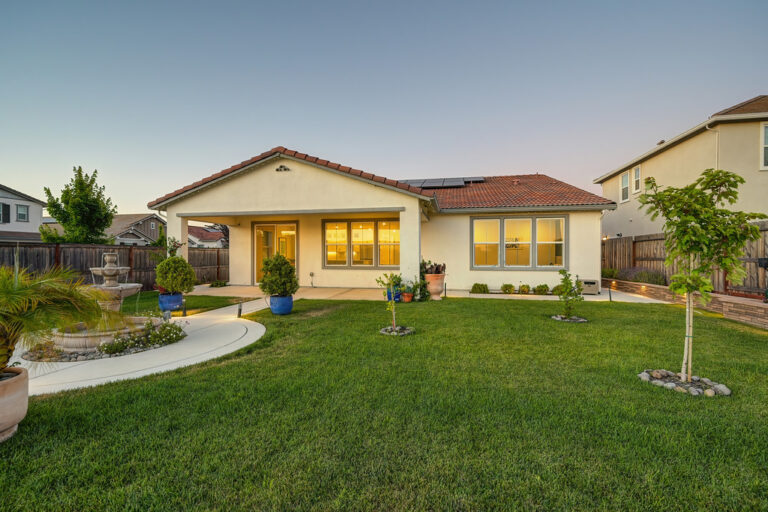
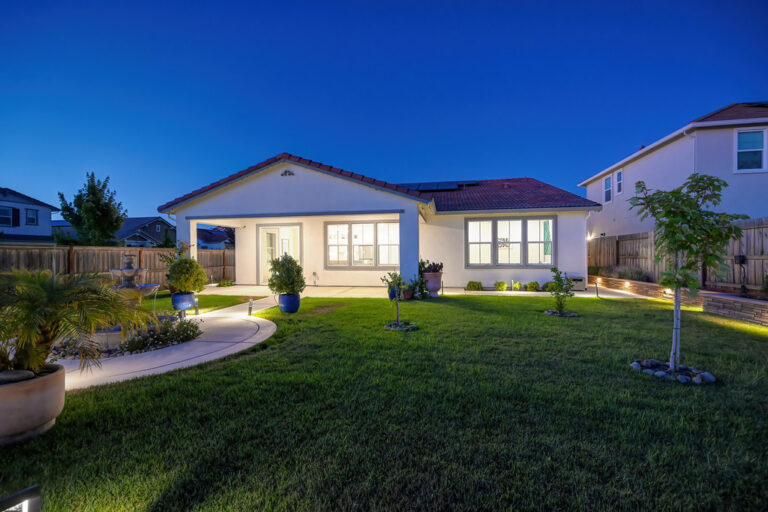
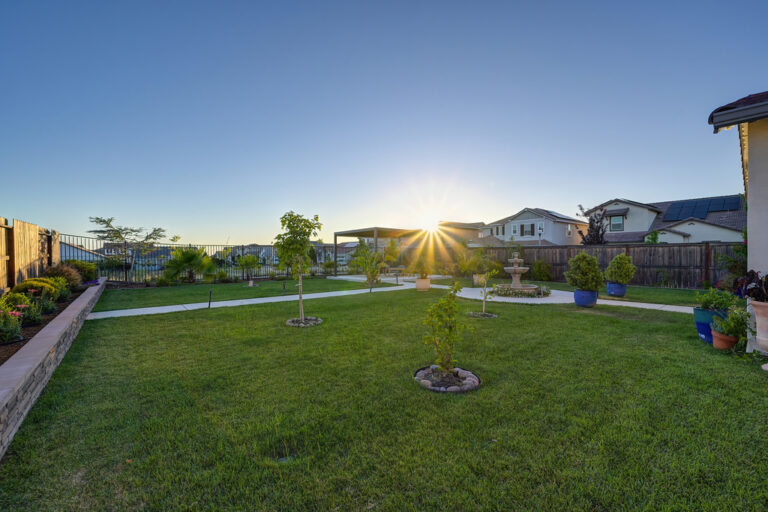
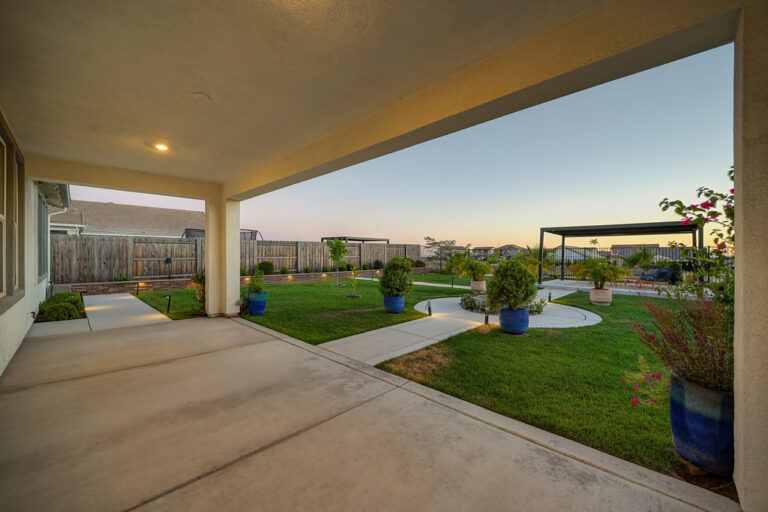
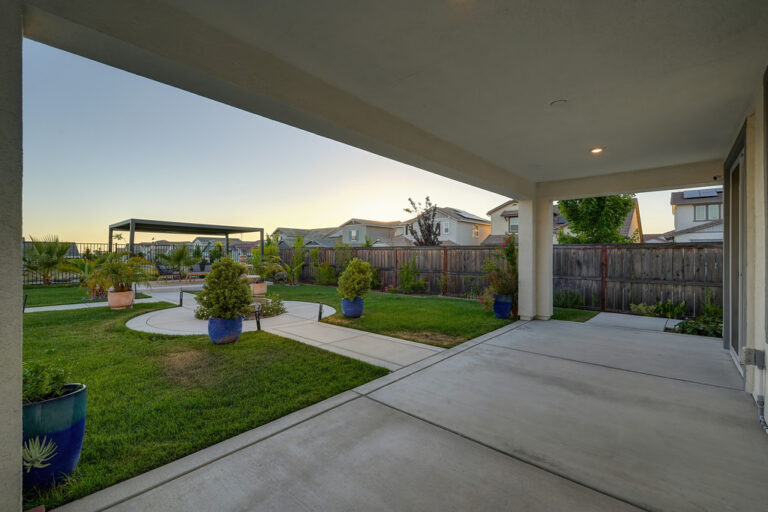
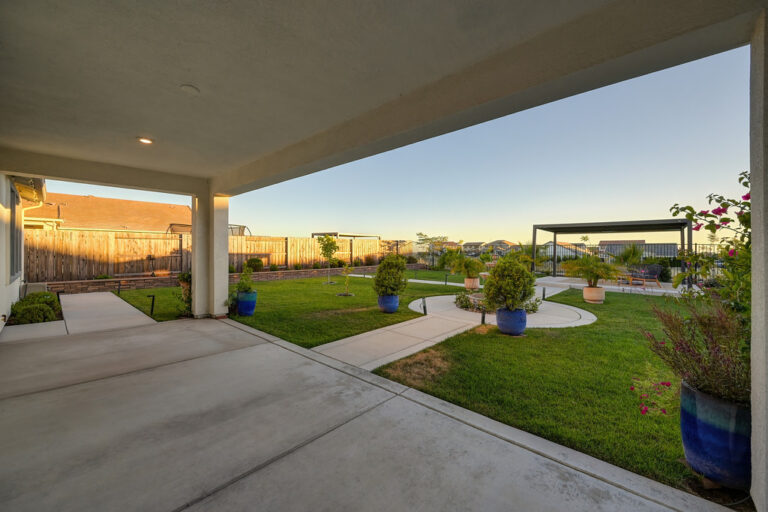
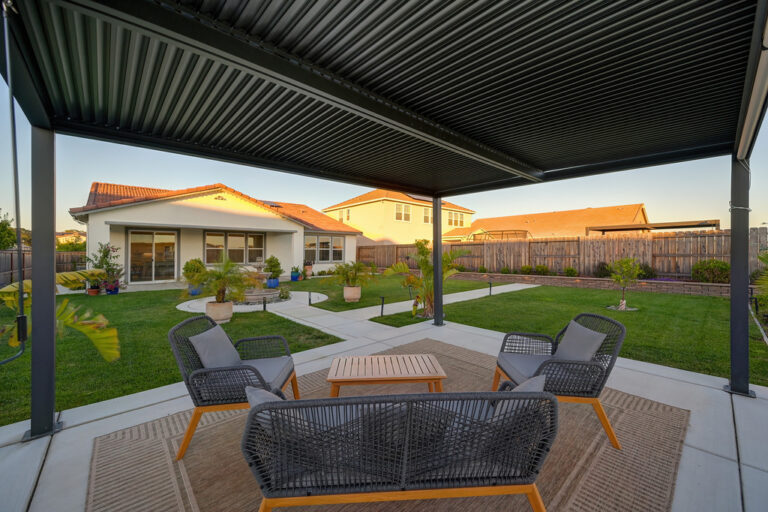
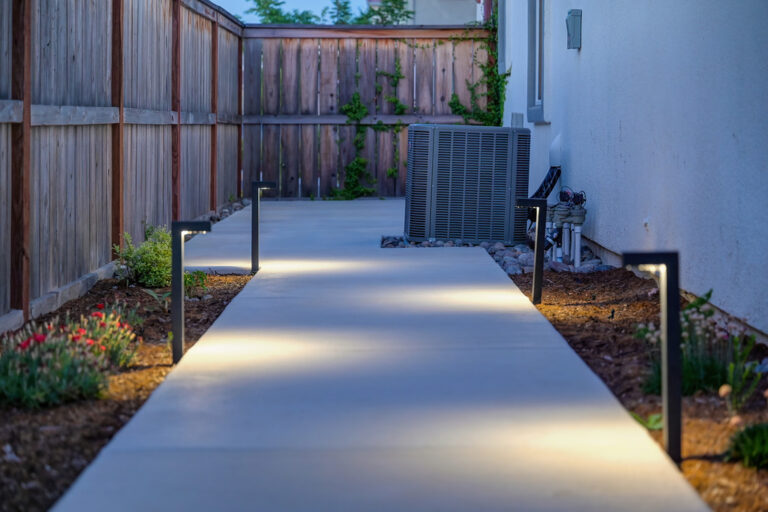
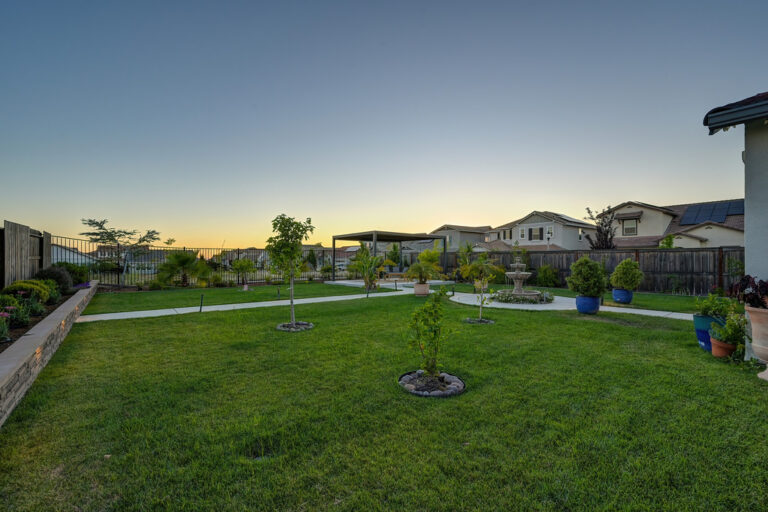
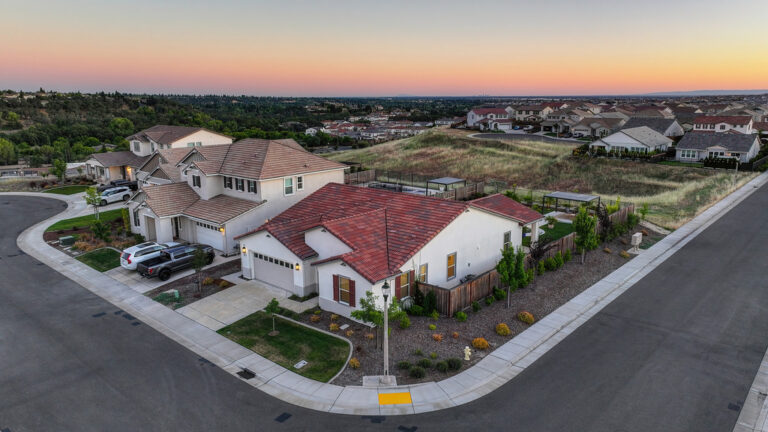
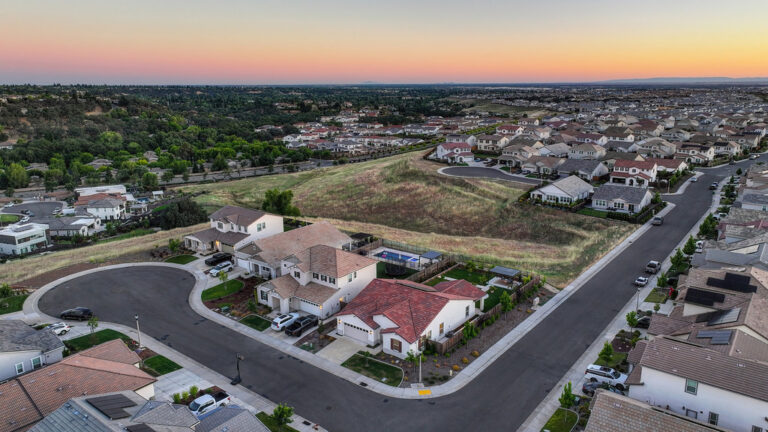
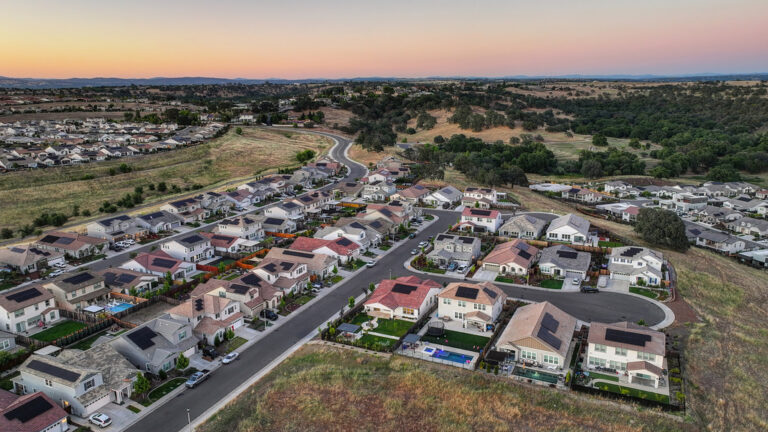
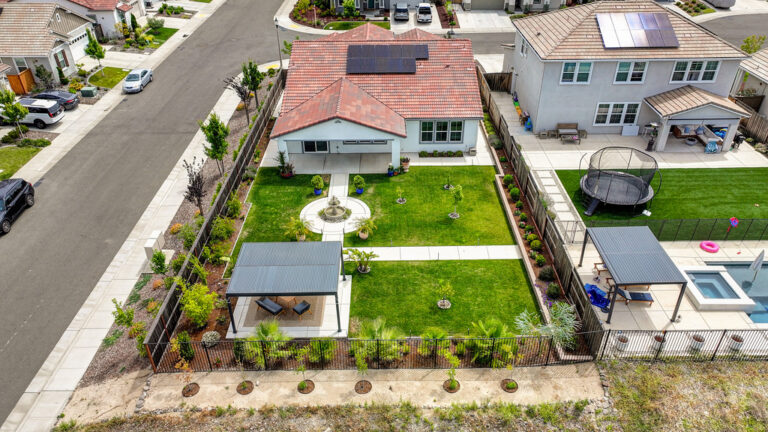
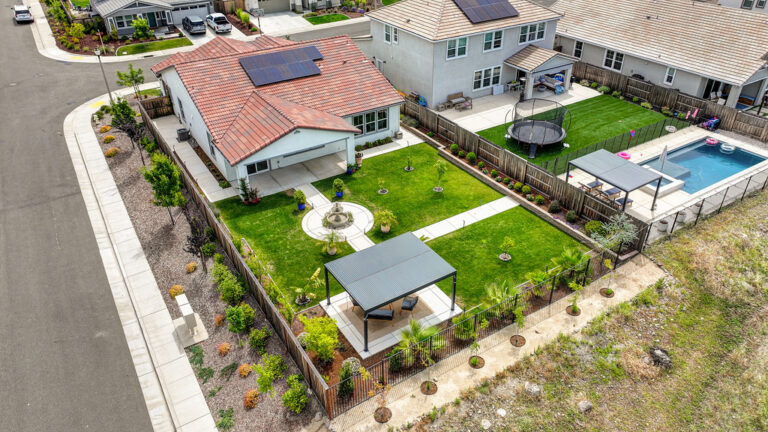
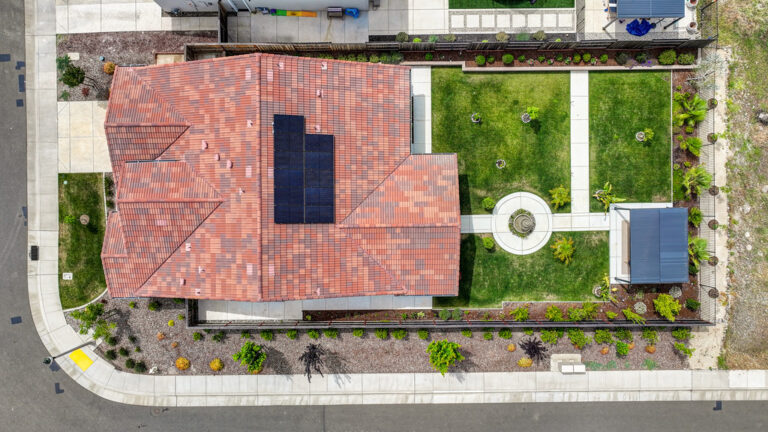
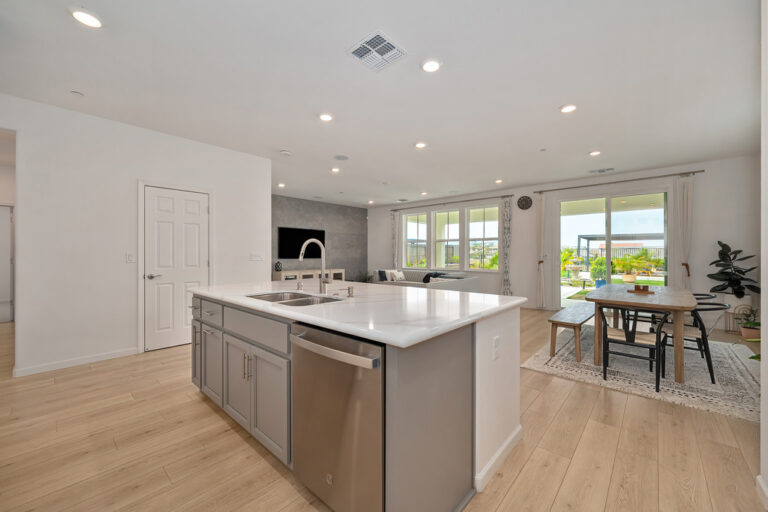
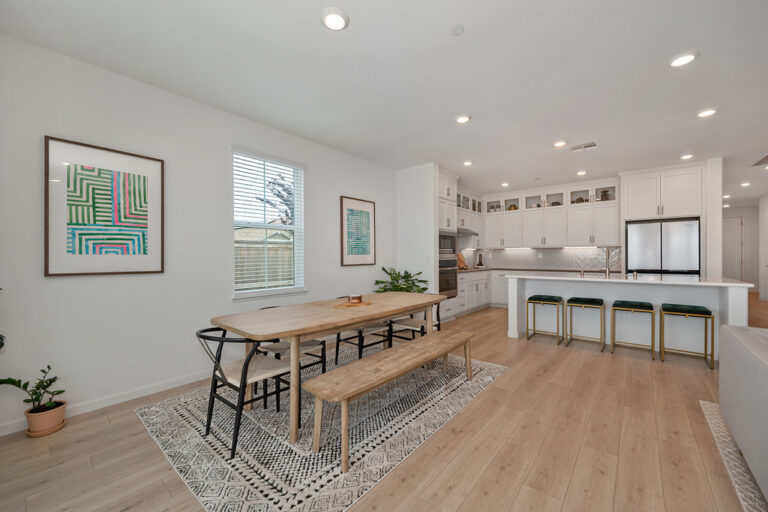
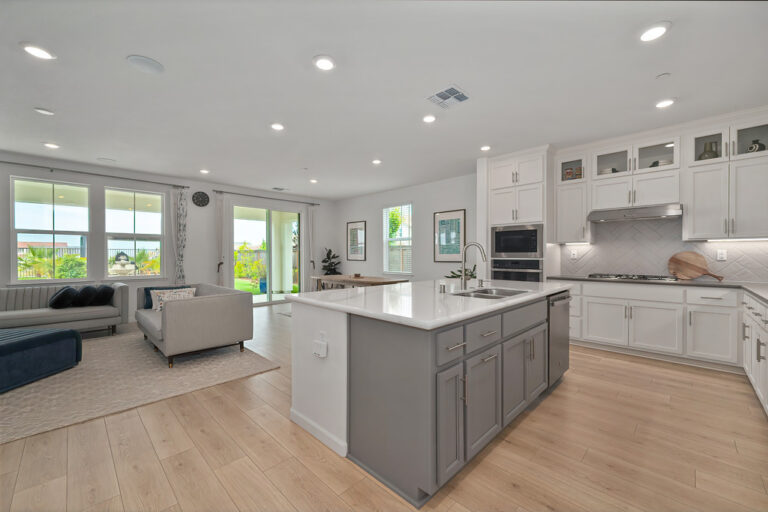
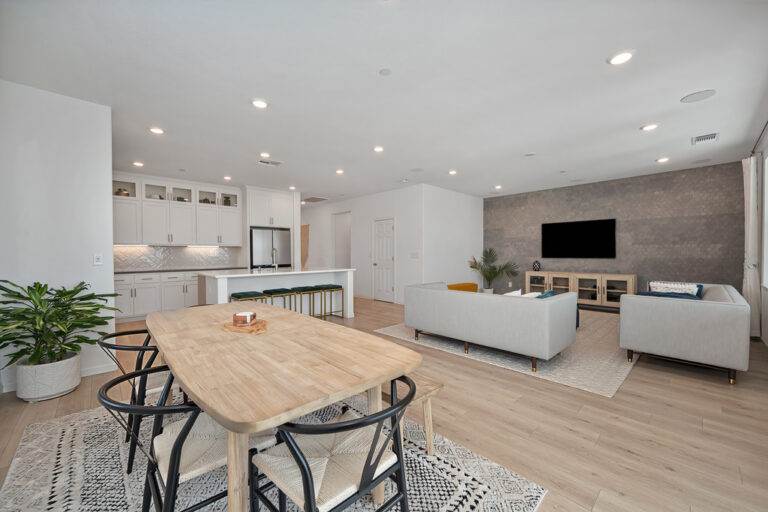
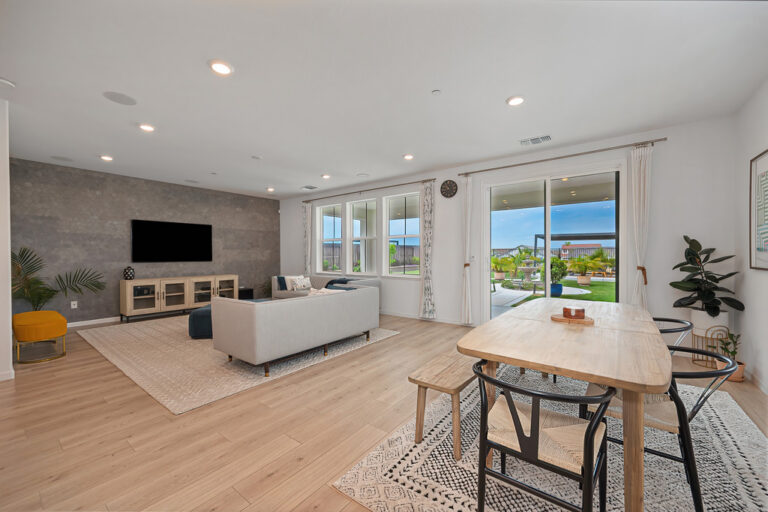
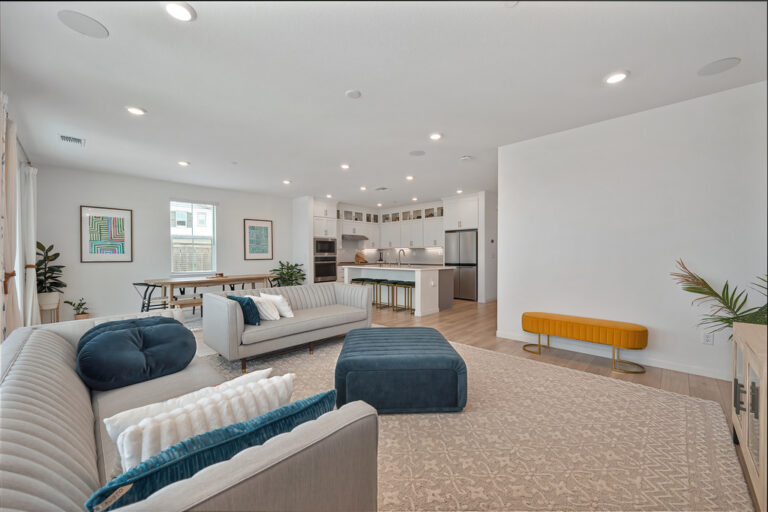
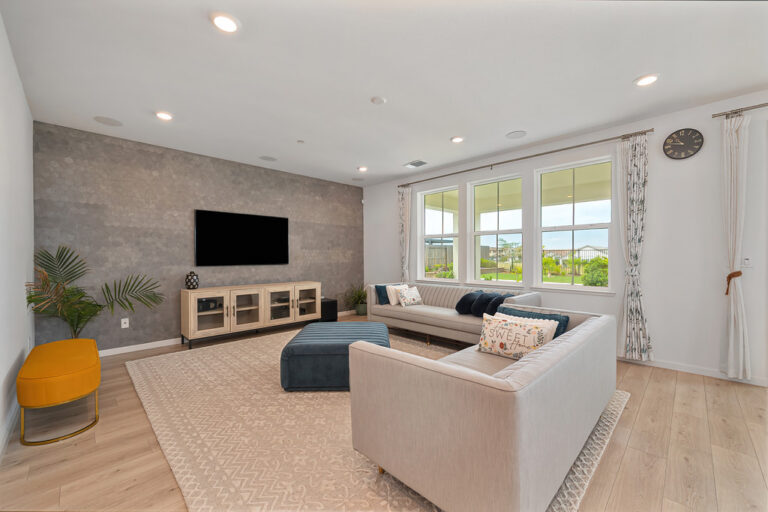
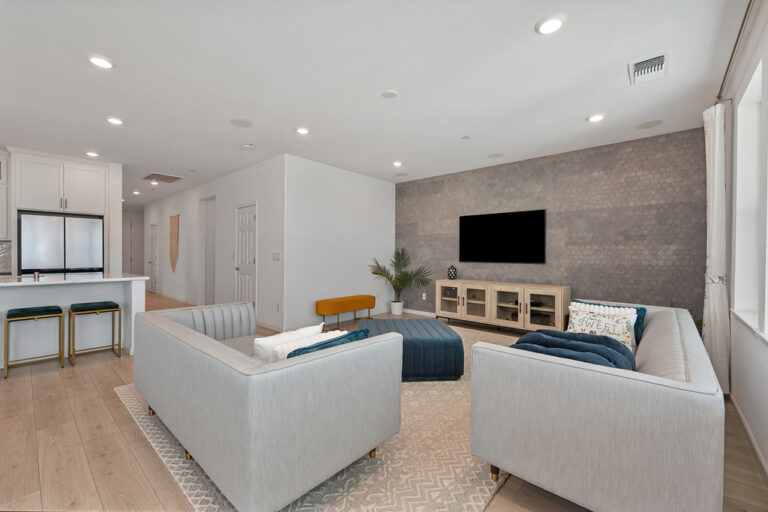
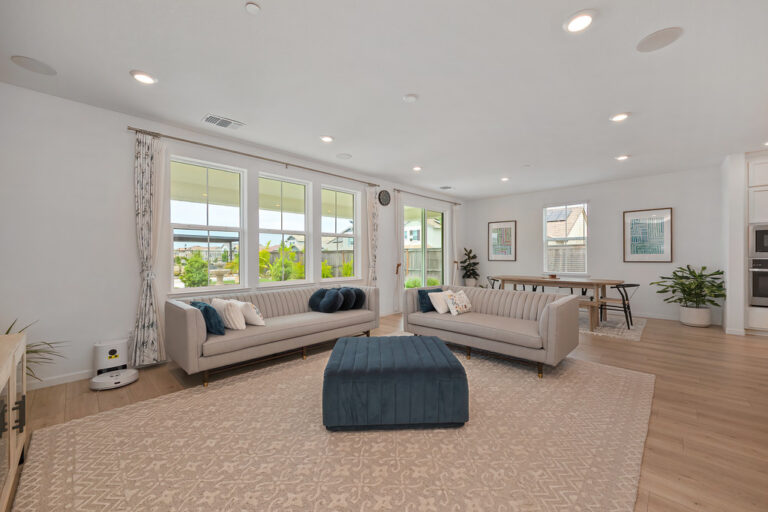
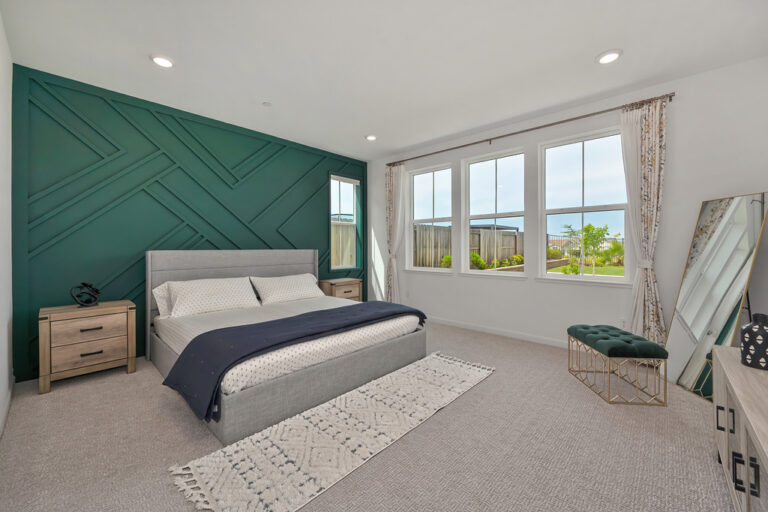
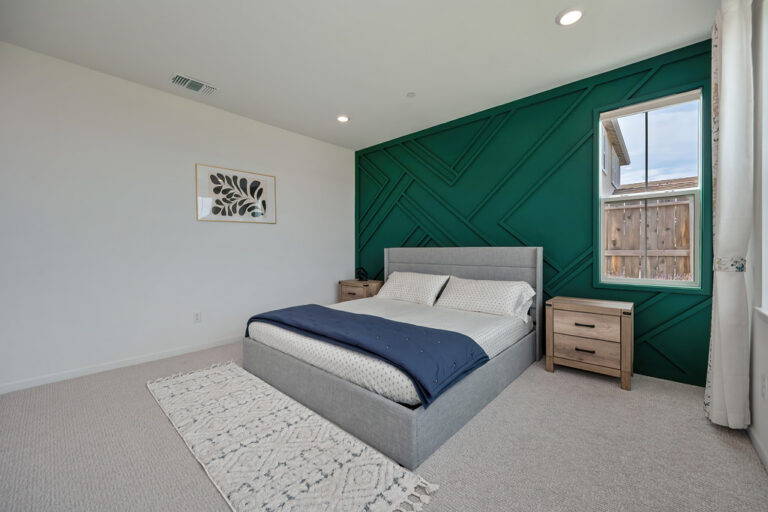
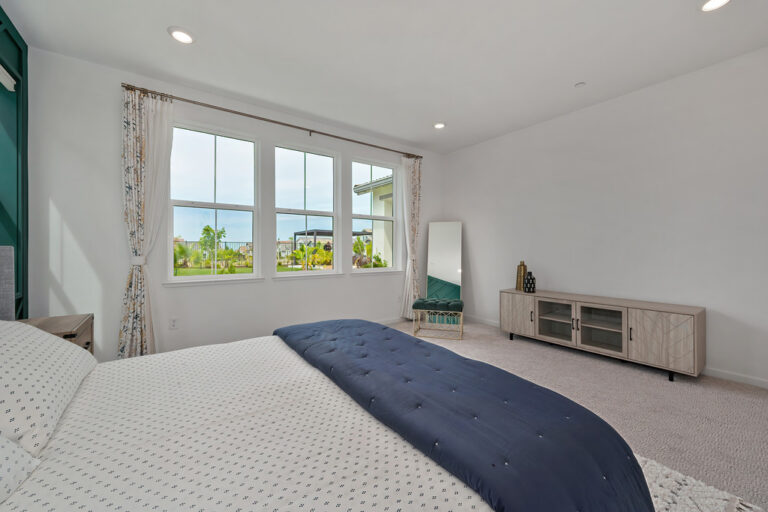
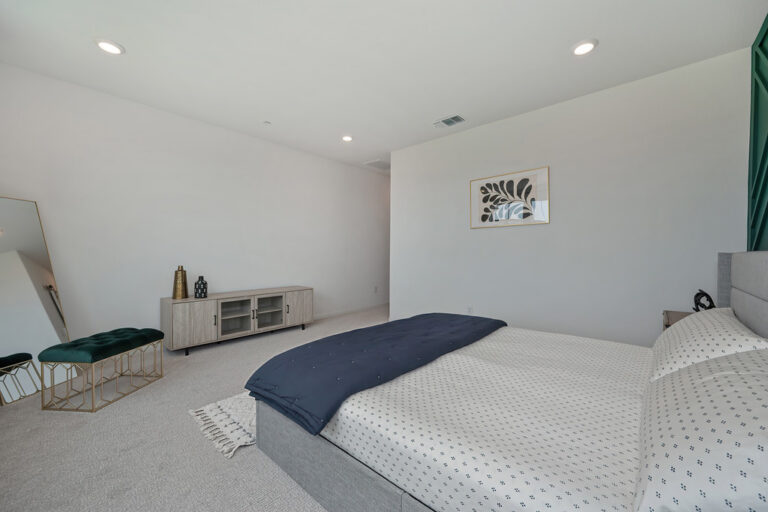
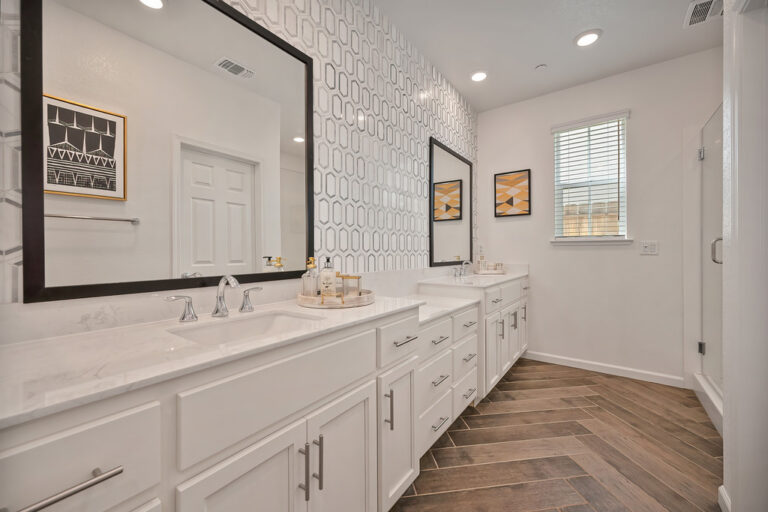
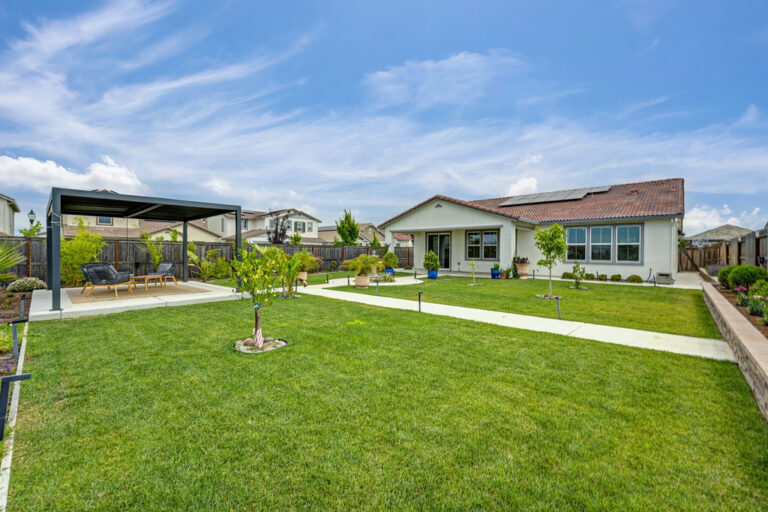
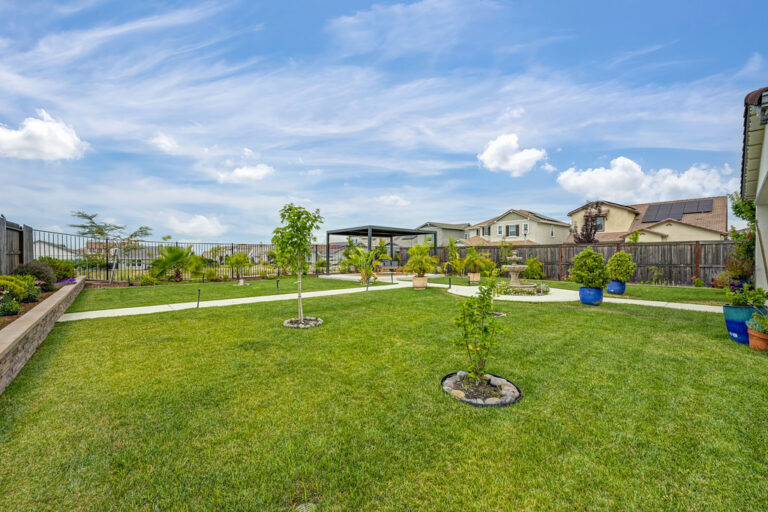
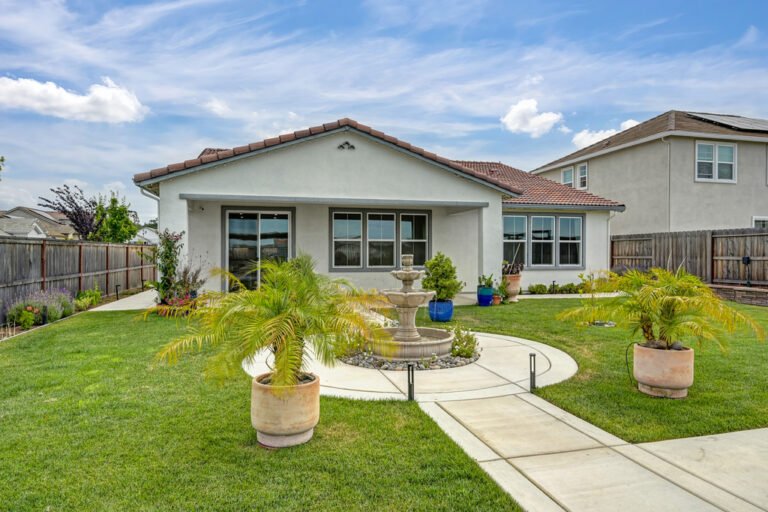
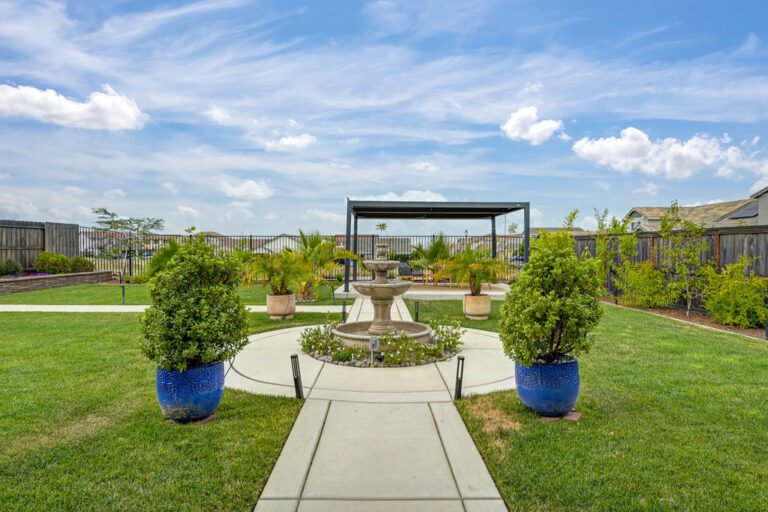
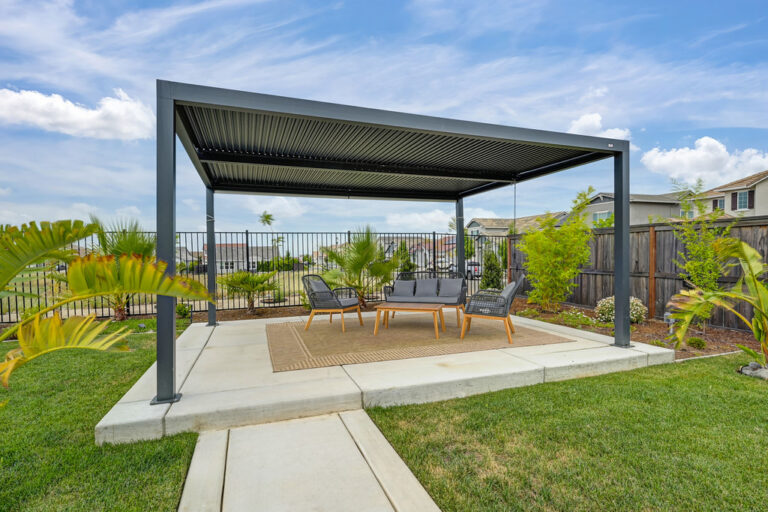
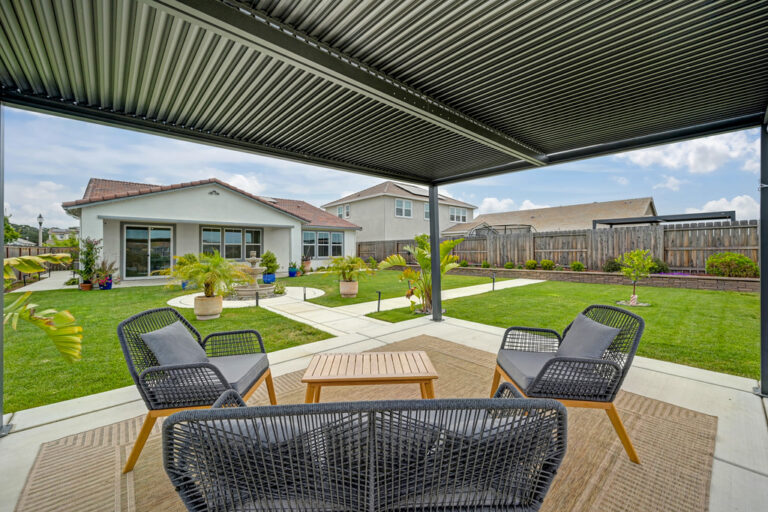
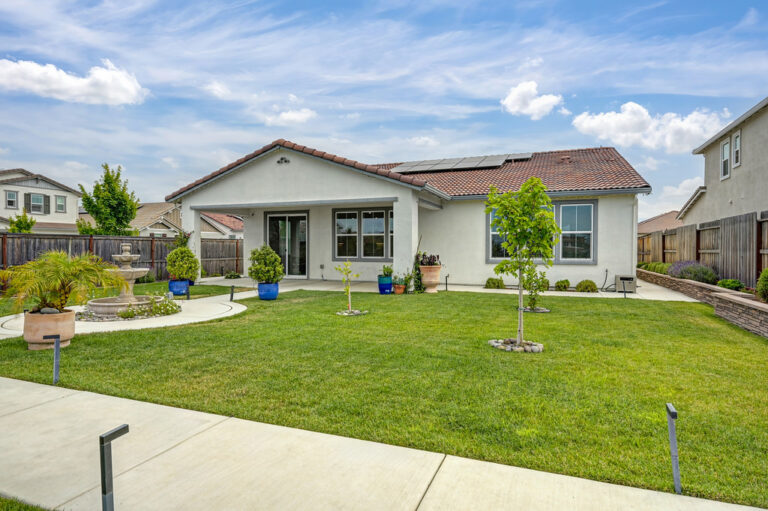
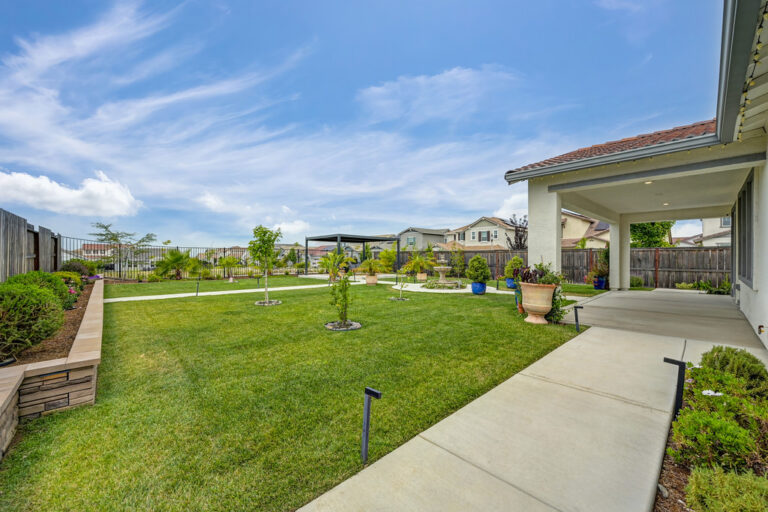
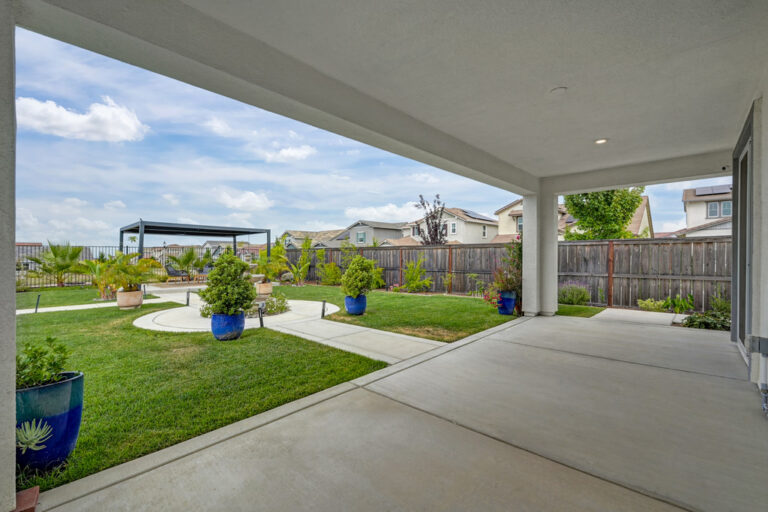
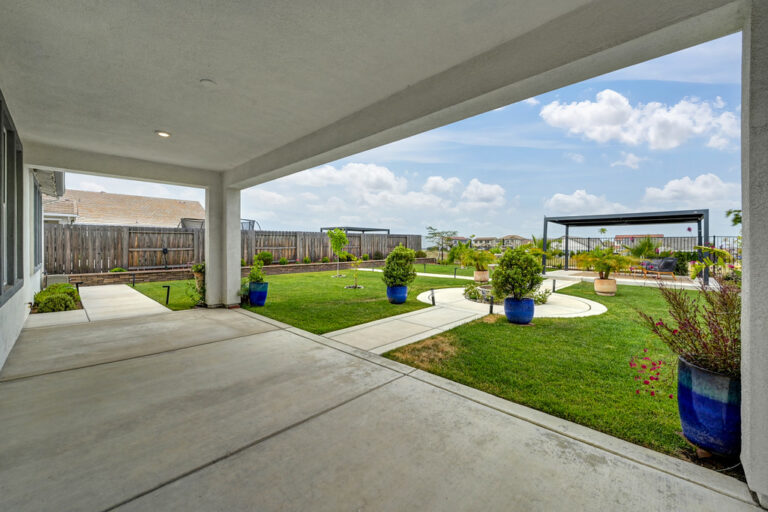
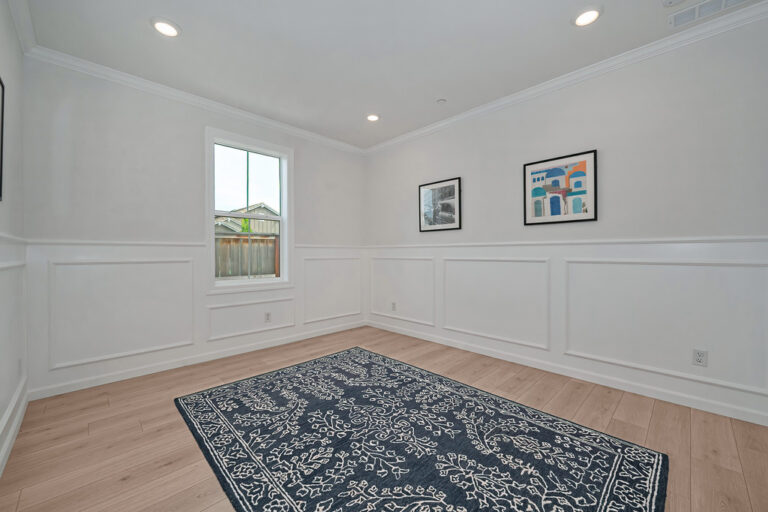
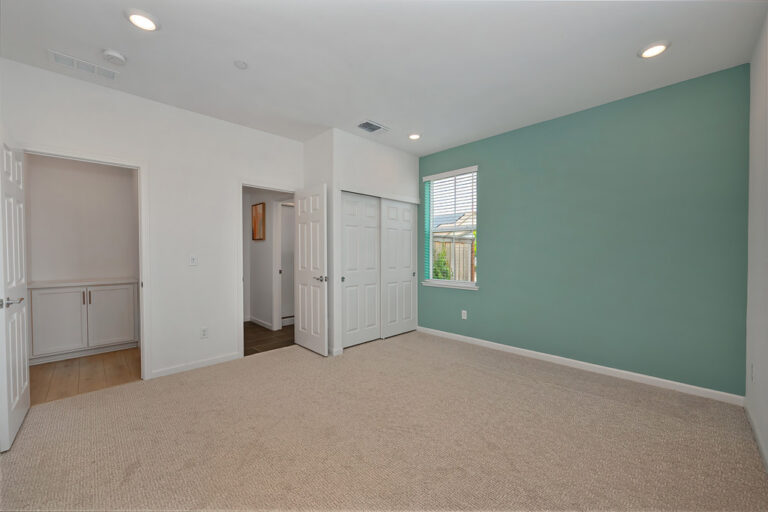
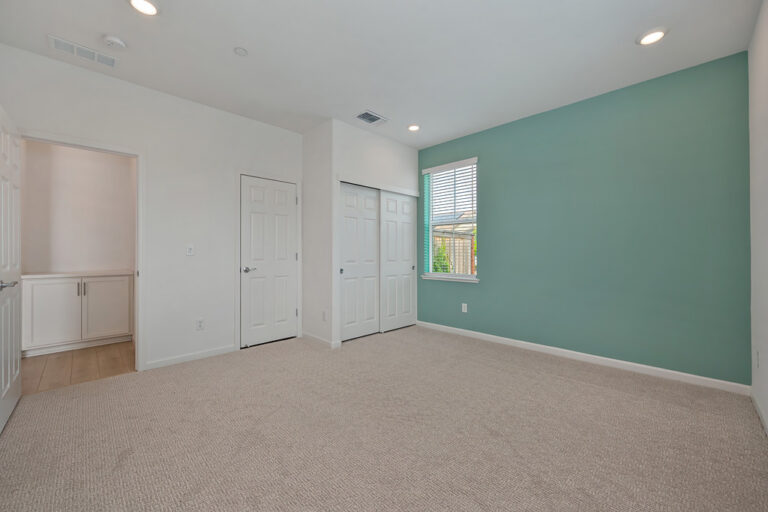
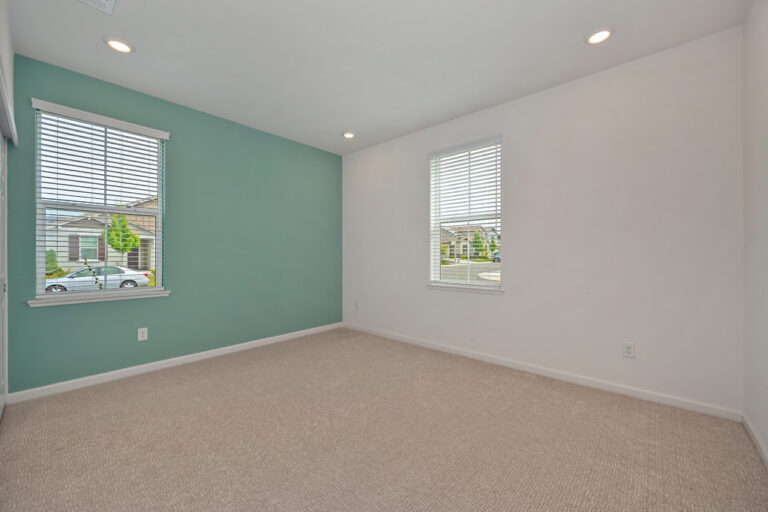
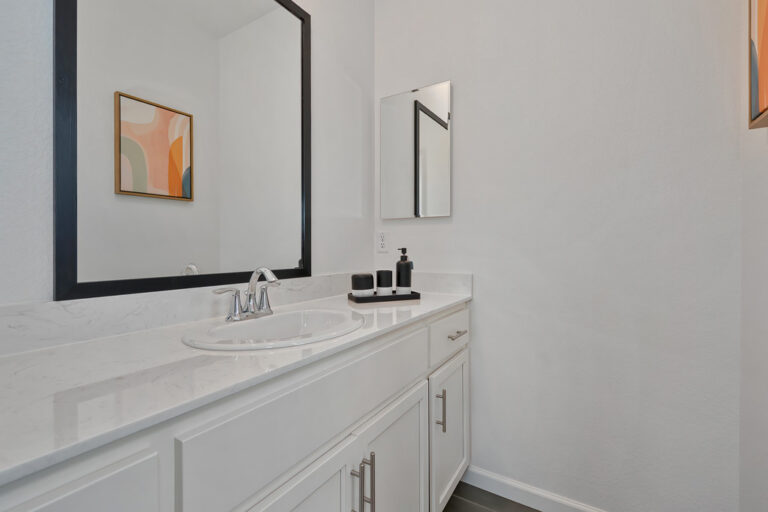
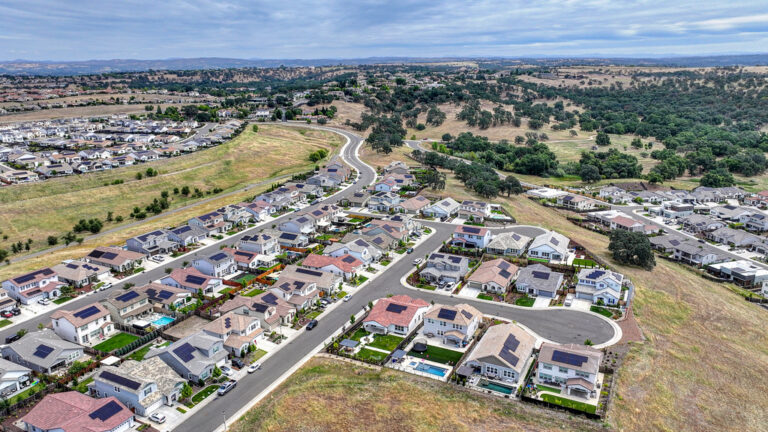
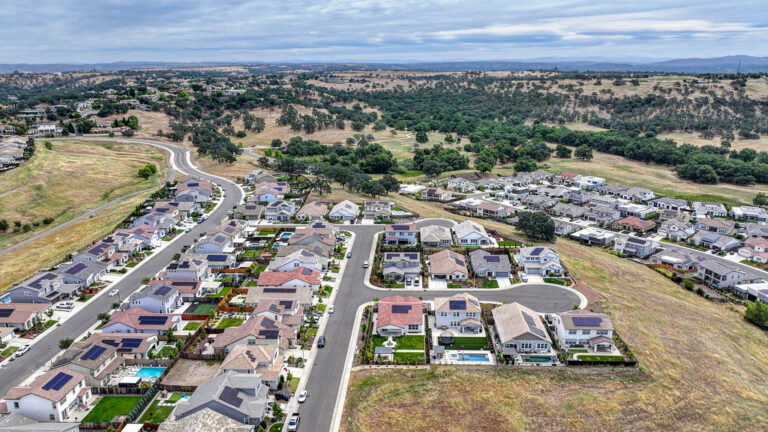
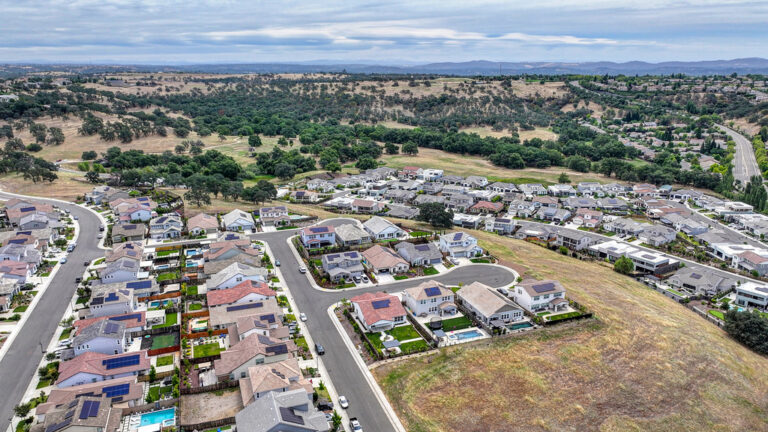
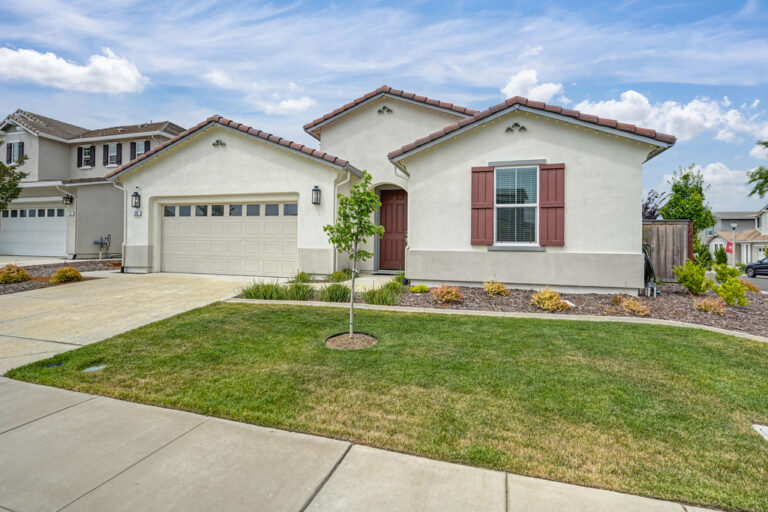
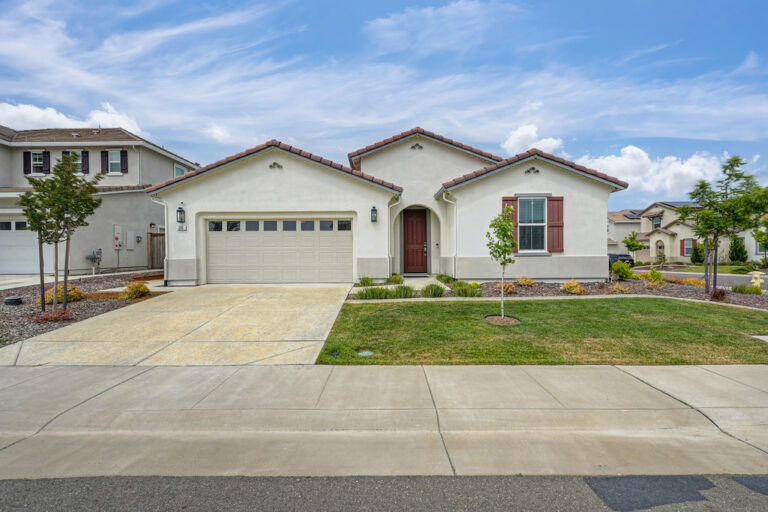
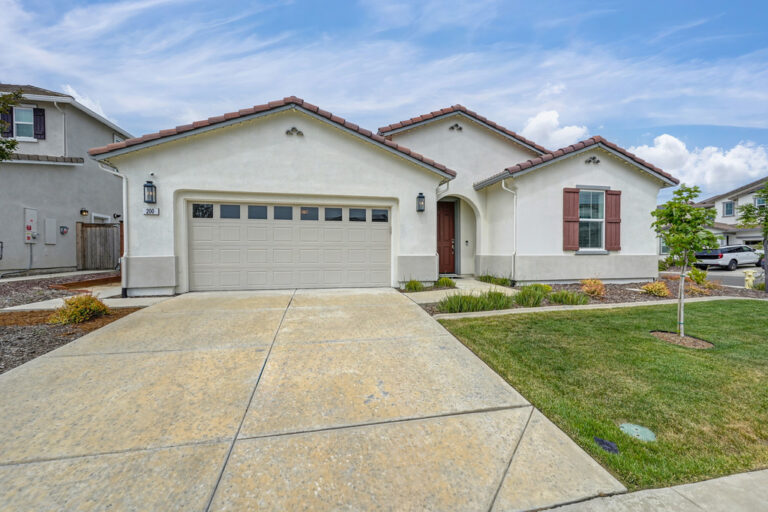
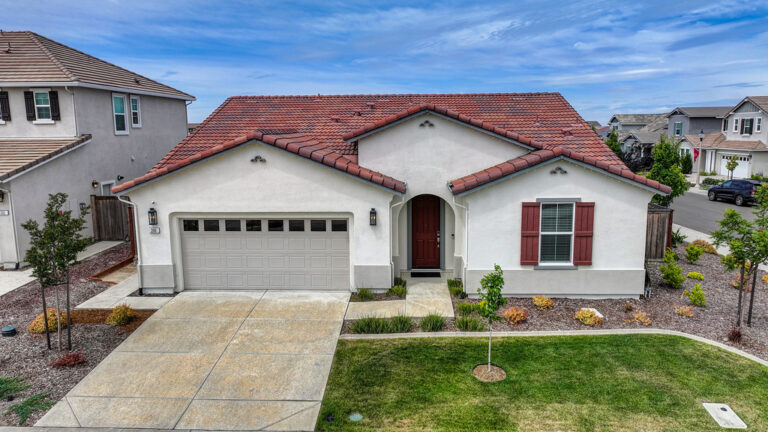
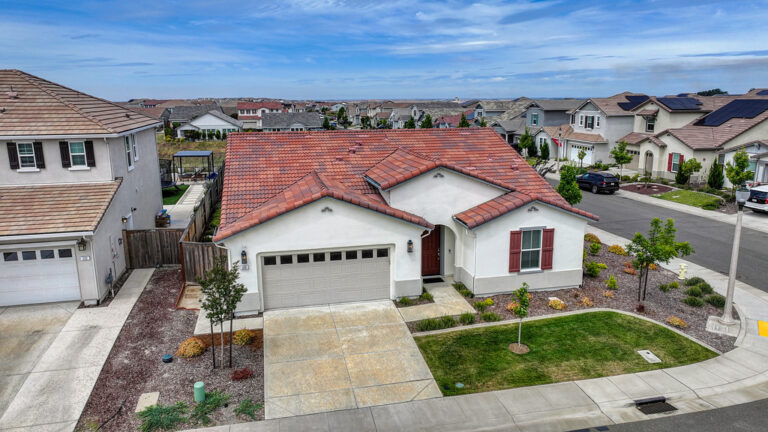
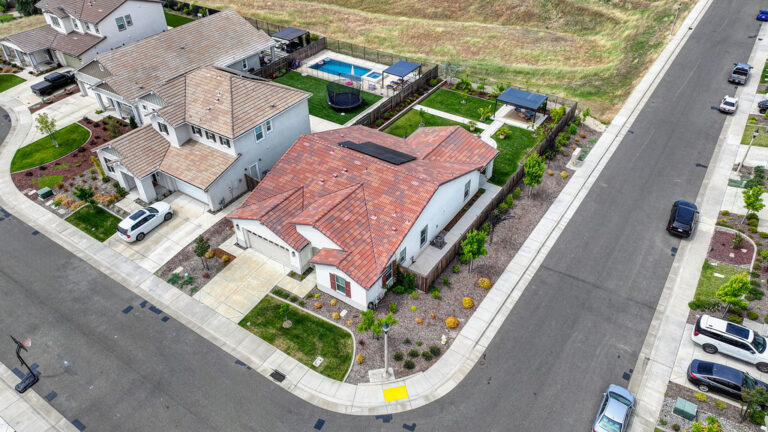
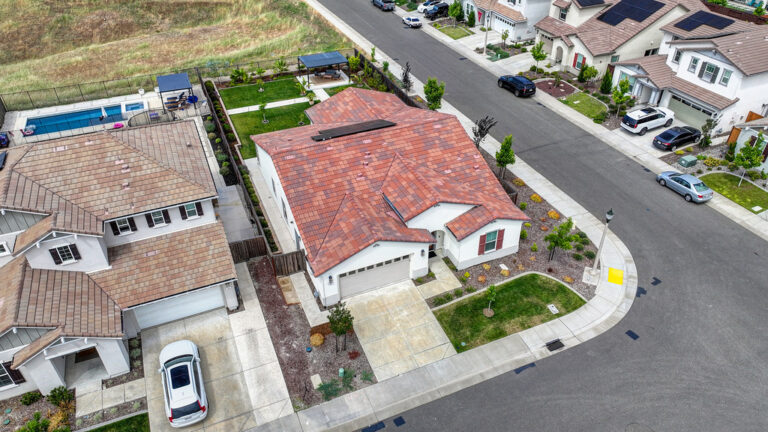
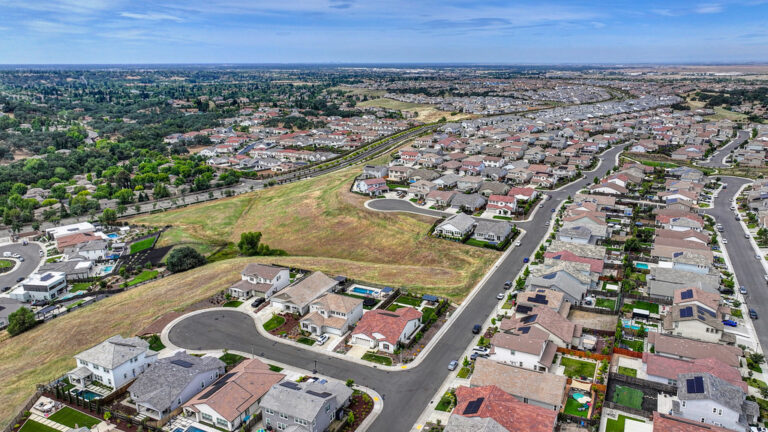
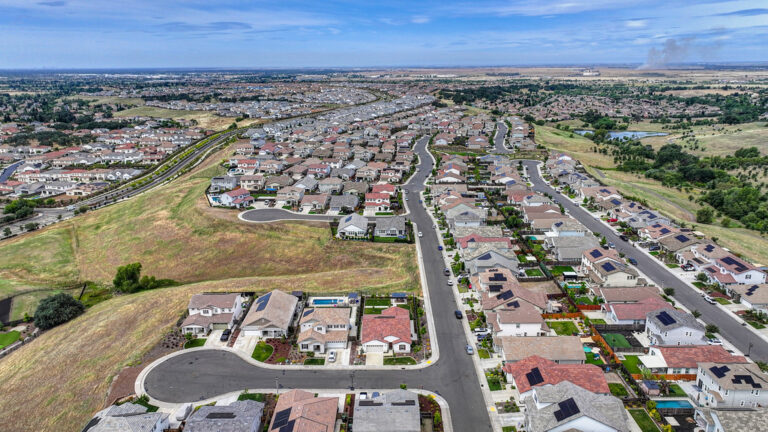
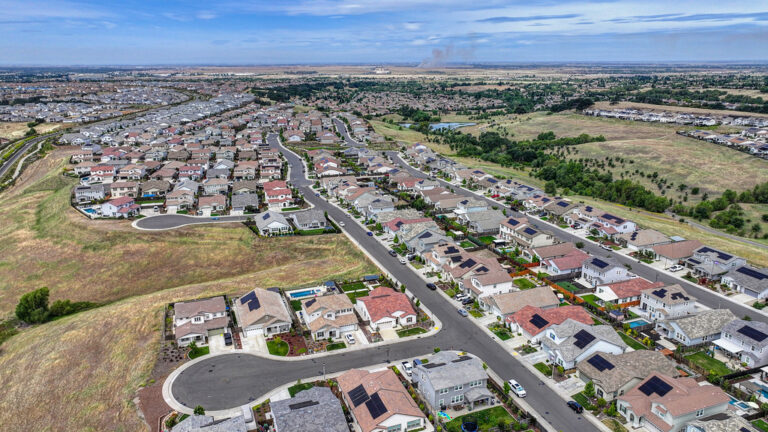
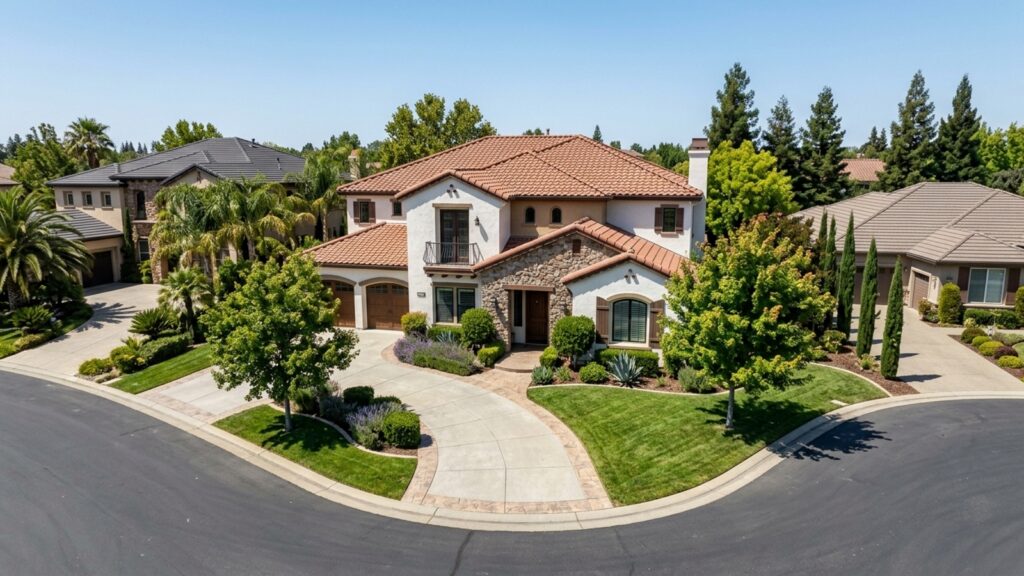
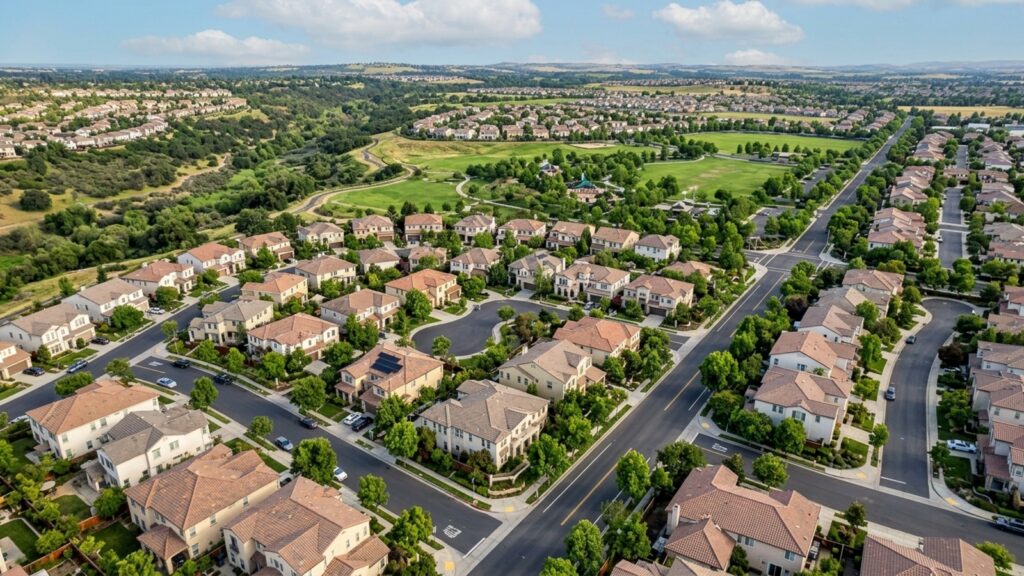
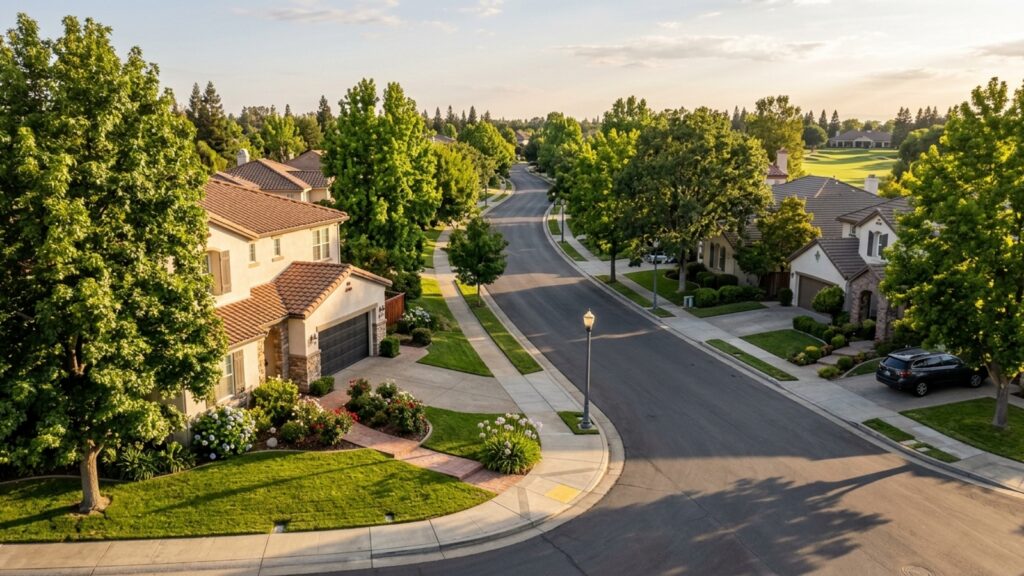
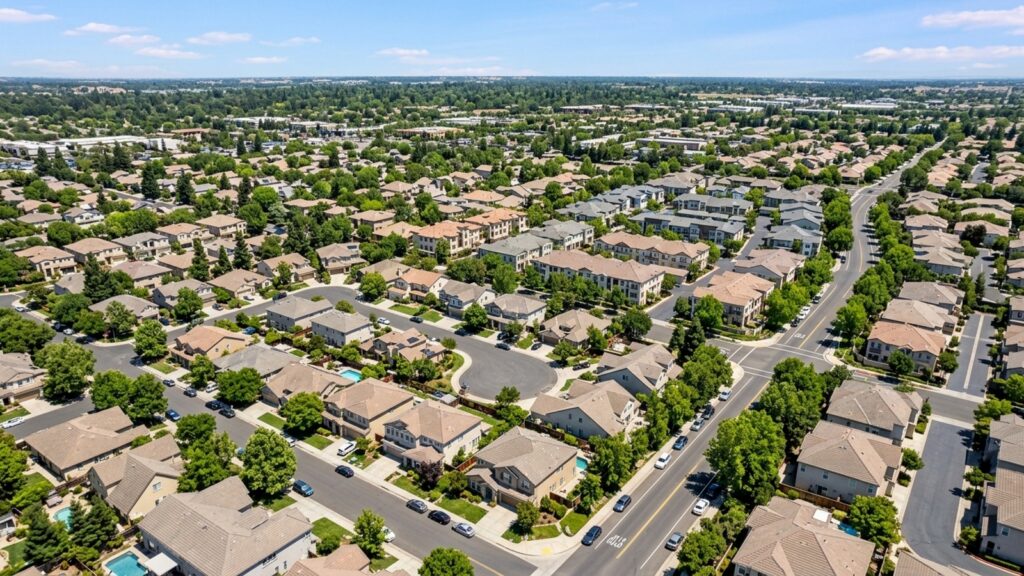
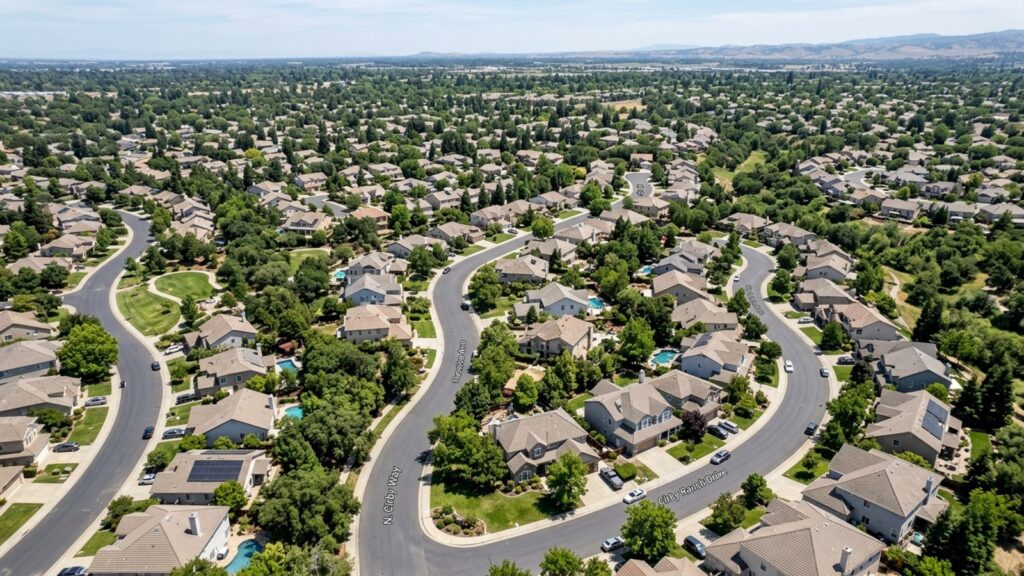
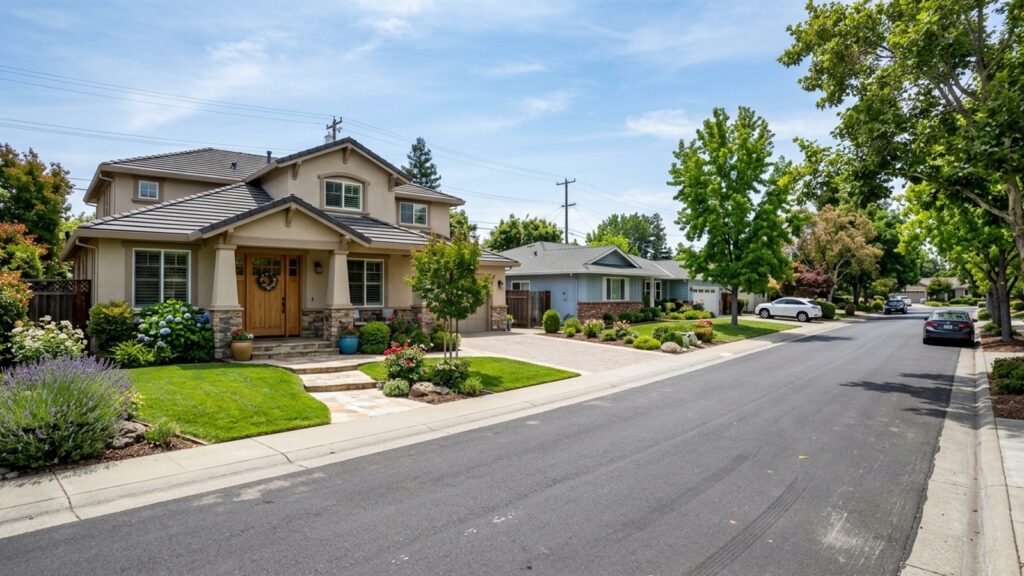
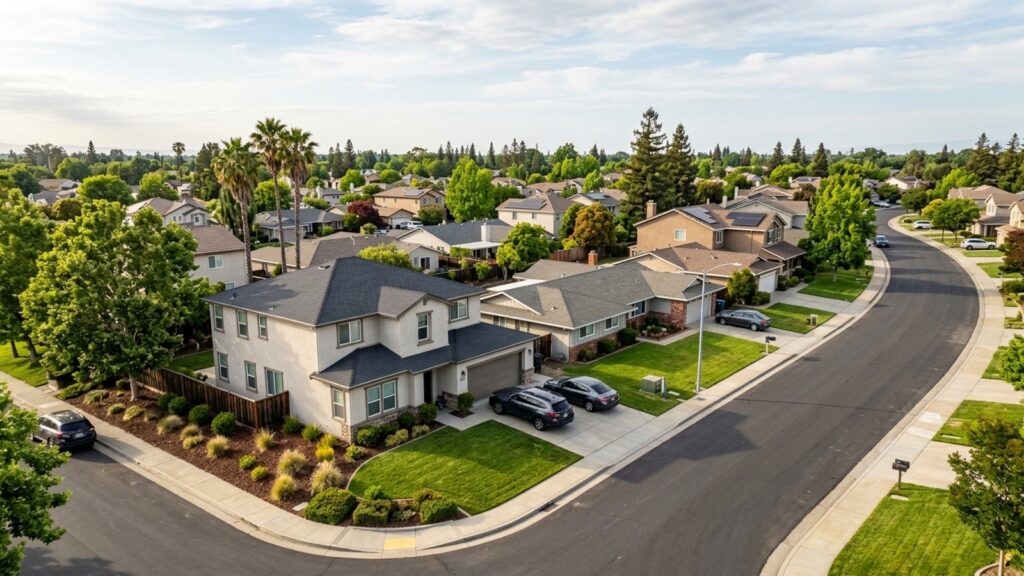
Situated on a premium corner lot of nearly ¼ acre with only one neighboring yard, this exceptional home offers privacy, stunning open-space views, and an ideal East-West orientation.
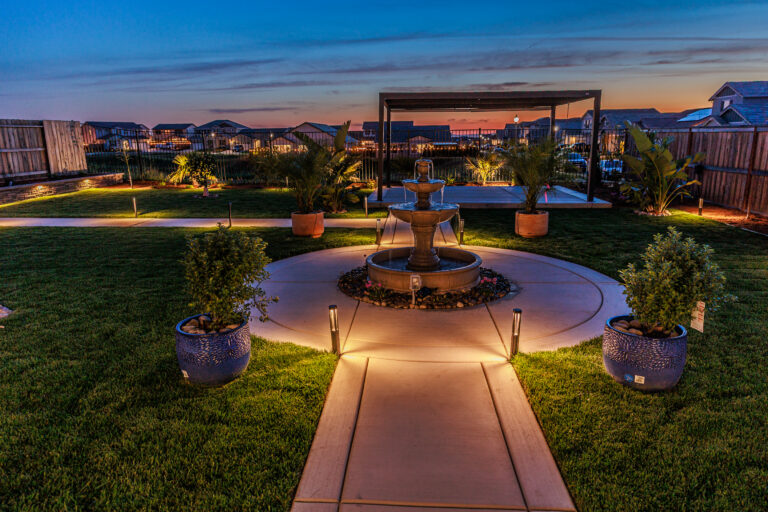
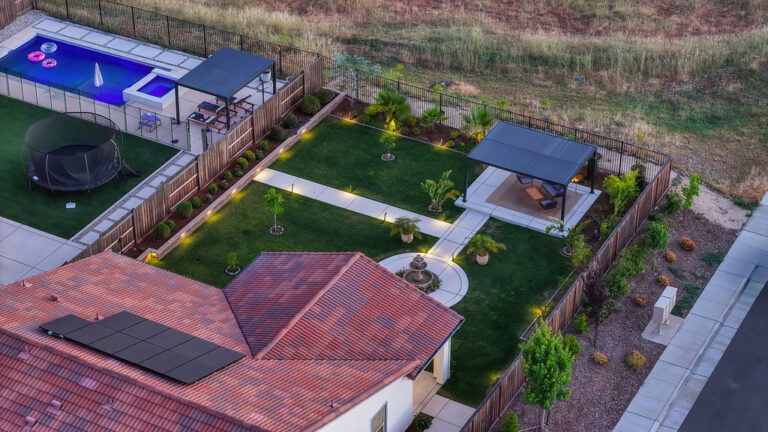
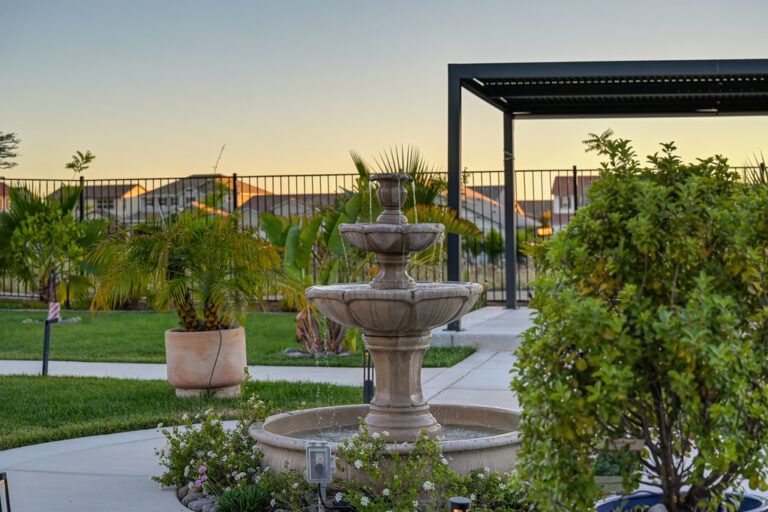
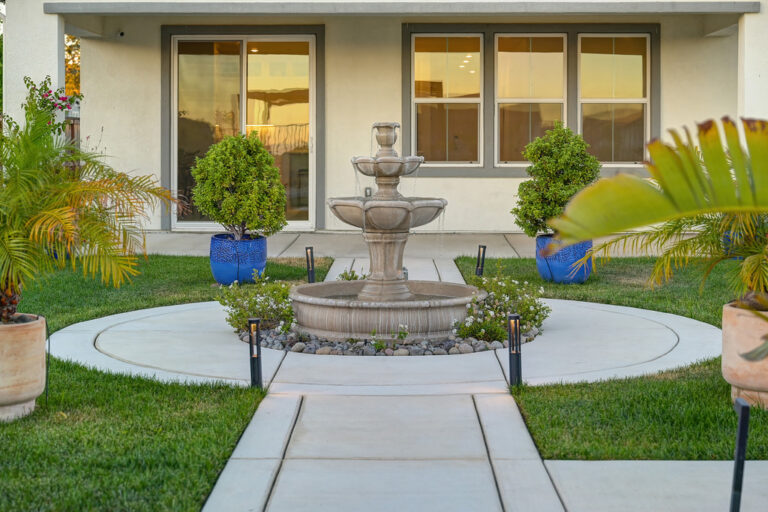
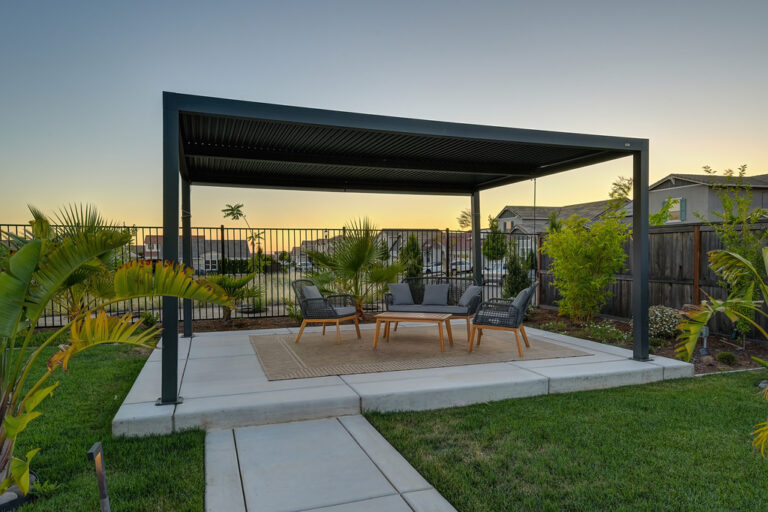
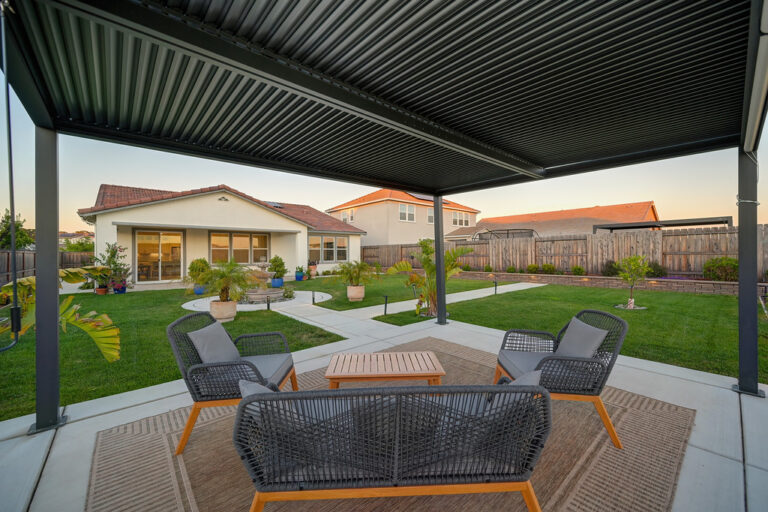
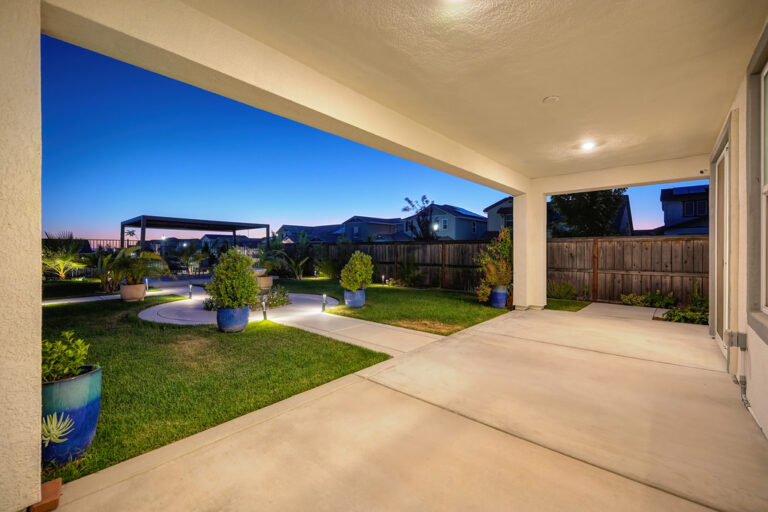
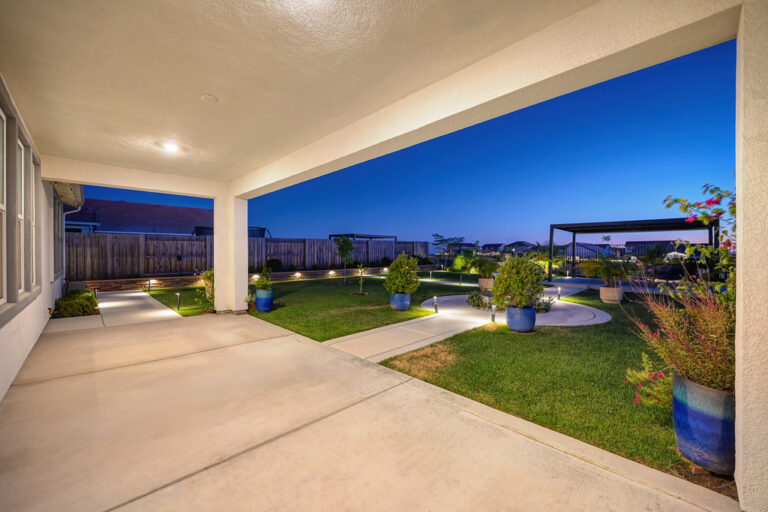
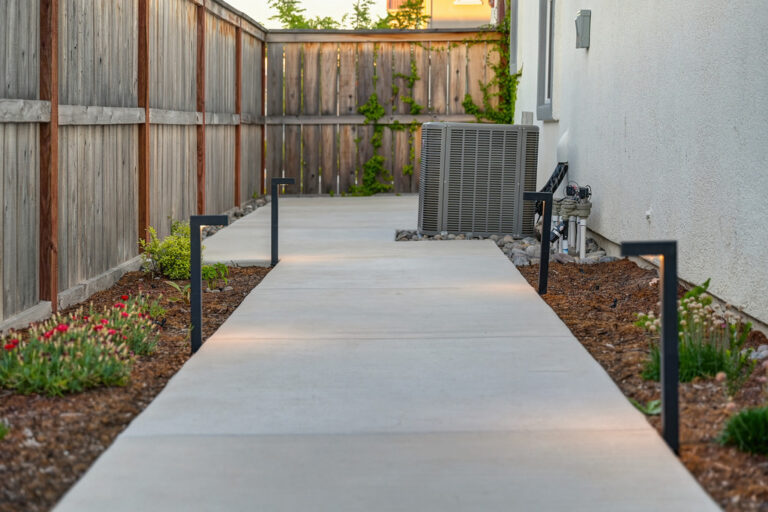
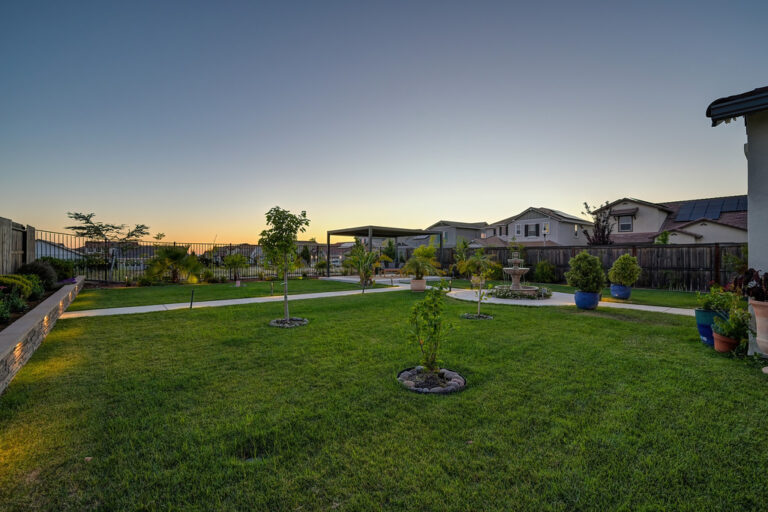
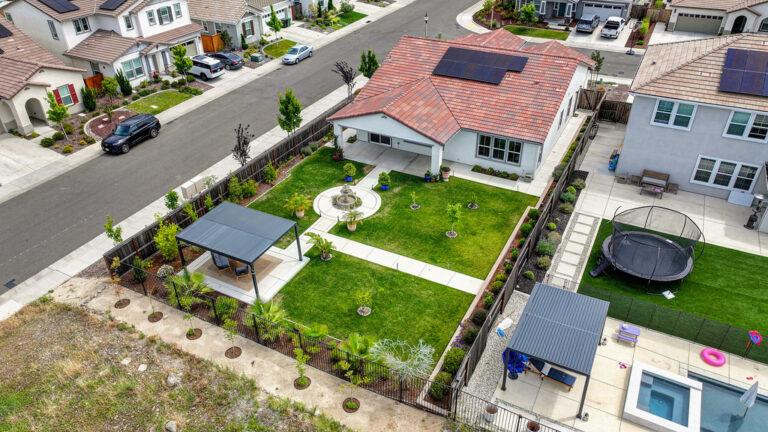
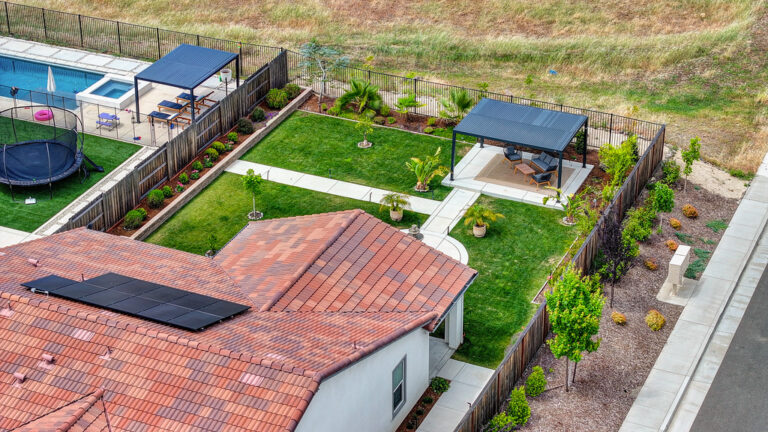
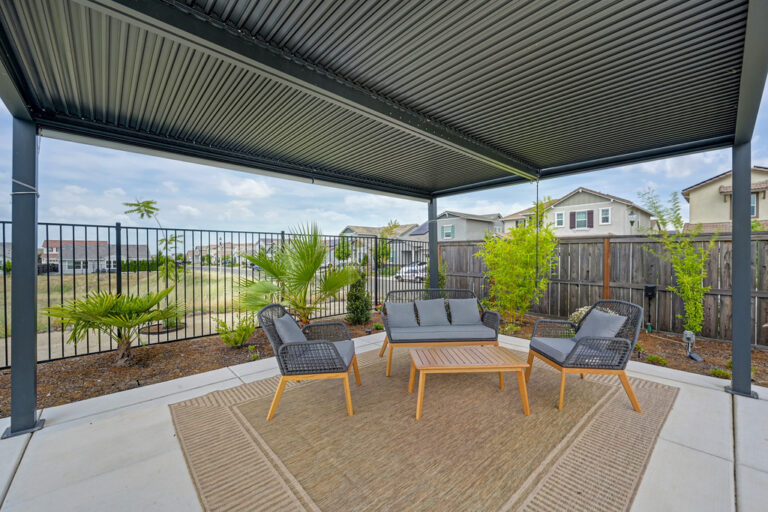
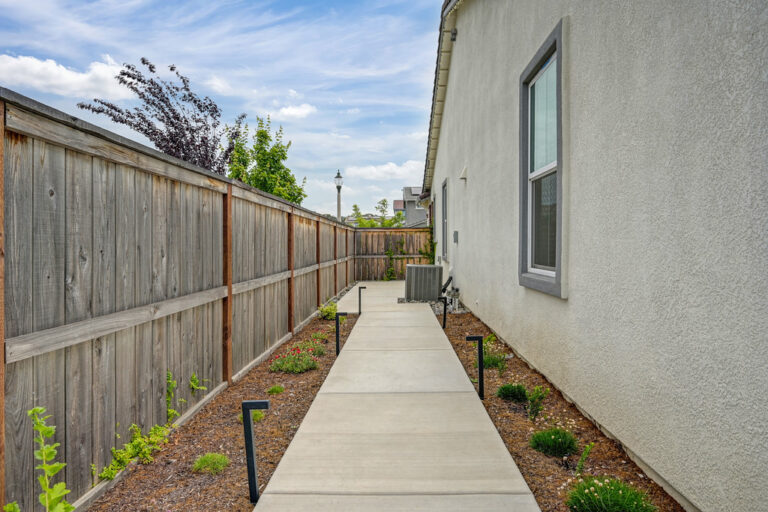
From the moment you enter, your eyes are drawn to the spectacular backyard – truly the centerpiece of the property. With over $200,000 invested in outdoor living, you’ll enjoy a resort-style setting featuring a custom fountain, landscape lighting, raised garden beds, fruit trees, a covered patio, and a pergola with an adjustable louvered roof. Both side yards are fully paved, and elegant wrought-iron fencing preserves the expansive views.
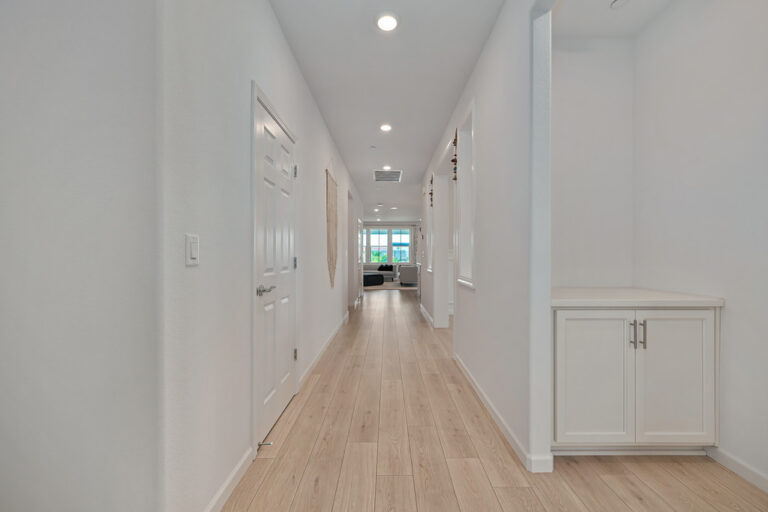
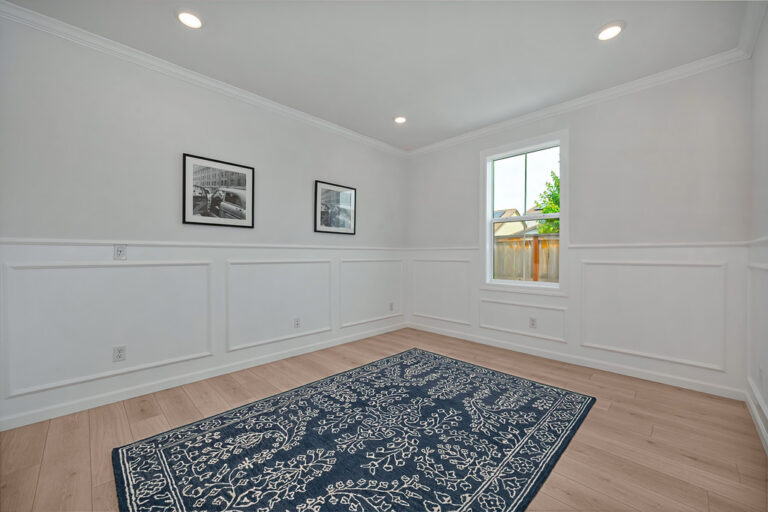
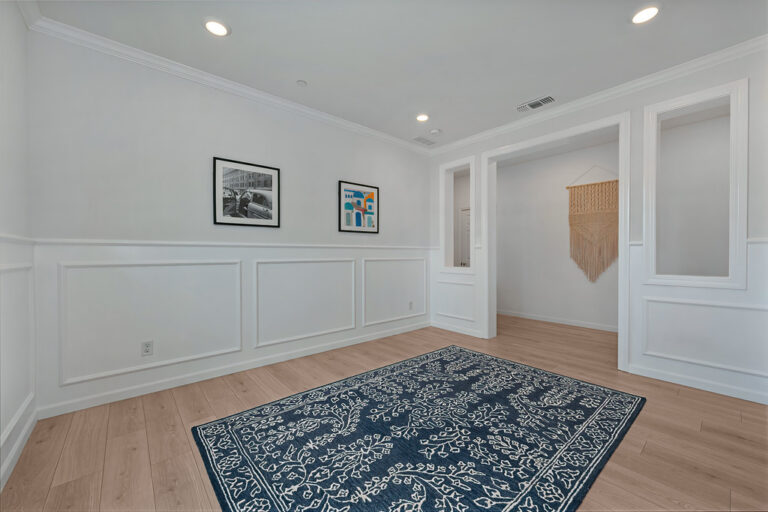
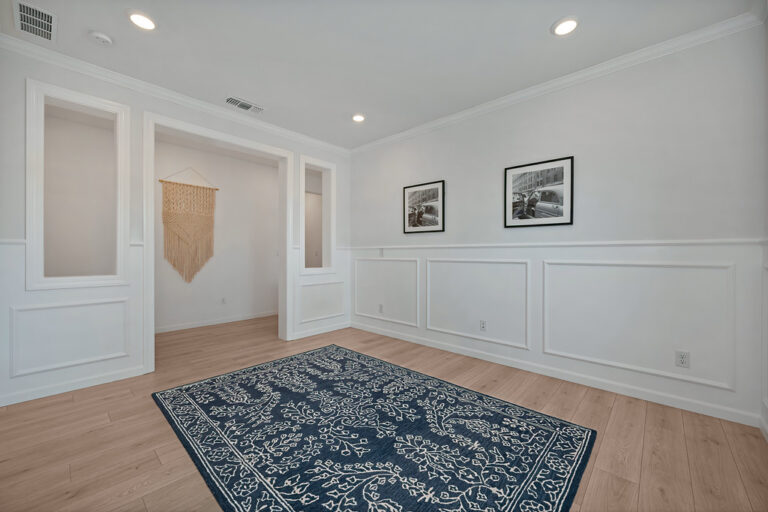
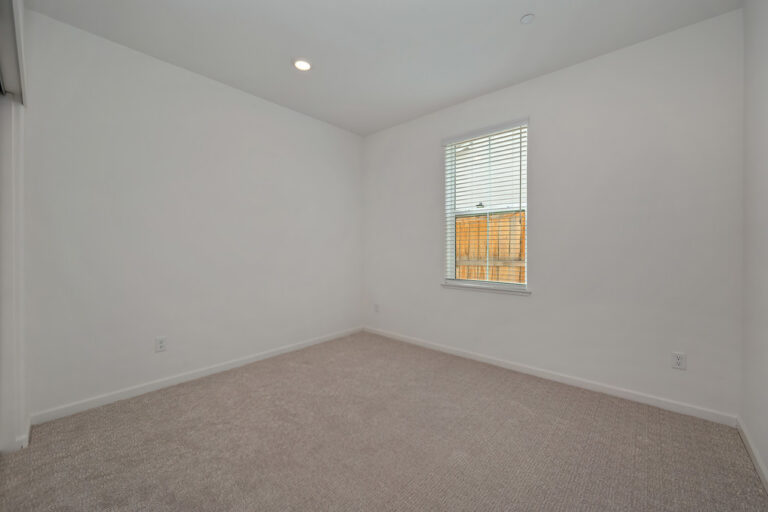
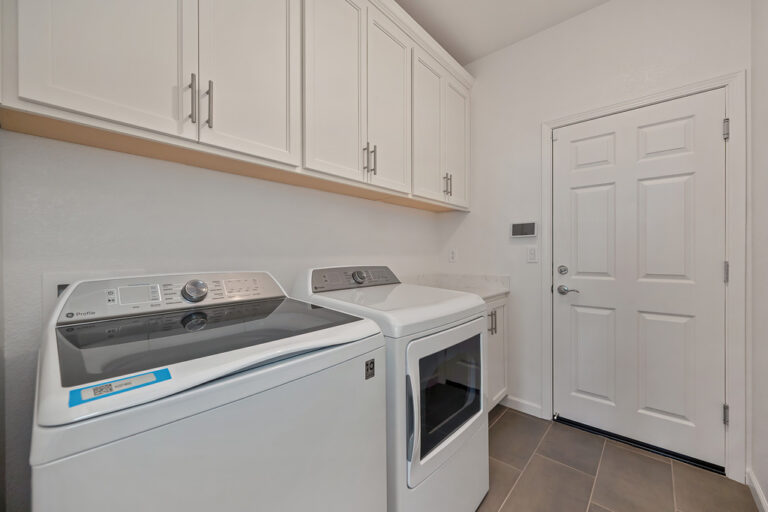
Inside, this move-in-ready home showcases more than $125,000 in builder and interior upgrades. The flexible floor plan includes a private front bedroom with en-suite bath – ideal for guests or multi-generational living. A beautifully finished flex space with custom wainscoting and crown molding offers endless possibilities as a dining room, office, library, retreat, or potential fourth bedroom.
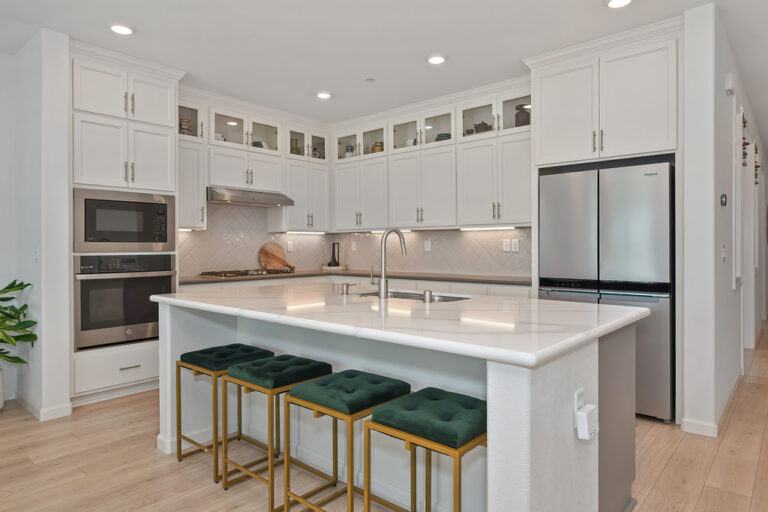
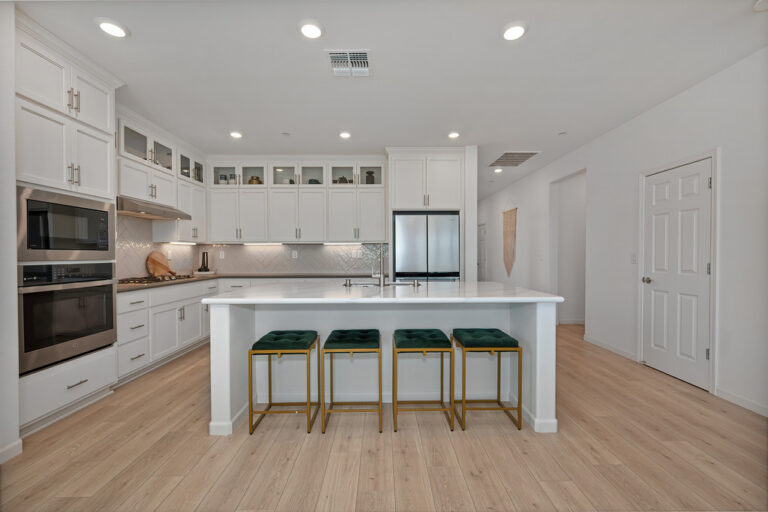
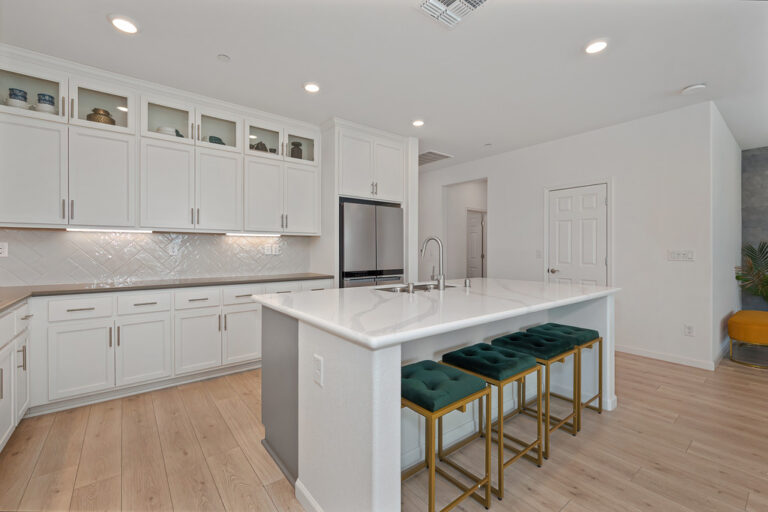
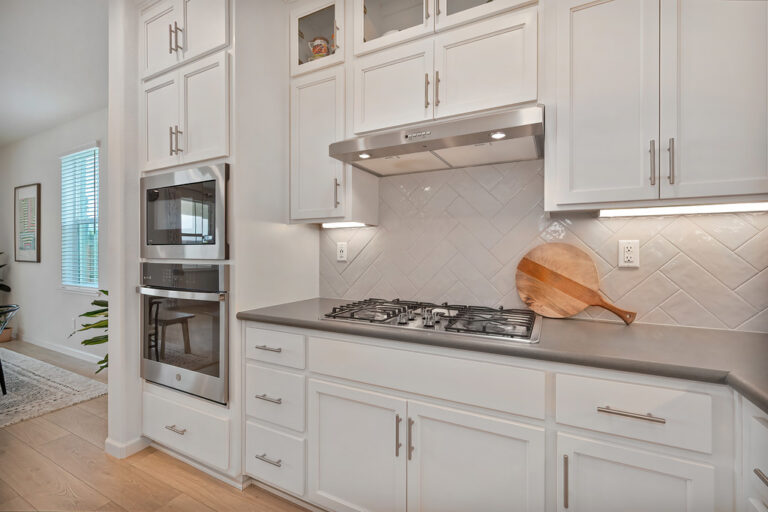
The bright, open-concept great room and kitchen are designed for modern living and entertaining, featuring a grand island with bar seating, upgraded finishes, and like-new appliances.
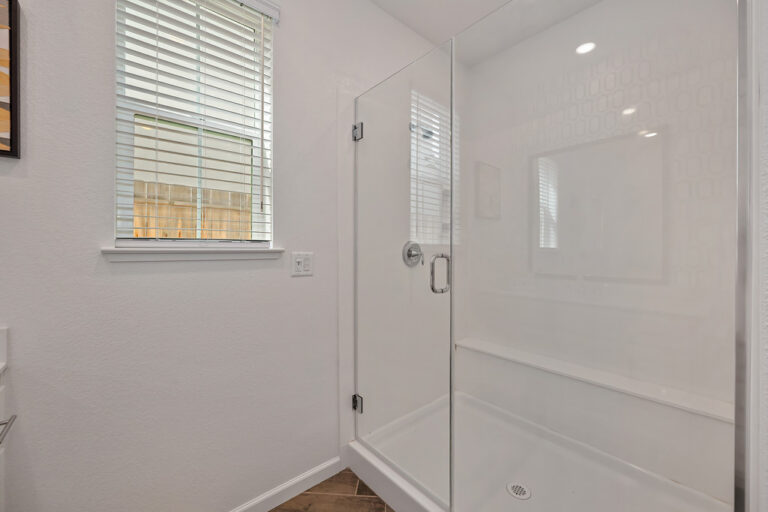
Thoughtful designer touches throughout include crown molding, custom accent walls, textured tile features, updated primary bath backsplash, and a stylish barn door entry to the primary suite bath.
Technology meets convenience with an extensive smart-home system controlling lights, locks, thermostat, garage door, fountain, sprinklers, and more, plus a wireless access point system for enhanced connectivity. Audiophiles and movie enthusiasts will appreciate the impressive built-in sound system.
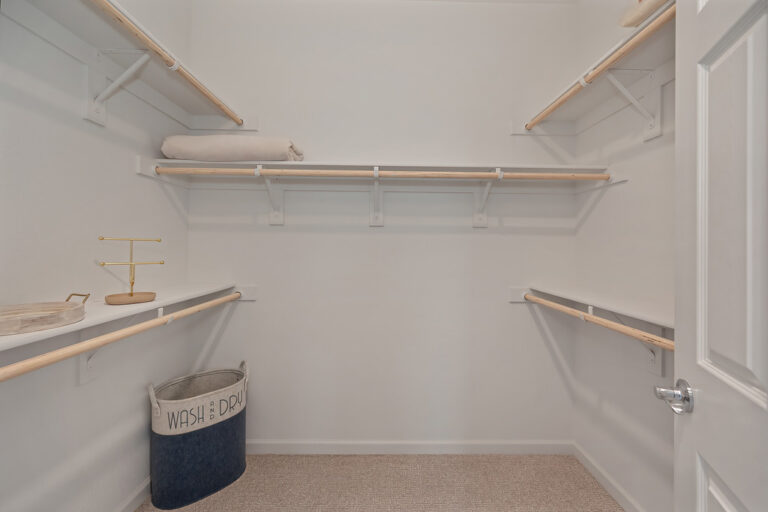
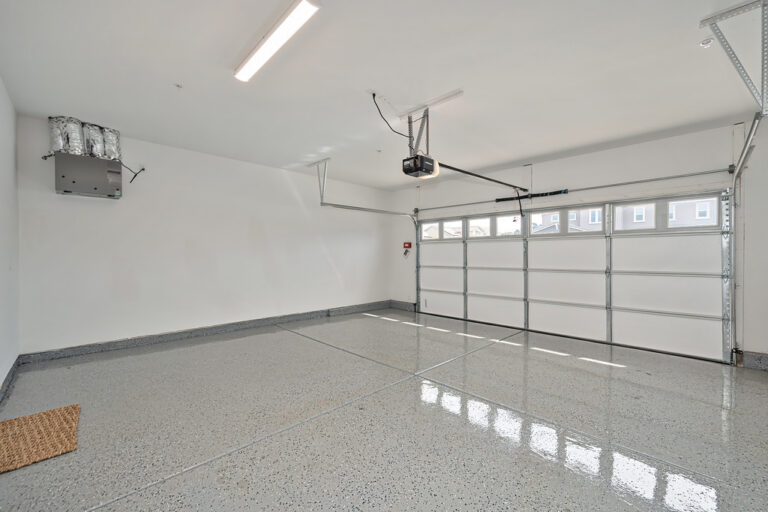
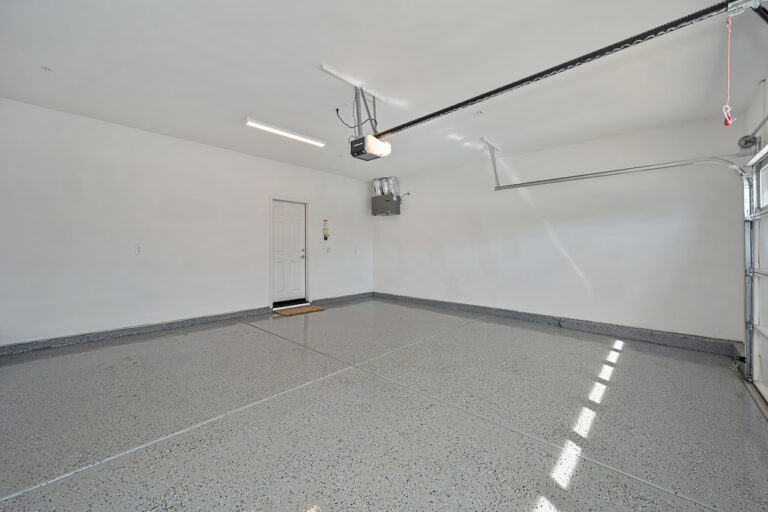
Additional highlights include owned solar, epoxy garage flooring, spacious primary closet, and meticulous attention to design and detail throughout. This model-like home offers the perfect blend of luxury, comfort, and functionality, all just minutes from scenic trails, dining, and everything Twelve Bridges has to offer.
Come make this house your home. We believe that evening showings truly show how gorgeous the backyard is to experience the soft landscape accent lighting.
There is a seller upgrade sheet (link / PDF), floor plan is one of the options within the Zillow 3D tour, and be sure to see the gorgeous video that gives you a tour of the interior and exterior, along with gorgeous drone views. We also have links below to get a small glimpse into Lincoln, California living and in Placer County.
Dara Delgado Sr. Loan Officer 916-224-3327link to website NMLS #249825
Sherene Gray, Branch Sales Manager 916-798-8026 • NMLS #302159 Fairway Home Mortgage link to website
REALTORs Steve Ostrom + Heather Ostrom – 916-308-2446 – Homes@RosevilleAndRocklin.com – Coldwell Banker 2200 Douglas Blvd B-200, Roseville, CA 95661 – CALBRE# 01344154 + 01899313
Seller Strategies: the Importance of Showing Instructions
This post was original created back in 2017, but has been revised in 2026.
Those first two weeks your property is active on the real estate market / MLS – are important. It’s when the property is fresh to the market with more buzz and the largest pool of buyer eyes will be drawn to the property. You don’t always have the biggest window to capture the hearts of buyer’s to decide if this is the house to call “home.”
In today’s “seller strategy” session, we’re discussing positive ways to improve your pool of potential buyers – by ways of how your “home showing instruction”s are set-up on the MLS (Metrolist / Prospector – main hub for all real estate input in our area – Placer and Sacramento County). There are other ways of course, but this is what we’re tackling in this post.
If you don’t understand the pros and cons of home showing instructions when you’re active and on the market and getting ready to entertain buyer showings, be sure to ask your listing agent, or give us a call if you’re looking to interview a listing agent. Steve O and I, are both full time REALTORs®. There’s no other “side hustle” – we’re just REALTORs and primarily listing agents.
Some of the showing instructions in the video may have evolved, but many facts hold true, the easier the home is to see, the easier it is to sell.The more friction and challenges you create, to not allowing your home to be shown, can backfire on you and limit your “buyer-interested” audience.
Some of options (but limited to) showing instruction options: Vacant with Lockbox Call 1st Lockbox Appointment with the Owner Call Listing Agent Call Listing Office Appointment with Tenant (there are many more, but these are some of the common ones).
There is also a program called “ShowingTime” to assist both buyers and sellers with managing appointments to see the home, blocking off certain times from showings, etc. We can discuss the strategy of using that – yes, it is indeed a really great tool to use, but we do have some downsides that we can discuss in person.
Stay educated and always make smart choices – both in marketing, accessibility (and of course, which listing agents you choose). Short-term discomfort, can possible expand your opportunities to a larger bottom line at the closing.
SAFETY REMINDER: Never allow someone who states they’re an agent, into your home – particularly if there’s no appointment set AND without using the Supra Blue iBox lockbox. That iBox (in the video above) – it tracks the date, time, agent’s name, phone number, company, and email. If you’re in our area and you’re not using the Supra Lockbox – iBox BT LE – you probably picked the wrong listing agent. From a safety standpoint for property access tracking and for showing follow-up, a contractor lockbox (as of 2026) does not do those items.
Life is all about timing, and it doesn’t change with real estate and listing your home. Each real estate market and area is different, but we have noticed there are definitely better days than others, to list your home. Granted sometimes life doesn’t always play by “ideal rules,” and ultimately, the seller is our boss, so we will always be awesome – no matter what day you’re able to list your home. But if we can have an ideal world, we have strong opinions for homes in Placer County, California to be listed …
Along with the three “hot” reasons why in this video, we also have another set of reasons. By default, the offer won’t expire till Monday, unless specifically set to expire before Friday evening. So it gives us a full weekend to be on the market. It’s always nice to have it exposed to the broadest audience, for the largest pool of the best buyers out there – while your home is still “fresh to the market.”
Plus, reality check, a lot of folks are on their email – even at work on Friday morning. We like that email showing up in folks’ email boxes Friday morning when they’re setting their schedules.Each home and neighborhood is unique – so let us know if you would like a detailed analysis on your home.
So I found this old draft post and it was about comparing the concept of, “Love where you live,” but with animals in mind. At the time of writing the words below, we had a household full of young kids, dogs, guinea pigs, and fish. Life was so busy and a blur. I almost deleted this post, but I got emotional reading it and I found it has some great content that might warm your heart. Enjoy.
Love where you live … Animal Style
“Love where you live” can mean something different to any of us, depending where we are in our lives, our jobs, and those that might be depending on us. It is complex and never a straight answer of “what is love and what level of perfection do I expect to achieve said happiness?”
If one’s living environment isn’t ideal. Stress can set in … we can act out, or we can even shut down. If our home is not close to the grocery store, what are my systems in place for meal planning over a longer period of time, can I get items delivered in a pinch, etc. Some of the stuff we might take for granted in our life, can pose challenges with a change to our living situation (including location and proximity to items).
It can affect us both in success in business, and in life with our mental health and physical limitations to ensure we have time to manage it all.
Animals can also feel the stress of their living situation isn’t large enough, how social are they and do they need to be solo or with a partner, etc. Are they being held enough? What are the physical and social requirements? Are there limitations and what are safe “toys” for them physically? Food and diet quality matters as well. These fuzzy buddies are reliant on their owners to ensure a safe place to live and thrive.
If you don’t like animals (or maybe guinea pigs), this probably won’t be your type of post and wondering how is this on a real estate blog? And no, that “love where you live, animal style” is not a reference to In-N-Out, though we do love their burgers.
Our Guinea Pig Journey in making their house a home!
When we first got our single guinea pig, we were bad about it. We didn’t research the “psychological and physical needs” of a guinea pig.
We started out with the typical “starter” guinea pig cage. It was a good starting place for us – but we sooned learned thanks to Reddit and research that this cage was NOT adequate and that our guinea pig needed a buddy for social. (Did you know it’s illegal to have a single guinea pig in Switzerland?)
My kids … after a year of extensive research on guinea pigs … started wanting more for our sweet Dini (Houdini) and our newly added (at the time) Java Chip / Mocha to the mix (there was a slight controversy to Mocha’s name whether it was Java Chip or Mocha Chip or just simply Mocha).
The girls had big, big dreams for the ultimate bachelor pad. I so wish I had photos of it, but it wasn’t that fancy, but the girls did an incredible job with though towards all variables of entertainment, functionality, joy for the space, and ability to be cleaned easily and without the burden of one-use bedding.
The girls wanted the best for their piggies. Sure it might seem silly to some, but I am so proud of girls, for wanting to make a better space for them
My girls planned extensively how to craft a homemade cage (I initially thought it was nuts) … and finally, both Steve O and I gave in to the idea of a homemade guinea pig cage … Thanks to YouTube … their hints at a “better space for ‘Dini’ only grew. But you know what? That cage was so dang awesome, the girls made it happen.
Steve O took the girls out, to get all the supplies, watched a million more guinea pig blog posts, and YouTube video “how-to” videos … and voila … here we are … they put their dreams into motion for our sweet ‘Dini and Mocha!
I really encourage before embarking on ANY DIY project, research, research, research before adopting or contstructing anything. So many gracious folks share all their ups and downs for you to learn and benefit from their prior journey.
There’s so many great DIY creators for guinea pig cages.
Our piggie palace palozza was huge – it looked like a model raptor cage from Jurassic Park, minus the electrified perimeter. It was much larger than I envisioned and liked, but you know what – it was the right thing to do and our guinea pigs lived for almost seven years each – which I think is pretty solid. Animals are a responsibility and privilege. It’s our job to be better.
All joking aside … our guinea pigs were out more, they were “pop-corning” (I didn’t know what the heck popcorn meant, until my kids educated me on guinea pig behavior). I wouldn’t have believed it all, till I witnessed it.
The girls are truly our kids – mini-salespeople, trying to make a deal come together and it wasn’t what was best for them, it was what was best for their animal family and others. So proud of them.
For all your guinea pig needs – we’ll direct you to the O-girls. Though, after updating this post in 2026, they’re now in college and now I will try and not cry thinking about how time flies.
We all should be so lucky to love where we live. Including our pets .. if you need help finding a place to love to live … we’re here for you.
ADOPT, Don't SHOP
One other word of advice, update again from 2026 Heather Ostrom, adopt don’t shop. The more I have learned, I had no idea how many guinea pigs are given up. They’re even possibly at your local SPCA – so do your research. If you’re in Roseville / Sacramento region, google “guinea pig rescues.” I found one called Gardener’s Pig Pen – linked here and on the piggie photo. Don’t go to PetSmart. We didn’t start things out the right way, so we hope you can learn from us how to be a better piggie owner and new piggie parent.
Recently we were honored with the opportunity to be part of REALTOR.com’snew “Seller Tips” Video Series under their “News + Advice” drop-down menu on the main site. (“Realtor.com” > “News & Advice” > “Advice” > “Sell”).
We always try to be forward and upfront in our thoughts, with the intent to help our sellers. So we hope you enjoy these videos, and feel free to share the links with friends, that might need some help.
We hope you’re educated on some topics for seller preparation and also that you’re entertained, in an Ostrom-sort-of-way.
To all the sellers that already know how we are, and love us still – thank you for your support. We wouldn’t be here without you. If you’re new to knowing us, whether virtually or in-person and are looking for someone to list your home – know we’ll always be honest, to the point, and always have the mind-set of having you win in the world of home selling (and hopefully in terms of less time on market and higher-price point).
Thank you for watching and thank you for sharing our “seller conversations” –we have three listed below (with hopefully more to come). If we haven’t answered one of your seller questions – comment below – or call or email us.
If this is your first time visiting our site – welcome … we’re REALTORs Steve and Heather Ostorm in Roseville, CA at Coldwell Banker Realty.
We primarily work with sellers and their listings, and move-up buyers. So we have had a lot of great learning experiences and opportunities to help our sellers. Sometimes it goes well, sometimes it doesn’t – but we’re always learning how to be better. But what we’re not is … we’re never afraid to tackle awkward conversations, if it means our seller having a better opportunity for a better experience with selling (and hopefully maximizing their bottom line, to the best of our ability – we want our sellers to win).
This post is from 2016 and will be updated soon* (1/2026)
The process for a home closing in Placer County
Every area has their own procedure with home sales, regarding signings at title (or via notary) and the closing process. This is one of the most confusing topic for buyers and sellers. Below, we’re addressing sales specifically in Placer County, CA. “All-cash” deals will have their own (quicker) timeline, and maybe that will be a topic for another video 🙂 This video applies to buyers with a loan.
You’re not alone if you’re confused on when do you sign paperwork, how does the closing happen, and when do we hand over keys? We will do our best to equip you with all the right information, so you feel as prepared and informed as possible.
More “Closing” Questions Answered
Do buyer and seller sit at the same table to sign paperwork? No, they’re typically separate appointments at the title company. In our area, escrow and title are in the same location (much easier). You’re not sitting with the opposite party, signing at the same time.
What if I can’t come to the title company? It happens, a notary can come to you, at an additional fee. We usually encourage the buyer or seller, to go to the title company for a signing of final paperwork, but if it’s a “larger brand” title office with multiple branches locally, we can sometimes have you signed, with warning, at a nearby office, if the main title company isn’t convenient to access (example signing in Roseville vs. going to a Sacramento office).
Can we schedule our signing in advance? Not always, depends on loan docs arriving at title. Depending on the type of loan, the seller can sometimes sign earlier. But best not to assume, lets have that dialogue in advance, if one seller will be inaccessible – starting to about a week, before closing.
What if I can only sign after-hours or on the weekend? If you’re on vacation, or have limited signing capability, let us know and for a small fee, we may be able to have a notary come to you. This can pad a day or two to closing, and if you’re out of the country when loan docs come in, this is definitely dialogue we want to have in advance.
When we sign, does that mean we’re closed on the home? No. If the buyer has a loan – it depends on when funding occurs (can be near immediate, immediate, or 24-48 business hours after review). If you’re buyer, have this communication of process, as the lender is at the steering wheel at one point, determining much of these timelines. If you don’t know what questions to ask, we can help you.
Why is there a “Final-Walkthrough” by the Buyer? It’s the buyer’s right to ensure the property is in the same condition, as when they went into escrow. Your home is most likely in chaos-mode with packing, so don’t fret, but know that this visit will happen right before closing.
When do we turn off utilities? Unless otherwise specified in contract, utilities are to always stay on, until we know we’re going on record / closing that day.
How clean does your home need to be? It’s a touchy subject as you can imagine. Do as agreed to, between buyer and seller. When in doubt and a professional clean is requested, it’s not a bad idea to consider hiring who the buyer prefers, to avoid any disputes of “what’s their interpretation of ‘clean.'” We think it’s a good gesture to hire a professional cleaner. Typically, “broom swept and clean” is the asked for item, but expectations are always different from folks.
Is it okay if I leave trash on the side yard, or items in the garage or attic? All furniture and personal property, inside and outside the home – MUST be removed. With extra paint that belongs to the house, typically you’re going to want to see a new home owner want to have that … to avoid painful paint-matching, but all other items, when in doubt, ask buyer-side, and don’t make assumptions what’s okay to leave behind.
When and how do the buyers get the keys? Keys can be retrieved, the day of closing, by default 5pm. Check your contract first – that’s what determines “what time.” Typically, one key is left in the Metrolist Lockbox, that the buyer’s agent can retrieve at the right time, and hand that key over to the new buyers. If you’re a new homeowner – PLEASE re-key your home, always.
Will the sellers leave me items, to help out? If you’re a seller, before closing, ping your agent to share with the buyer-side, all utility info and where you’re storing appliance manuals, extra keys, mailbox key, when trash day is, and any helpful info that might give the new home owners a “leg-up” … the buyers will be grateful.
Disclosure: Always consult local regulation and your trust real estate agent representing you. All items in the video, and above, are how we would educate our clients here in Placer County. Any financial items, always consult your trusted financial and/or tax advisor.
So perhaps you’re considering regular pest service … or maybe you just need one-shot to get rid of wasps. Black widows are another item we see often in our area. They’re the shiny, eight-legged vampires of the night – you won’t always see them during the day, but look out once the sun is down. Okay, I know … that’s not nice that I am typing this and freaking you out (bleegggh, they freak me out)
The reason we love working with Zack is he’s a good person, that knows and loves what he does, and helps home owners with their pest problems. And he always has an idea for how to tackle pest problems.
Sometimes one visit takes care of items, but sometimes the right solution is on-going service.
So listen in to what options you have with regular or one-shot pest service.
Also one other thing to mention, if you’re considering putting your home on the market for sale, a clear pest (WDO / wood destroying organism) report is a great thing for a listing agent to have or know about, so be sure to mention to your listing agent (but of course, that’s us … right?) * wink wink *
Californians: so your property just went into escrow and your inspection period has started.
Sellers are you ready? Is your home ready? Do you know what’s going to happen?
If you watch the video below, you might be thanking us. This is a great preparation video for sellers that are expecting their pest / WDO inspection to be happening once in contract (wood destroying organisms).
Avoid last minute scrambling, moving items in your garage, cutting back bushes, and most importantly … avoid an unnecessary re-inspection (nobody likes paying for a “re-inspection fee” to gain access to spots that couldn’t be accessed on the original inspection).
Watching this video before you go active on the real estate market and then you’ll be ready for when that great offer comes across for you to accept!
Watch Steve Ostrom and Zack Finley review the important items to be ready for in a pest inspection.
You’re going to love the great tips from Zack Finley of Finley Home Services: Termite and Pest Control. You’ll be ready to go for your pest inspection and less stressed.
More tips:
Before ANYTHING, Buyers, talk to your real estate agent about timelines and who’s paying for “what inspections” (this is not advice that overrides your trusted real estate agent’s opinion / representation)
Before doing ANY repairs – always verify your contractor is licensed (active) and bonded before any inspection or review or repair is conducted. DIY can get you into trouble and be aware, for a clearance that’s needed contractually, you will likely have to still pay a pest inspection group to come out for a “clearance” report. Also, be aware with you doing the work, you are the one liable for how the work was executed. Also make sure the contract does not state, “To be completed by a professional with receipts to be provided.” If you think you’re immune to this, we can share some horror stories. Again, consult your trusted agent and representation before doing anything.
Pest inspectors: ask for recommendations from your agent or friends. We have enjoyed Zack Finley with Finley Home Services in the past, but please do your research online for reviews and see who makes the most sense for your situation.
Ask about pricing for inspections (in advance vs. through escrow) – it may be cheaper to pay on-site or in advance.
Verify repairs include primer paint and re-paint fee (you’ll need to have your paint on-site and ready to roll) – this is one that catches folks the most off-guard. Getting the repairs and only have the primer wood exposed. It typically does NOT include a repaint of the original matching paint, primer only.
As with any choice in vendors – please do your research as it only takes one new hire to ruin the reputation of a company. Yelp and Google Maps Business are two of our favorites, but also – the Facebook Neighborhood groups can be a great resource to hit up that “search button” for recommended inspectors. FYI, not all regular service pest groups do “WDO inspections” (the correct name for a pest inspection is a WDO Report)** so if you ask, let them know it’s for a real estate transaction.
Questions – don’t hesitate to ask for our help or give us a call 916-308-2446
REALTORs Steve Ostrom + Heather Ostrom • (916) 308-2446 • Homes@RosevilleAndRocklin.com • Coldwell Banker Realty • 2200 Douglas Blvd Building B, Suite 200, Roseville, CA 95661 • CALBRE# 01344154 • 01899313
“We’re hosting an open house, what do we do with the pets?”
Great question, and something we’re often asked and it’s a stressful one often for the homeowner. Not only do you have the upkeep of the home for showings to buyers, the property showing schedule, but you may also have a confused pet in the home.
Often we’re asked, “What should we do with our dog … or our cat during the open house?” There’s no simple solution, and will depend on your pet. Ultimately you’re trying to sell your space, at a top dollar, so advice might come to you, with the intent to maximize your time on market, both in your pocket book and time on market. Animals can be, understandably a sensitive issue – whether in moving them around, showings, or the “marks and barks” they can leave behind in the home.
Hold your breath, you may not like this next comment … I know, this is going to sting … not every buyer likes dogs and/or cats (or at least wants to see their evidence, yard bombs, nose smudges, or pet toys). So do you want to limit your audience to a specific group of folks? This sounds extreme, but from a market perspective, you really want to know your audience and not limit your audience.
So check out this awesome post on Coldwell Banker, and you might even notice SOMEONE got quoted on the national CB website. Not mentioning any names. 😉
If you have any questions about what to do with your pet at an open house, please let us know. We love fur babies and we want to make it as least stressful as possible for you and them.
“Coldwell Banker has teamed up with Adopt-a-Pet.com, North America’s largest non-profit pet adoption website, to help 20,000 adoptable dogs find a loving home this year.” So in this theme, you’ll be seeing a ton of great information and tips for home owners with dogs, cats (and more).
So you’re starting to research selling your home. Where do you start?
There’s so much to consider when hiring a listing agent.
Typically, one of the first questions we’re asked is, “What is your past and recent work experience?” A great question, and that way you know the listing agent is well-versed, current to real estate changes and knows what’s going on in the market, and qualified for selling your home.
So what’s the action often forgotten by sellers, before they hire a listing agent …
We believe it’s “photo interviewing” their listing agent. What’s a “photo interview?” We define it as a seller requesting to see the listing agent’s current or recently sold listings “online,” and seeing how their photos look and are displayed. How was the lighting, quality, cropping, and visual interest of the photos? Were there enough photos, and how was their quality?
It breaks our heart to see awful photos or even NO photos online, of homes that we know are gorgeous (regardless of price range). So we want to empower sellers to ask the right questions. And more importantly with bad or no photos, you’re risking frustrating or turning-off buyers. Do you want to risk this?
Listen in on our interview with one of our photographers, Trevor Jobson, with Trevor Glenn Photography.
Our mixture of excellence in sales, paired with quality marketing and graphic design background, equals success and a happy experience for our sellers.
Photos sell your home during the day and at night – when buyers are searching online. Do you want to take the risk of not maximizing your audience that might be interested in your home by not having amazing photos?
Click the Photos Above to View Trevor’s Photos for Steve Ostrom
Steve Ostrom is an experienced listing agent, with an excellent selling record both in time on market, sold price, and also in his negotiation skills. Heather Ostrom is an experienced and successful graphic designer and REALTOR. She’s spoken on numerous real estate tech panels on her marketing approach and experience.
So maybe you’re getting ready to start researching the internet for your dream home. Perhaps you’re a first-time home buyer, it won’t be your “forever” home, but you know what you need to do, to get there … or maybe you’re a move-up buyer, looking to purchase a larger space (where you might have to list your home, to buy the next one) … or simply you just want a home in a new location (whether for need or relocation).
So not too long ago, I thought Steve O and I did a pretty awesome video on what buyers should look for when researching their next neighborhood at it was featured on the international Coldwell Banker website.
It’s not always about the data that everyone can find. It’s also the workings of the neighborhood at different times of day, knowing what’s important to you in your daily life and how quickly you can access those items when you need to or in regards to your schedule.
Hello, this is Heather Ostrom. I specifically handle the marketing for our real estate team, both online, social media, and printed media, as well as handle much of our e-communications online.
Our real estate and community website, we try to provide a specific value for folks we work for and also educating buyers and sellers, and just to elevate our real estate world. We put in long hours, and part of our pride is providing a great service to those we encounter, but also educating those we work with (and even those we don’t work with) … on the “unknowns” of real estate, because it ultimately benefits our entire industry.
In that same light, I think it’s good to be paired up with real estate agents that are educated, experienced, but also are a good fit for you, so today I’m going to share a bit more of me in this post.
Recently I was interviewed by Teri Conrad of Agent Quest on her podcast “Conversations that Matter.”It was a huge honor to even want to be heard, but also was a great “growth session” to share with others past the typical “business environment” conversation. Anyone that knows me personally, knows I’m very open, honest, and hard-working, as is Steve O. We’re not everyone’s “cup of tea,” but we know we’re great for those that appreciate us.
Here’s a snippet from Teri’s website about CTM:“Conversations that Matter is a podcast focused on exploring hearty topics for hungry minds. Host Teri Conrad invites leaders, visionaries, authors, executives, innovators, game changers, and philosophers of all levels to create a space where TRUTH is told, perspectives are re-examined and new ideas can emerge.” ~ Teri Conrad
I think if you are interested, or know me, you’ll enjoy this conversation with Teri. I also encourage you, particularly if you’re a real estate agent, to take the time to “watch” the awesome set of videos on the YouTube channel (my preference to see facial expressions). But there is also a podcast to subscribe to on iTunes.
It’s absolutely fascinating to the workings of successful agents and/or business people, and also see their stories being shared, and seeing their humanity and vulnerabilities exposed. Presented as strengths, in my opinion and absolutely fascinating and refreshing.
I know a few of you have asked to document a “day in our lives” so here’s a inside look to what goes on inside our minds, for those of us in real estate, or work with those in real estate and I hope you enjoy, if not listening to the other talented individuals I’m sharing this space with … such a lovely honor and opportunity.
Thank you Teri Conrad and best of success to “Agent Quest” and “Conversations that Matter.”
I hope you enjoy and I look forward to connecting with you. ~ Heather Ostrom
About our Real Estate Duo – scroll over the “Contact Us” Heather Ostrom, Real Estate Marketing – REALTOR – 916-764-2710
RosevilleAndRocklin@gmail.com or CBPlacerRealEstate@gmail.com
Coldwell Banker – Roseville, CA #CALBRE 01899313
How’s the Market Steve O? A question we’re used to hearing and love to answer for our clients, friends, and family.
In past years, we saw a real estate market largely influenced by banks with the foreclosures (also know as a REO or REPO) and short sales. Now we’re seeing more homes with sellers that have equity in their home, and we talk today about how that is affecting our current market in 2014.
So listen in and see what’s happening. I promise you’ll be entertained and educated. We also have another fun update about myself and Steve O – you may or may not have noticed we’re a bit more fit. So click the play button below, and lets listen in …
Questions for REALTOR Steve or Heather Ostrom? Bring it on.
Give us a call or send us an email – 916-308-2446 – Homes@RosevilleAndRocklin.com
What is mortgage insurance and what are your options?
Definition from Wikipedia: Mortgage Insurance (also known as mortgage guarantee and home-loan insurance) is an insurance policy which compensates lenders or investors for losses due to the default of a mortgage loan. Mortgage insurance can be either public or private depending upon the insurer. The policy is also known as a mortgage indemnity guarantee (MIG)
With the info overload in new real estate and numbers that are presented to buyers, it’s no wonder why there’s confusion regarding mortgage insurance. There are many misconceptions about mortgage insurance, so we asked Ryan Nordby of Princeton Capital – Roseville, CA – to go into a deeper discussion about the three flavors of mortgage insurance. In some cases if your credit score is high enough, the “one-time” buyout might be a better solution instead of putting 20% down on your next home.
Here is the example that Ryan uses: For a $400,000 Purchase 10% down is $40,000.
The MI buyout for a client with 760 credit is 1.27 Points.
($360,000 Loan * .0127 = $4,572) vs. $40,000 more down.
Currently, since FHA financing has changed so much, we are seeing much more conventional loans. In the past, it seemed like anything with less than 10% down was FHA. Once FHA changed their mortgage insurance to being attached to the loan for the life of the loan, we are now seeing primarily conventional loan offers on our listings. Many of them are with as little as 5% down. It is important to go over all scenarios with your lender to know what is the right fit for your current situation, and also for planning down the road and your economic success.
To speak to Ryan directly, and get a specialized quote specific to you, give Ryan a call or send him an email.
So maybe you had a short sale a few years back … or perhaps experienced a foreclosure, but time has passed and you’re ready to be a home owner again (or not). Nothing wrong with being a home owner or renter, it’s whatever you’re comfortable with, but we are seeing a surge of requests from folks that are ready to buy again, who have experienced a home loss or sold their home by short sale in the past. So we want to help you know what your options are … there are many folks in your position.
The Question: “So When Can I Buy Again, After my Short Sale or Foreclosure?”
We sat down with Dara Delgado, Senior Loan Officer and she provided some invaluable insight to buying after a short sale or foreclosure. Steve and Dara discuss what you should be looking out for, how to prepare yourself, and what the timelines are right now for when you can buy after a short sale or foreclosure. We also touch on checking your credit report to verify items have cleared.
To talk to Dara Delgado about your specific situation, whether about buying after a short sale or foreclosure, and/or to simply buy your next home or refinance … or to simply ask questions, post below or give her a call at (916) 224-3327 – www.DarasLoans.com (Pronounced DaaaRRR-ruh – so don’t panic on the pronouncing of her name, we have your back, we’re cool like that …)
** Before making any big decision regarding purchasing, executing a short sale, or allowing your home to foreclosure – always make sure to consult your tax person and/or attorney and research what is the best option for your specific situation. **
What we’re familiar with in our industry, and what our clients are familiar with, are often two separate items … and there’s a lot of confusion with knowing the difference between a “contingent sale” and “dual agency.” We have had more contingent sales this year (and still to this day), more than we have had in our entire career. And apologies for my horrible imitation of Flavor Flav. My first video take was SO good and funny, but sadly, content won over best imitation. But back to topic …
So what cued this topic – this conversation:
Phone call: “Hi Heather, I have this friend that wants to sell their home, and buy a bigger one, but I know it’s probably not okay for you to work on a contingent sale.” Me: “Wait, what? Why do you say that …” After a few more questions, I asked … “Do you mean ‘dual agency?'” Friend: “Oh yeah, that’s it … dual agency. Sorry about that …” 🙂
After the third time of having one of our friends being confused on what the two are, I thought it was a blog post that was in order to be “vlogged.” (video blogged).
So here we are … if you’re considering moving up to a bigger home, you have equity in your home and you want to test the waters … give us a call. You might be surprised what your options are … there’s no doubt to be stress with timing of sales. Anyone that says otherwise, is blowing smoke in your face. BUT having stated, that you really do want to work with the same person for your listing, and purchase of your home. The less “cooks” in the kitchen, the less opportunity for confusion. All of course, within reason, and what works best for your interests. It’s all about good communication, trust, and coordination between all parties. The more we work like a team, the better chance for a smooth transition from one home to the next.
Watch the video and see our tips for what the difference is in contingent sales, and also the tricks to improving your “contingent” purchase experience!
Property Questions or Showings?916-308-2446 – Homes@RosevilleAndRocklin.com – REALTORs Steve + Heather Ostrom
Hello, I’m Heather Ostrom, a REALTOR with Coldwell Banker Residential Brokerage in Roseville, CA.
I originally wrote this post back in 2013. Wowza, does time fly fast. So updates to this post (2015): for three years consecutively, I have had the amazing privilege of being on the Coldwell Banker International Social Squad. And now in 2016, I have been asked again to participate in the social squad, but lets keep this as my happy 2015 post.
A lot has changed since even 2013, including our waist lines.
For New York, Hollywood, and now Chicago #GenBlue – I have had the opportunity to continue to be a brand ambassador in the social media waters and as a positive figure for our company, Coldwell Banker. It’s a great honor, and not something I take lightly, along with our clients and business.
Last year I even had the privilege of going on stage with Jane Lynch, to say I had an amazing time, would be an understatement. We work hard, but we also like to be fun to work with (particularly since this tends to be one of the more stressful points in your life, buying and selling a home). We take pride in our experience and personal touch to do all we can, both in education, and making the experience more enjoyable.
So what why do we attend the Gen Blue experience, year-after-year? See below – all that changes is, that it only gets better each year. Evolving with tried and true ways of working, mixed with the new expectations of consumers, and ways to work smarter and not harder.
How Has Attending the #GenBlue Conference Improved Us?
#GenBlue is the Coldwell Banker Annual International Conference. For the past three years, Steve and I both have attended the conferences. Gen Blue offers classes for self-improvement and inspiration to improve anyone who is part of the Coldwell Banker brand – both for elevating our online and offline skills.
Attending these Coldwell Banker #GenBlue conferences has changed Steve and I in so many positive ways in relationships, work habits and tools, and personal improvement. I have met so many talented individuals across the country who have forever changed me – sharing tips and also putting me in touch with solutions that I may not have found on my own.
Talk / writing is cheap, without proof, right? You’re probably saying, “Hey Heather, give me direct evidence for improved behaviors and some feedback on the conference.” Fair enough (bare with me as I talk about myself in third person). 😉
First and foremost, videos. I learned what techniques to improve our videos. “Slow pans” … dynamic backgrounds, changing your setting for videos, while realizing the importance of “audio.” I learned from other agents their own person tricks in video editing.
Online tools – Stephanie Hahn was an amazing past speaker at Gen Blue. She fueled me to explore Google Tools more and how insanely amazing all the options are …. I now use the G-Cal and attachments like an online ninja and my clients love it.
Matthew Ferrara, Philosopher – A CB speaker staple and never ceases to be awesome. I learned about online and offline behaviors and how he conducts his business (he’s fantastic). Not to mention, Matthew was part of one of the most epic moments of conference history witnessed – Ferrara vs. Mike Ferry in 2011. Steve O and I STILL talk about this event.
I also learned and got to know Debra Trappen and Linda Aaron better and learned all of their SwissArmyKnife tricks for better interaction online and improved visuals online. Such happy energy and the crowd dialogue was intoxicating with the Q&A that was initiated.
The main stage speakers – inspiration for the soul and mind. Always a “wow” factor every year of someone from outside of real estate and also some of the best in our business.
Finally, and definitely not least – the final party is ALWAYS amazing. Sure, it may sound immature to rank a party amongst the reasons, but I definitely made new friends from dancing and going around introducing myself to new agents. I also have earned quite a few referrals because people remembered me. How awesome is that?
Direct from the Source: I learned how to better use the amazing tool of CB Exchange (formerly CBWorks) – the undiscovered gem of educational videos, logos, and templates. Also some of the nerdiest of nerds (written with the highest affection), that told us how to leverage the free info to do our market updates.
Online and Offline Agent Improvements
Whether you’re a broker, manager, marketing bossy pants, or an agent in the field … the Conference is not just about online items – it’s about the entire package of being a real estate agent in the current age.
Year-after-year, Coldwell Banker continues to set-up a FRESH and NEW schedule for their agents and brokers, BUT also in the education straight from the agent’s mouth. I gain so much from the Q and A’s that happen from the audience, as well as the agent panels, and speakers. Interactions are always dynamic and passionate.
Steve O and I have always thought of Coldwell Banker to be the best. I’m proud to be #GenBlue. So if You’re Coming to the Conference, I’m very tall (6ft) and I love orange – please come up and say “hi” and I look forward to meeting and sharing with you! I’m proud to be #GenBlue
Email Etiquette + Winning Offer Packages – Helpful tips for Real Estate Agents and Related Industries Wanting to Earn New Business.
Offer Packages, you know we love them.They’re GLADLY part of our daily workings as a real estate agent. Without them, we’re eating top ramen daily, or perhaps having to take a second job. In our case, this is our full-time job as real estate agents in Roseville, CA. Some items mentioned, may only apply to our state (California)
I always try and think in terms of ease of where to improve my quality of life in my job and at home. I’m not perfect, but I love learning what others think is a great way to work smarter, not harder. So to help elevate the quality of our work world, I’m hoping this post can get either help you, or get you thinking in terms of how we can all help one another. Today I’m going to tackle the art of packaging an offer (in our humble opinion). 🙂
We all have our own individual business habits and personal wishes, particularly when it comes to delivering offer packages. Some wishes are merely for control, and others might be for personal preference. But what we have to differentiate with these “wishes” are, what’s a control and preference. AND what is truly interfering or creating more work for another agent. Why would we EVER want non-verbal cues, to color us, our offer AND clients – so poorly?
Did I just drain another agent’s battery with a large file being opened on the road? Did the agent have to go to the MLS to find my contact info? Did I just write from the bizhub again? DOH!
music2work2 Andrew Mccluskey
Get on board with better e-behavior. Sure items may seem small and insignificant to you, but when it happens often, it becomes a huge time suck for another when you could have eliminated that issue with just a few words and actions. So here’s my list of helpful “gems” and I probably forgot a few in assembling this list and I would love to hear your helpful-hints too …
Offer Packages – the Good, the Bad, and the Ugly
1.Label your email “subject line” appropriately, AND reference property name
Example: : “Offer – 1234 Main St, Roseville 95678 – Buyer Brown” So when the agent goes looking for my email, they find it easily and perhaps based on “search terms” whether by “offer” and “Property Name.” FYI, a misspelled property address, may mean a missed email for agents. Particularly for agents that receive a high-volume of emails and for those of us that look for emails based on property name. This may be your one client, but when interacting with agents with a team, or multiple clients and listings – be e-courteous. 🙂 Do not send emails with “no subject” line – it’s lazy and all I’m thinking is … “I’m going to become this agent’s babysitter for this transaction.”
Also define in the email “subject line” what it pertains to, example, “request for repairs,” “addendum #1,” etc. When scanning through emails, this helps from opening ten different emails all labeled the same. When the file is closed and you have to go back, you’ll appreciate this two second task.
Consider attachment labeling as well – so each download is known to be what it contains, whether offer, preapproval, etc, and readily references which associated property and buyer. It takes little to no effort and has a high-appreciation return.
Sample Email “subject line” for Offers
2. File size of your email attachments
Biggest reason for being conscious of file size, may not be as obvious – if an agent wants to check the specs of an offer, and they’re on the road (mobile) – a small file size opens quickly on a phone (win). You don’t want to drain a battery for opening your large file-size offer (bad – we all lose). You don’t want to be this person. You know you have been there, opening that huge massive file waiting for it to download, and in the process it took your phone down to “battery funky town.”
One of the most frightening things in real estate – a dead phone battery
It’s not excusable that you’re using your home scanner that creates large files. There are solutions out there to help, heck even an e-fax does a great job with scans and keeps files compact in size. E-fax it to yourself, relabel – and voila – compact and clean file. I know Adobe Acrobat can downsize some files, but it doesn’t always work to reduce enough – particularly if they’re locked e-signed PDFs. And for the love of pizza, do NOT send separate JPEG attachments. One file, one PDF (sometimes with “protected or locked files” you can’t do this). And there’s not one solution, but hopefully we can create less work for one another.
3. Send ONE email with all offer pieces
It’s not impossible, but it’s challenging to receive items pieced back together over three or four emails and creates opportunity for error. Accidents happen, but do your best to send over one concise package offer. When you’re juggling 10+ offers (sometimes more), it’s a set-up for trouble to piece all items over multiple emails. Eliminate the risk.
Another great tool, I encourage agents to spell out the terms of the offer in written form, contained within the actual email. This text should spell out, amount of offer, terms, if applicable, preapproval and who with, and any other details that might help formulate a decision. So that the agent knows what’s going on, without even having to open the attachments. This behavior below, is a HUGE time saver and so appreciated.
This is how we present our offers (also accompanied by an email “story” and details about the buyers that might prove positive for acceptance)
4. Did you READ … the MLS instructions?
It’s a bummer when you take the time to give the answers, but nobody is reading them. It happens to us too, but double-check there aren’t attachments on the MLS. If you’re on the road all day on appointments like Steve often is, there’s that occasional need for a call. Or if the property came on while en route, sure that call is cool and really, calls are always cool with us. But be part of the solution of good communication and doing your research. And admittedly, we have a lot to always improve on ourselves.
5. Do you have your Contact Information in your email (e-Signature)? Did you write from the email you Want to be Responded to?
We’re not wanting to be a detective solely just to call/text or write you as a buyer’s agent – or simply to confirm receipt of your offer. Make sure it’s easy to respond and call you. Write from the email you want responded to, and call from the phone you want to be called back on … this includes NOT sending emails direct from a “printer or biz hub” (office scanner/printer) where one can’t quickly respond “received” or “ask additional questions via email.”
Take the extra two minutes to forward to yourself, relabel subject lines and address, and have your e-signature with all of your contact information provided with your offer. We often receive emails from the Bizhub (office scanner / printer) with no contact information, I’m asked to confirm receipt by the buyer’s agent. This is an easy fix, and ways to avoid making it hard to hunt you down as a buyer’s agent.
Our e-signature for our iPhones
6. Be Responsible with Your Client’s Account Information
Every time a file is opened on a desktop, guess where that check or account paperwork is housed … that’s right, on the agent’s computer. This will become a larger issue once banks and groups start thinking in terms of items that are housed on any agent’s computer. Some agents request account items upfront, and with items blacked out, that’s fantastic. Always see offer instructions and send just what’s requested or needed, and still protects your client.
7. Please don’t CC your Buyer on the Email to Us
Unwanted “reply all” situations are often dangerous and not always communication your client had intended come to us. Yep, it happens – so please avoid this … I have seen everyone do this … title, agents, and lenders … no group is guilt-free. It’s a dangerous behavior that can open up unwanted doors of unintentional communication, that was meant just for your eyes only. We should not risk these unwanted and unintentional “reply-alls” situations.
Do YOU have any Gems of Advice to Share?
Comment below – you’re awesome gems to elevate our industry for everyone. **Keep it kind, as we’re hoping this is a tool of education to improve our workplace amongst agents**
The excitement of Steve O after opening a well-packaged offer
Property Questions or Showings?916-308-2446 – Homes@RosevilleAndRocklin.com – REALTORs Steve + Heather Ostrom
Have you been debating if you’re going to move up to the “apartment in the sky George Jefferson” or are you going to make your home the place you always dreamed to live in?
Hard questions for many of us to answer. Do you go out and find the perfect home or do you create your “nest” to reflect your perfect world? Well, what I would suggest starting with making lists of the pros and cons of what’s the best route for your situation.
Do you love your current home and neighborhood?
Have you been looking for an opportunity to change school districts or move to another neighborhood? Maybe a cul-de-sac location is your dream situation, or perhaps more land to stretch on or maybe a lower-maintenance yard?
Will you be “over-building” for your neighborhood (with a remodel)?
Will you be selling in the near future due to needs of a downsize or more space? Important to ask if you’re trying to get return on your upgrade or remodel.
Draw up the costs of that pool you have been dreaming of, or that must-have upgrade you have always wanted (example kitchen, or master bedroom, etc). Get quotes for your upgrades. Concrete items for your budget.
Are you in a two-story and you’re starting to think of the future and a one-level home, or need that first floor full bedroom and bath? Are monthly bills fitting into your future budget?
Do you know the values of your neighborhood and current value of your home model (no, not your Zestimate)? We can help you here. Just let us know.
Your ‘target’ neighborhood – do you know what the going prices are going for, with what size of home you might need that will fit your budget? (including Mello Roos / taxes, utility group fees, etc)
Life is not always perfect and not all of us have the means for change, or desire.Why not see what the options are for your improved life quality and daily life function in your home. In many cases, with this market, if you’re unhappy with the area you’re in, it might make sense to move-up into your “perfect home.”
For folks where expensive and costly remodels may NOT make sense and are NOT the solution. Example, a “move-up” buyer or maybe someone that might need to downsize in the near future. Get a second opinion on your choices for upgrades, particularly if you do have intention to sell soon. You might want to modify upgrades and remodels that are appealing to a larger group of folks, and perhaps not drain the life savings into a kitchen remodel if you might be moving (and hopefully find that perfect kitchen in another home).
Are you the Lexus amongst the lot of “Tow Maters?”
Are you at the top of the food chain with or without these upgrades already? Do your homework on your competition and be aware of pricing of that competition in the neighborhood and know how appraisals can affect buyers on your home. When it comes to selling time, you might find yourself frustrated that you didn’t consult an appraiser before making costly upgrades … and talk to a REALTOR, so you know what the values are in your neighborhood, tailored to your home.
One thing not addressed in the video by Steve O, are the folks that ARE perfect candidates for a remodel or home upgrade. Particularly if you love the area you are located. I know, some folks don’t mind the money invested if it means for their quality of life, enjoyment and for those that qualify for those comments – do it! If you’re blessed to live in your “FOREVER” home and do NOT want to move – and you are the perfect candidate for a remodel. What are you waiting for? Start requesting some quotes from a few licensed contractors and create the space you deserve. (and don’t forget to check with your state board with contractor licensing and bonding for remodeling, if applicable)
We’re here for your needs and what’s right for you, BUT if you’re NOT in the place you want to be, and you do have the means to move-up – you SHOULD check out your options out there.
Don’t let “what-ifs” keep you from research, and give us a call today – let us know if we can help you put your dream home on the radar. 916-308-2446
“Should You Stay or Should You Go Now?” :-
Property Questions or Showings? 916-308-2446 – Homes@RosevilleAndRocklin.com – REALTORs Steve + Heather Ostrom
“Agent ReBoot” and “Inman News Real Estate Connect”
Agent Reboot can be described as, an action packed day full of panels and speakers introducing you to the “best marketing and technology available.” (quote from: agentreboot.com/page/Agent-Reboot-2012-San-Francisco)
Inman News Real Estate Connect description, “… a must-attend [real estate] conference that brings together the biggest names in the real estate and technology industries twice yearly in New York and San Francisco.” (quote from: realestateconnect.com/sf11/)
Heather O here, aka the Marketing Bossy Pants of our real estate team … I thought I might share my recent adventure to Agent Reboot and Inman News Real Estate Connect(it was the first time I had attended either event). I know blog posts are supposed to be brief, but I’m disregarding this rule as there’s too much to cover. I’ll try to put extra “jazz hands” to keep you entertained for the entire post. 🙂
Originally, I was only going to attend Agent Reboot, an awesome one-day event, but I did opt last minute to also attend Inman News Real Estate Connect (which would last through that Friday – three more days). Many are not familiar with what Inman is, nor are they familiar with the events of Inman News Real Estate Connect and Agent Reboot … click the event names to learn more about these this real estate conference.
So during my debate of deciding, “should I go one day or do the entire conference” – my awesome husband and team member Steve O, was encouraging me to go to both events …
Steve: “Heather, you need to go, I can cover for you and the kids. I know you’ll enjoy it. Plus not sure if you heard, but you’re having a baby in December and it might put you out of commission for a bit. Have some fun and go.”
Me: * thinking * What type of work load will I return to and I will most certainly return to the inevitable “husband-in-charge household” consisting of kids living on fast-food and a destroyed household
Well I’m happy to write, I thought both events were fantastic and I’m glad I attended both events.I’m not saying I’ll do it every year, but this year, with expanding and managing our team, an office move (oy), full work load, two kids and pregnancy – I needed a shot in the arm. So a special thank you to Ambassador Laura Monroe for all of your help and guidance
What drove me to go?
I needed inspiration, motivation, and also to be around some new bodies that craving inspiration to improve themselves (and team) and looking to continue their on-going real estate education. Plus I find talking with other professionals, you will always take away something from just discussing the ups and downs of our full-time business.
My week was full of some great real estate “nerd nuggets” and some “so-so sessions” (some could stand for a female agent perspective IMO and/or actual producing agent feedback along with the vendors) … but always amazing general sessions. But my favorite parts were the after-hours and lunch-time dialogue that inevitably arose either about or on the topic of the speaker(s) or just folks we had encountered through out the day. Flashback to session (me): “Seriously buddy, in my session, the moderator asked for your QUESTION, not your life story or your wienietasmic success story, ya horn-tooter!” <– sorry vent done. 😉
So how does this translate to a positive for our clients?
For myself, it’s a matter of keeping my mind sharp, learning new tools, and perhaps learning more effective ways of running my business more effectively. From all the brainstorming within sessions and from listening to different speakers, I was inspired to try new items that are promising for both my real estate team and also for our clients. Steve and I (as are our entire team), are dedicated to continuing our education on all levels … whether involvement on real estate boards, attending classes, or going to conferences.
A HUGE Highlight at Agent Reboot — I was Interviewed by an Amazing Panel for “Anatomy of an Agent”
So a few days before the big conference, I receive an email from Katie Lance (Director of Social Media, Inman News) asking me to be on the “Anatomy of an Agent” panel at Agent Reboot. ~ This was my very first Inman conference … was I ready for this? So I ask Katie what the interrogation would be covering and she stated (paraphrasing) that there would be an analysis of my website and online presence (including a few social media sites). ~ I could not pass up an opportunity to be critiqued from four different pros on how we were approaching our business online.
So to Katie, I quickly say … “Sure I’ll be your agent interview ‘guinea pig!'”
I think it went really well and you can see the ‘play-by-play’ here (3:06). Luckily the “pros” did not slice and dice me like agent sushi and I survived and came away with invaluable feedback. Katie, thank you sincerely for the opportunity and a huge thank you to all the panelists – not only helpful, but funny and sweet!
Meet the Panelists for “Anatomy of an Agent“ Moderator:Katie Lance, Social Media Director & Contributing Editor, InmanNext, Inman News, @katielance and @InmanNext
Panelists (L to R): Brad Andersohn, Zillow, @BradAndersohn • Stephen Pacinelli, Move, Inc., @stevepacinelli ( Tech Savvy Agent ) • Wendy Forsythe, Atlantic & Pacific Real Estate (CA), Inc., @BrandWendy • Glenn Sanford, eXp Realty LLC, @ceoglenn
So Fast-Forward to Post-Conference – What’s My Take Away?
I feel more motivated, I have learned new tools (both personally and technical), I have learned the art of the vendor ditch (not the cool / awesome booth ones, the predatory tech vampires that troll as “average conference-go’ers” at the event), I have made some new incredible friends, and I have listened to some of the best in the real estate industry (and some outside of our industry, that bring great “mind fruit” to the table). I look forward to my next real estate conference and hopefully another Inman Real Estate Connect.
Finally, one of my favorite take-aways was getting connected with a powerful group of ladies – opinionated, kind, funny, and hard-working – MY TYPE of ladies. I just want to say thank you to these ladies because they have put a fire back in me. For people questioning these conferences, if this was the only thing I took away from the event, it made it worth it. We exchanged ideas, expressed work concerns, and developed suggestions / resolution to items burning in our brains to help our industry work more smoothly. Thank you Linda, Anne, Chavi and Kim! I love you ladies.
Cheers till the next time we see each other again (post-hatch) and a big thank you for the memories, knowledge, laughs, and inspiration this week to all that I met and spoke with this week! And another thank you to the Inman staff for a wonderful event ~ Heather O
We are NOT tax experts. Items below are for entertainment value only and any person / party using this post as a tool to look-up taxes or tax-related items, understands it’s their responsibility to verify all information in the video and this post.
What is Mello-Roos?
This video from 2015ish*, but there is good info in this video on “What is Mello-Roos” as we know not everyone is familiar with the term.
Retrieve a Property’s Past Tax Bill – Placer County
Click hereor above (it’s a link to another page on our website) where we have a “step-by-step” of how to view a tax bill on the Placer County website.
Mello-Roos should be detailed for the previous year on this bill*. Not sure what Mello-Roos is, watch the video above. On some natural hazard disclosures (NHD), it will list the Mello-Roos as well or if they’ll go up (not always**). New construction buyers, don’t be afraid to ask the tough questions on this topic too. Some NHDs will even state how long it will last, but this feedback from us is for entertainment value, See info above for disclosure**
It’s very easy now to look things up (2026) and much less complicated than when we first wrote this post back in 2012.
Questions? Feel free to call Steve Ostrom at 916-308-2446
Homes@RosevilleAndRocklin.com – Coldwell Banker Realty – Roseville, CA – CALBRE# 01344154 + 01899313 2200 Douglas Blvd B-200, Roseville, CA 95661
REALTOR Steve Ostrom talks with Appraiser Ryan Lundquist about the agent perspective and the appraiser perspective about an agent meeting the appraiser at the property, at the time of appraisal with paperwork on comparables (called comps) and giving insight to those comparables which may not be readily available on the internet or know because a home may not have been on the market that long.
Ryan also explains his thoughts, on the best approach, what to say and what not to do as an agent … it gives sellers a good perspective on what we do as listing agents, but also what we as agents, are dealing with when approaching an appraiser. Each appraiser is different and will have a different take on the listing agent meeting the appraiser to discuss comps …
Give us your thoughts? What do you think?
Thanks Ryan for your interview, as always! It’s always great to get another person’s perspective so we can stay fine tuned.
First-time home buyer series … there are many variables to consider when beginning your real estate searches, how or what means being prepared to start your home hunt. This is your information gathering phase and make sure your buying experience is a good one, by being prepared and asking yourself the right questions and communicating your precise needs, time frames and expectations.
Days on Market (DOM) and Getting Your Offer Accepted – There are many variables to consider when writing your offer, here are some ideas and techniques we have found successful in getting our offers accepted by seller(s). Please note: Coldwell Banker Sun Ridge Real Estate always advises you consult your tax advisor and/or your real estate attorney.
Buyers relocating within Northern California run into this comparison constantly – the Sacramento region versus the East Bay. It’s not a simple call. Housing budgets, commute requirements, and how you actually want to spend your weekends all pull in different directions, and the financial gap between these two markets is significant enough that it tends to drive the decision more than anything else. Weighing the pros and cons of living in Roseville, CA helps clarify this choice.
Roseville has become a serious destination for buyers who want real purchasing power without giving up modern amenities. The median home sale price there sits around $660,000 – a number that reads very differently once you’ve spent any time looking at Danville’s pricing. Understanding how each market actually operates will save you from making assumptions that don’t hold up.
Market Pace and Housing Costs
Roseville moves fast. Homes are averaging 21 days on market, nearly 38% of properties are selling above list price, and the supply sits at roughly two months – which means sellers have the edge, but you’re not completely shut out. There are about 342 active listings at any given time, so buyers who are prepared can still find opportunities.
Danville operates in a different tier entirely. Larger lots, higher price points, and the full weight of East Bay demand. Buyers who make the move from Danville to Roseville consistently tell me they’re surprised by what $660,000 actually buys – newer construction, more square footage, and updated energy standards that older Bay Area homes simply don’t have.
One cost that catches people off guard is Mello-Roos. California’s base property tax rate is consistent statewide, but your total monthly carrying cost in a newer Roseville development will include supplemental local assessments and Mello-Roos fees that don’t show up in the headline price. Budget for those before you fall in love with a floor plan. Danville’s higher property valuations drive a larger tax bill there, so neither market is without its own carrying cost considerations.
Commute Routes and Regional Access
Roseville sits along the I-80 and Highway 65 corridors, which puts downtown Sacramento 30 to 45 minutes away depending on morning traffic. The Capitol Corridor train gives you a real alternative to driving if your employer is positioned near a station stop.
Danville runs on Interstate 680 for access to San Francisco, Oakland, and Silicon Valley. That commute involves heavier traffic volumes and bridge crossings – manageable if you’ve been doing it for years, but worth thinking hard about if you haven’t. For anyone who genuinely needs to be in a Silicon Valley office regularly, Danville’s location is simply more practical than anything in the Sacramento region.
Remote and hybrid schedules have reshuffled the math here. If you’re in the Bay Area once or twice a month, Roseville’s lower housing costs start to look very rational. If you’re in a San Francisco or San Jose office multiple days a week, that calculus flips quickly.
Climate Differences and Outdoor Access
Roseville gets hot. The Sacramento Valley sees frequent stretches of 100-degree days in July and August, and that’s not a rounding error – it’s months of serious heat. Danville pulls in coastal marine influence that cools things down considerably by evening. If you’re moving inland from the East Bay, the summer adjustment is real, and your air conditioning bill will reflect it.
That said, both cities have genuinely good outdoor access – just different kinds. Roseville puts you at Folsom Lake immediately and less than two hours from Lake Tahoe’s ski resorts. Danville has Mount Diablo State Park and the Iron Horse Regional Trail essentially at the door. Roseville also maintains an extensive paved off-street trail network connecting neighborhoods and retail centers, which is more useful day-to-day than it sounds. Danville’s historic downtown gives you a walkable core with local dining and shops that Roseville’s more suburban layout doesn’t replicate.
Neither picture is obviously better. It depends what you actually do on a Saturday.
Frequently Asked Questions
How much more affordable is the housing market in Roseville, CA compared to Danville?
Roseville’s median home sale price runs around $660,000. Danville properties sell for considerably more, reflecting their East Bay location. The practical result is that buyers can generally get a larger, newer home in Roseville at a lower purchase price than what comparable money buys in Danville.
Will I save on property taxes and overall cost of living by moving from Danville to Roseville?
Yes, in most cases. California property taxes are based on the home’s purchase price, so buying at Roseville’s price point generates a lower tax bill than buying at Danville’s higher valuations. Day-to-day expenses – groceries, local services – also tend to run lower in the Sacramento region.
How do the public school districts in Roseville stack up against Danville’s schools?
Both cities have well-regarded public school systems with strong community support. Danville falls under the San Ramon Valley Unified School District. Roseville students attend various local districts depending on which neighborhood they’re in. You’ll want to check the specific district boundaries and enrollment data for any address you’re seriously considering – don’t assume coverage based on city limits alone.
Is the summer heat in Roseville, CA significantly worse than in Danville?
Yes. The Sacramento Valley regularly sees daytime highs over 90 degrees, and Roseville is no exception. Danville’s East Bay weather patterns keep things cooler. Residents in Roseville offset the heat through higher air conditioning use and community pools, but it’s a genuine lifestyle difference worth understanding before you commit.
How does the daily commute to major Bay Area or Sacramento job hubs differ between the two cities?
Danville gives you a more direct shot at Bay Area tech hubs via Interstate 680. Roseville connects easily to Sacramento via I-80 and Highway 65. Commuting from Roseville to San Francisco on a daily basis isn’t practical given the distance – that’s not a minor inconvenience, it’s a real constraint.
What are the biggest lifestyle and community differences when choosing to buy a home in Roseville over Danville?
Roseville is a suburban environment built around large retail centers and proximity to Sierra Nevada recreation. Danville offers a historic downtown feel with immediate access to East Bay parks, including Mount Diablo. Whether you’d rather be oriented toward the coast or toward the mountains is probably the most honest way to frame the decision.
Sacramento’s surrounding cities each have their own personality, and the gap between Roseville and West Sacramento is wider than the 20-or-so miles between them. The pros and cons of living in Roseville, CA often center on its location; the city sits about 20 miles northeast of the state capitol along Interstate 80 – suburban through and through. West Sacramento sits directly across the Sacramento River from downtown, close enough that you can see the capitol dome from the right window.
Which one makes sense for you comes down to three things: your commute, your budget, and the kind of neighborhood you actually want to live in. Both cities have held steady real estate demand through the middle of 2026. Before you make an offer in either place, it’s worth getting a clear look at current inventory and local amenities – because they’re genuinely different animals.
Home Prices and Market Pace
In May 2026, Roseville’s median sale price landed at approximately $660,000, up about 3.6% year-over-year. Homes are moving – averaging roughly 21 days on market before going under contract. There are about 342 active listings and a two-month supply of inventory, so you’ll have some choices, but don’t expect a buyer’s paradise.
Almost 40% of Roseville homes have sold above asking price recently. The average sale-to-list ratio sits right near 100%. Sellers are getting what they ask for, which means you should build your offer on recent comparable sales rather than hoping for a discount that isn’t coming.
West Sacramento is a different picture. The market there mixes newer riverfront developments with older established neighborhoods, and pricing reflects that range. Because figures shift frequently, you’ll want a local agent pulling current numbers for any specific West Sacramento property you’re considering. Proximity to downtown tends to push prices up – particularly for anything with a river or capitol view.
Commuting to Downtown and Regional Transit
West Sacramento’s relationship with downtown Sacramento is about as close as it gets. The two cities share multiple bridges – the Tower Bridge and the I-80 Business Loop among them – and on a normal day you’re looking at ten minutes or less to get from one side of the river to the other. If you work downtown, that proximity is hard to argue with.
Roseville is a different calculation. The 20-mile run down Interstate 80 can take anywhere from 30 to 50 minutes during peak morning and evening hours, depending on traffic. If you’re seriously considering Roseville and you work in the central city, drive the route during your actual commuting windows before you commit. That difference matters every single day.
Both cities have regional transit options, though they’re structured differently. West Sacramento connects into the bus systems serving the downtown core. Roseville runs its own local transit and operates commuter bus routes directly into Sacramento – a real alternative if you’d rather not deal with the freeway every morning.
Neighborhood Layouts and Local Amenities
Roseville covers significantly more ground than West Sacramento and has the suburban infrastructure to match – large shopping centers, medical facilities, extensive walking trails, and a wide network of parks woven into residential subdivisions. If you want a detached home with a yard and easy driving access to everything you need, Roseville is built for exactly that.
West Sacramento reads differently depending on which part you’re in. The riverfront neighborhoods are higher-density, with waterfront walking paths, minor league baseball nearby, and easy access to local dining. Drive further west and the city shifts into more conventional single-family neighborhoods that feel considerably quieter.
Honestly, it often comes down to how you want to spend your weekends. Roseville puts you close to serious retail and a straightforward drive up into the Sierra Nevada foothills. West Sacramento puts downtown Sacramento’s arts, dining, and entertainment a short walk or drive across the bridge. Neither is better – they’re just different.
Frequently Asked Questions
How do average home prices and property taxes in Roseville compare to West Sacramento?
As of mid-2026, Roseville’s median home price is around $660,000. West Sacramento prices vary considerably depending on whether you’re looking at a newer riverfront build or an older inland home. For exact property tax rates, check current county assessor data for Placer County (Roseville) and Yolo County (West Sacramento) directly – those numbers shift and deserve a current look.
Is the daily commute to Downtown Sacramento longer from Roseville than from West Sacramento?
Yes, meaningfully so. West Sacramento sits across the river from downtown and the drive is often ten minutes or less. Roseville is about 20 miles northeast, and Interstate 80 during rush hour can stretch that to 30 to 50 minutes.
Are the public schools in Roseville, CA better for buyers than those in West Sacramento?
School district boundaries and offerings differ completely between the two cities. Review specific district boundary maps and verify current state educational data for Placer County and Yolo County schools. Which district fits your situation depends on the programs and facilities that matter to your family.
Will I have to pay mandatory flood insurance if I buy a house in West Sacramento instead of Roseville?
It depends on the specific property and current FEMA flood maps. West Sacramento sits along the river and has historical flood zones, though the city has invested in levee improvements over time. If a home falls in a designated high-risk flood zone and you’re carrying a mortgage, your lender will require flood insurance.
What are the main lifestyle and neighborhood amenity differences between living in Roseville versus West Sacramento?
Roseville is traditional suburban – large retail centers, medical complexes, extensive park networks. West Sacramento blends suburban streets with dense riverfront areas and puts you immediately adjacent to downtown Sacramento’s entertainment. Roseville puts you closer to Sierra Nevada foothills access. They serve genuinely different preferences.
Which real estate market historically offers better long-term resale value, Roseville or West Sacramento?
Both have shown steady demand over time. Roseville carries consistent appeal through its suburban infrastructure and reliable inventory, with homes currently selling in about 21 days. West Sacramento benefits from ongoing riverfront development and proximity to the state capitol, which keeps it attractive to downtown commuters. Neither market has a clear edge on this one – it depends on what you’re buying and where.
Both cities sit outside Sacramento, but they’re not really competing for the same buyer. Buyers often compare the pros and cons of living in Roseville, CA with the realities of Auburn’s foothill environment. Roseville is structured, master-planned suburban living with a massive retail infrastructure within easy reach. Auburn is higher up in the foothills – more rural, more varied in topography, bigger parcels, mature trees. The gap between them is not just geographic.
What it really comes down to is this: do you want daily convenience and newer construction, or do you want space and elevation? Both markets attract buyers moving out of the immediate Sacramento core or relocating from other parts of the state. Before you start scheduling showings, it helps to understand how fast each market moves, what you’re actually buying, and what the commute looks like on a Tuesday morning.
Current Market Conditions and Pace of Sales
Roseville moves fast. The median sale price sits around $660,000 as of mid-2026, the median days on market is roughly 21, and nearly 38% of homes sell above list price. The average sale-to-list ratio is right around 100%. With only about two months of supply and roughly 342 active listings recently recorded, you’re firmly in seller’s market territory.
Auburn’s market is a different animal. The property types are more varied – custom homes on unique parcels don’t appraise the same way a standard subdivision home does, and that variability tends to stretch the time from contract to close compared to what you’d see down the hill in Roseville.
Property Types and Lot Sizes
Roseville’s development model is master-planned, full stop. You’ll find blocks of newer construction, most of it governed by HOAs that handle neighborhood standards and shared parks. The trade-off is lot size – these communities generally prioritize interior square footage over backyard space.
Auburn is a different conversation entirely. If you want acreage, privacy, room for outbuildings, or a property that doesn’t look like the one next door, the foothills give you options that Roseville simply doesn’t have. Custom architecture, long driveways, natural landscaping – that’s the norm out there, not the exception.
What changes along with the property type is your maintenance reality. A Roseville subdivision lot means standard landscaping. A multi-acre Auburn property means brush clearing, well and septic upkeep, and staying ahead of tree management. Neither is better – they just require different kinds of attention.
Commute Times and Highway Access
Roseville borders the Sacramento metropolitan area, so the commute is about as direct as you’re going to get outside the city itself. Rush-hour traffic does slow things down, but the route is straightforward.
Auburn is further northeast, deeper into the foothills, and that distance adds real time to a daily Sacramento commute. I’d strongly encourage any buyer considering Auburn to drive the route during morning traffic before making an offer – not at 10 a.m. on a Saturday.
On the transit side, both cities have passenger train service into Sacramento, which is worth factoring in if you’re open to not driving every day. Roseville also maintains local bus routes.
Retail Access and Local Amenities
Roseville functions as the regional retail hub – major shopping centers, a regional mall, an auto mall, big-box retailers, medical facilities, and more restaurants than you’ll ever get through. If you want a grocery store within five minutes, Roseville delivers that without any effort.
Auburn’s commercial footprint is smaller and more local. Independent dining, boutique shops, smaller plazas – it has what it needs for daily life, but residents routinely drive down to Roseville for larger retail runs or specialized medical services. That’s just part of the deal.
The outdoor picture is where Auburn earns its keep. Roseville has well-maintained paved trails and structured community parks. Auburn has rugged dirt trails, river access, and steep canyon hikes – a genuinely different scale of outdoor recreation.
Common Real Estate Questions
Are homes generally more expensive in Roseville or Auburn, CA?
It depends on what you’re comparing. Roseville has a clear median around $660,000 driven by relatively standardized suburban homes. Auburn spans everything from smaller historic properties to large luxury estates on acreage, so pulling a straight price comparison without looking at specific lot sizes doesn’t tell you much.
Will I pay significantly more for wildfire insurance if I buy a house in Auburn instead of Roseville?
Yes, in most cases. Auburn’s foothill location puts it in a higher fire hazard severity zone. Buyers there should expect higher premiums and may need to rely on state-backed insurance plans. Most Roseville neighborhoods sit on flat terrain with standard insurance availability.
How much longer is the daily commute to downtown Sacramento from Auburn compared to living in Roseville?
Auburn is further northeast, so drivers should expect a noticeably longer trip, particularly during peak morning and evening traffic hours. There’s no single number that covers it – test it yourself during rush hour before you’re under contract.
Where am I more likely to find a real estate property with large acreage and privacy: Roseville or Auburn?
Auburn, by a wide margin. Roseville is dense master-planned subdivisions. Auburn has rural properties, custom homes, and expansive lots spread across the foothills.
Which city offers better access to major shopping centers and newer master-planned communities: Roseville or Auburn?
Roseville. It’s the regional commercial hub and continues developing new residential communities with integrated parks and shopping plazas. Auburn isn’t trying to compete on that front.
Does Auburn’s foothill elevation mean cooler summers and more winter weather compared to Roseville, CA?
Yes. Auburn sits at a higher elevation, which typically produces slightly cooler summer temperatures. In winter, Auburn gets more rain and occasional light snow. Roseville rarely sees snowfall.
The median home sale price in Roseville, CA sits around $660,000 as of mid-2026. If you’re weighing that against Sacramento, you’re not alone – buyers shopping this region almost always end up comparing the two before they commit to either one. The decision really comes down to three things when evaluating the pros and cons of living in Roseville, CA: housing density, property age, and how much of your day you want to spend in a car.
Roseville moves fast. Homes are spending roughly 21 days on the market before going under contract. Sacramento runs at a different pace and offers a different kind of inventory – dense urban blocks, established mid-century tracts, a broader price range. Neither market is obviously “better.” They’re just genuinely different, and which one fits you depends on where your budget lands and how you actually want to live.
Pricing and Competition in the Local Markets
Roseville’s inventory situation is tight. Just over 340 active listings translates to about a two-month supply – that’s not a lot of cushion for buyers who want time to think. Low supply keeps prices elevated and shortens the window between your first showing and the moment you need to make a decision.
Sacramento casts a wider net geographically, which means more price points and, frankly, more breathing room at the entry level. Some historic neighborhoods there command serious money, but the city overall leans more accessible than Roseville does right now.
Bidding wars aren’t gone from either market, though the intensity shifts by neighborhood and price tier. In Roseville, nearly 40% of homes sell above asking, and the average sale-to-list ratio hovers near 100%. If you’re walking into a showing on a turnkey property expecting to negotiate a discount, adjust those expectations before you write the offer.
Property Types and Neighborhood Layouts
Roseville is largely newer suburban development – planned subdivisions, modern floor plans, attached multi-car garages, larger square footage, parks and paved trail systems built right into the community design. If that sounds like what you’re after, there’s a lot of it out there.
Sacramento is the opposite in almost every way. Victorian homes, mid-century modern ranches, newly built infill properties – sometimes all on the same block. Tree-lined streets, smaller lots, detached garages. It’s a city with genuine architectural variety, which appeals to buyers who find uniformity a little deadening.
The age gap between these two markets matters more than people sometimes realize when they’re shopping. Older Sacramento homes can come with deferred maintenance – roof replacements, updated plumbing, electrical work that the previous owner kept kicking down the road. Roseville’s newer inventory generally sidesteps those immediate structural concerns, but you’re paying for that upfront. There’s no free lunch either way.
Daily Logistics and Commute Patterns
Highway congestion between Roseville and downtown Sacramento is real, and it follows the predictable pattern: slow in the morning, slow in the evening. Before you sign anything, drive your actual commute at your actual departure time. Not a Saturday afternoon test run – the real thing, on a Tuesday.
Utility costs and property tax structures differ between the two cities because they’re governed separately and served by different utility providers. Monthly water, trash, and electricity bills won’t be identical on both sides of that city line. Ask the seller for a full year of utility history. It’s a reasonable request and it gives you actual numbers to work with instead of guesses.
Access to day-to-day amenities also shifts depending on where you land. Sacramento has walkable commercial districts where you can get dinner or run an errand without touching your car. Roseville concentrates its shopping and dining in large commercial plazas, and getting to most of them means driving. That’s not a criticism – it’s just the infrastructure, and it’s worth factoring in if walkability matters to you.
Frequently Asked Questions
Is it more expensive to buy a house in Roseville or Sacramento?
Generally, yes – Roseville carries a higher median purchase price. At roughly $660,000, the cost of housing reflects newer construction and larger suburban lots. Sacramento’s wider variety of neighborhoods pulls its overall median down and keeps more entry-level options in play.
How do utility costs and property taxes in Roseville compare to Sacramento?
They vary, because the two cities are separate municipalities served by different utility providers. You’ll find differences in electricity rates and municipal service fees, though the specifics depend on the property. Request past utility bills from the seller – that’s the only way to compare real monthly costs, not estimates.
How long is the daily commute from Roseville to downtown Sacramento?
It depends entirely on when you leave. Off-peak, the drive is relatively quick. During morning and evening rush hours, congestion on the highway corridors slows things down considerably. Plan for variable travel times on peak workdays and test the drive yourself before you commit.
Am I more likely to face bidding wars buying a home in Roseville or Sacramento?
Both markets see competition, but Roseville’s two-month supply keeps the pressure consistent. Nearly 38% of Roseville homes sell above list price, which tells you multiple-offer situations are routine rather than exceptional. Sacramento has its own bidding-war pockets, particularly for updated homes in historic neighborhoods.
Why do homebuyers often choose Roseville over Sacramento for raising a family?
Buyers looking for space tend to gravitate toward Roseville – master-planned subdivisions, larger homes, extensive park systems, newer recreational facilities, floor plans built for bigger households. Sacramento pulls buyers who want urban amenities, historic architecture, and a shorter commute downtown. It’s less about one being better and more about which trade-offs you’re willing to make.
Do home values appreciate faster in Roseville, CA or Sacramento?
It shifts with economic conditions and inventory. Roseville saw a modest year-over-year median price increase of about 3.6% recently. Sacramento’s appreciation varies a lot by neighborhood – some revitalized urban pockets have seen rapid gains while other areas have stayed relatively flat. Neither city moves as one uniform block.
If you’re buying in Placer County, medical access tends to move up the priority list fast – especially once you’re comparing neighborhoods and doing the math on commute times. When weighing the pros and cons of living in Roseville, CA, having top-tier medical care nearby is a major advantage. Roseville is, by any reasonable measure, the healthcare center of this part of the state: two large acute-care hospitals, a handful of urgent care clinics, and specialized facilities that draw patients from well outside city limits.
With the median home sale price in Roseville, CA sitting around $660,000 and properties spending roughly 21 days on the market, you don’t have a lot of time to get your bearings. Knowing where these medical campuses sit before you start touring makes the search considerably more focused.
Major Medical Centers in Roseville
Roseville runs on two large acute-care hospitals. Both operate 24-hour emergency departments, both sit near major thoroughfares, and together they employ thousands of people – which is a big reason the neighborhoods surrounding these campuses stay consistently active with healthcare workers who’d rather not spend an hour in the car before a twelve-hour shift.
Right now there are 342 homes in local inventory. If drive time to one of these hospitals is a factor for you, that’s the number you’re working with.
Sutter Roseville Medical Center
Sutter Roseville Medical Center is the largest primary hospital in the city – a designated Level II Trauma Center handling severe injuries and complex emergencies for the broader Placer County area. The campus carries 418 licensed beds for acute care and runs a 24-hour emergency department that treats both adult and pediatric patients.
Kaiser Permanente Roseville Medical Center
Kaiser Permanente Roseville Medical Center – also known as Kaiser Foundation Hospital – Roseville – is located at 1600 Eureka Road and serves as the city’s secondary major hospital. It holds 352 licensed beds and its own 24-hour emergency department.
The campus also houses a Women and Children’s Center with dedicated pediatric beds and a pediatric intensive care unit. Kaiser members have a full acute-care facility here, not a satellite office.
Emergency Rooms and Urgent Care Clinics
For non-life-threatening conditions, you won’t be stuck choosing between a full ER wait and doing nothing. Roseville has several urgent care options spread around the city, and they generally move faster than a hospital emergency department.
Notable clinics include Sutter Urgent Care Roseville, Carbon Health Urgent Care Roseville, Med Care Medical Center, MDSTAT Urgent Care, and Lincoln Urgent Care Roseville at 5007 Foothills Blvd.
For kids, Rainbow Kids Pediatric Urgent Care treats children 17 and under. Kaiser Permanente members also have access to a separate Pediatrics After-hours clinic at the Eureka Road campus – worth knowing if you’re moving to Roseville, CA with a young family.
Frequently Asked Questions (FAQ)
What are the major hospital networks serving residents in Roseville, CA?
Sutter Health and Kaiser Permanente. Sutter Roseville Medical Center runs a 418-bed acute care facility; Kaiser Permanente Roseville Medical Center operates a 352-bed hospital on Eureka Road.
Which Roseville neighborhoods offer the quickest access to emergency rooms and urgent care clinics?
It depends on which facility you need to reach. Both Sutter Roseville Medical Center and Kaiser Permanente Roseville Medical Center sit near major city thoroughfares, so neighborhoods with direct access to Eureka Road or Foothills Blvd will generally get you there faster.
How does proximity to Roseville’s major medical centers impact local property values?
The Sutter and Kaiser campuses are major employment hubs, and that drives buyer demand in surrounding areas. With Roseville’s median home price around $660,000 and properties selling in roughly 21 days, homes near these hospitals tend to attract healthcare workers specifically looking to keep commutes short.
Is ambulance noise a major issue when buying a home near Sutter Roseville Medical Center?
That depends on the home’s exact distance from the campus and which roads emergency vehicles use. Sutter Roseville Medical Center operates a Level II Trauma Center with a 24-hour emergency department, so properties immediately adjacent to the campus will see regular ambulance traffic. It’s not a hypothetical – it’s a daily reality there.
Which hospitals in Roseville provide specialized pediatric and maternity care for relocating families?
Kaiser Permanente Roseville Medical Center has a Women and Children’s Center with pediatric beds and a pediatric intensive care unit. Sutter Roseville Medical Center treats pediatric patients through its 24-hour emergency department. For non-emergency situations, Rainbow Kids Pediatric Urgent Care handles children 17 and under.
What are the most convenient areas to live for healthcare workers commuting to Kaiser Permanente in Roseville?
Anywhere with a direct route to 1600 Eureka Road is your starting point. From there, it’s worth pulling up current listings – there are roughly 342 homes available in the city right now – and mapping actual drive times to the campus before you commit to a neighborhood.
The median home sale price in Roseville, CA sits around $660,000, and available homes typically go under contract in roughly 21 days. Buyers weighing the pros and cons of living in Roseville, CA often assume their new property connects directly to standard municipal services. Most neighborhoods do run on the city grid – but some properties, especially on larger lots toward the Placer County borders, rely on private wells and septic systems instead.
The city manages most public services through its Environmental Utilities department, covering water, wastewater, recycled water, waste, and stormwater. Whether a property taps into that municipal network or pumps from a private well changes how you evaluate the purchase and plan your monthly budget. Get clear on this early.
Comparing City and Well Water Systems in Placer County
Homes in the area draw water from one of two sources. You either pay the city for treated water piped directly to your property, or you pump groundwater from a private well on your own land. Most traditional subdivisions and newer developments connect to the municipal supply. Private wells show up more often on lots exceeding 100,000 square feet or in older, rural pockets of the county. Either way, verify the water source before you’re deep into the transaction – it dictates your maintenance responsibilities and monthly costs from day one.
How to Tell What a Property Uses
A quick look at the property usually gives it away. Homes on the municipal system have a water meter, which the city requires for all residential dwelling units with building permits issued after January 1, 1992.
Properties with private wells typically have a wellhead – a capped pipe coming out of the ground – and a pressure tank near the house or inside a pump house. Listings should disclose the water source, but confirming a meter or wellhead yourself takes about two minutes and removes any ambiguity.
Monthly Water Costs for Roseville Homeowners
The city calculates municipal water bills using a flat monthly service charge based on meter size, plus a usage rate. For a typical residential customer using 1,400 cubic feet of water per month – about 10,472 gallons – the monthly bill ran approximately $55.99 as of July 2025. A planned increase for July 2026 brings that figure to roughly $58.24. Homeowners on this system receive a single bill from Environmental Utilities that bundles water with wastewater and trash collection, which simplifies the bookkeeping considerably.
Budgeting for Private System Expenses
Well owners don’t pay a monthly water bill to the city. The cost of water is essentially your electricity bill to run the pump, plus ongoing maintenance of the equipment.
That sounds appealing until something breaks. Replacing a well pump or pressure tank requires real upfront capital, and routine servicing by a licensed C-57 contractor adds to the long-term cost of ownership. Budget accordingly rather than assuming the savings are free money.
Testing and Quality Standards for Your Home’s Water
The City of Roseville‘s 2025 annual water quality report confirms that the municipal drinking water meets or exceeds all state and federal safety standards. City staff test and monitor the water thousands of times each year. Municipal water goes through treatment at a central facility before it reaches individual homes – removing contaminants and adding chlorine to keep it safe as it moves through the distribution system.
Monitoring Private Groundwater
With a private well, water quality is entirely your responsibility. Placer County Environmental Health requires that property owners submit water samples for bacteriological analysis when seeking certain permits – testing for Total Coliform, E. Coli, and chlorine residual, performed by an ELAP-Certified Laboratory.
Even when no permit triggers that requirement, well owners should test annually. If mineral levels are high, you’ll want appropriate filtration or softening systems in place before problems show up in your fixtures or your family’s water glass.
The Upsides and Downsides of a Private Well
Relying on groundwater gives homeowners independence from municipal rate increases and usage restrictions during drought years. You control your own supply. Well water also lacks the added chlorine and fluoride found in city water, and many people genuinely prefer the taste of untreated groundwater – provided the local aquifer produces clean, clear water.
Maintenance and Reliability Concerns
The core vulnerability is electricity. When the power goes out, the pump stops, and so does your water pressure – until the grid comes back or a backup generator takes over.
Groundwater levels can also shift with the seasons. A well producing reliably in spring might slow down by late summer, which requires paying attention to household water use in ways that city customers never have to think about.
Connecting to the Roseville Municipal System
Converting a property from a private well to city water isn’t as simple as running a new pipe. Placer County requires that abandoned wells be destroyed in accordance with county standards as a condition of a construction or modification permit, and the enforcement agency won’t sign off on building permits if unaddressed abandoned wells exist on the property. You can’t just leave an old well sitting there once you’re on the public grid.
Managing the Conversion Process
Connecting to the public system means paying hookup and connection fees to the city. Specific Roseville connection fees vary by property, but every new connection requires a permitted water meter. A licensed contractor handles both the physical connection to the municipal main and the proper destruction of the old well.
If you’re planning to make this switch, get quotes for the work before you close. The numbers matter for your negotiation.
What to Check Before Buying a Well-Served Property
Placer County enforces specific rules for domestic wells on lots under 100,000 square feet. No person may commence construction of a single-family residence until water adequate for domestic use is provided from a well constructed to county standards. A four-hour well yield test, which measures gallons per minute, may be required prior to building permit issuance or receiving a Certificate of Occupancy.
If you’re buying an existing home served by a well, request a similar yield test during your inspection window. Don’t skip it.
Inspecting the Equipment
All well construction, reconstruction, and destruction must be performed by a person holding an active C-57 contractor’s license. Ask the seller for records of past maintenance – you want confirmation that licensed professionals handled the work, not a previous owner with a YouTube education.
A standard home inspector rarely evaluates well equipment. Hire a specialized well contractor to inspect the pump, pressure tank, and electrical components separately. It’s a modest cost relative to what you’re about to spend on the house.
Frequently Asked Questions About Roseville Utilities
Is electricity in Roseville, CA provided by PG&E or Roseville Electric?
Roseville Electric provides power to most properties within the city limits. Homes outside the city boundaries often fall under PG&E territory.
How do I set up or transfer city utilities when buying a home in Roseville?
You can set up services directly through the city’s Environmental Utilities department. They handle water, wastewater, and trash collection under a single account.
How much is the initial deposit to start new water and electric service in Roseville?
Deposit amounts vary based on the specific services requested. Check the Environmental Utilities page for the most current fee schedule and deposit requirements.
How far in advance of my closing date should I schedule my Roseville utility transfers?
Contact the utility department at least one to two weeks before your scheduled closing date. That window keeps services active on the day you take possession.
Since the city handles most utilities, who provides natural gas for Roseville, CA homes?
PG&E supplies natural gas to homes in the area. You’ll need to set up a separate account with them if your new property uses gas for heating or appliances.
What happens to my utility setup if I buy a Roseville house with existing solar panels?
Homes with solar panels remain connected to the local electric grid. You’ll still set up an account with Roseville Electric, but your billing reflects the energy your panels generate.
The median home price in Roseville, CA, sits at around $660,000 as of mid-2026. While selling a property at that price point yields a substantial return, homeowners do not walk away with the entire gross amount. Hiring the best realtor in Roseville, CA helps you handle the sale and protect your bottom line.
Before the final wire hits your bank account, the escrow company deducts a series of fees, taxes, and service charges. A clear breakdown of seller closing costs in Roseville, CA, helps you accurately project your net proceeds and plan your next move.
The Main Expenses Deducted From Your Sale Proceeds
Roseville sellers usually pay between 5% and 8% of the final sale price in closing fees. With the local median home price sitting at $660,000, that translates to roughly $33,000 to $52,800 coming out of the gross proceeds.
The exact number depends on what you negotiate with your buyer and your real estate agent. The final closing disclosure splits these expenses into a few major categories, starting with the largest line item.
Real Estate Agent Commissions
Total real estate commissions typically range from 5% to 6% of the purchase price. This fee compensates the listing brokerage for marketing the home, managing the transaction, and coordinating the closing process.
While commission structures are always negotiable, many sellers offer to cover the buyer’s agent fee to keep their property competitive. On a $660,000 sale, a standard 5% total commission comes out to $33,000.
Placer County Documentary Transfer Tax
Placer County charges a tax to officially record the deed transfer. The local rate is $1.10 per $1,000 of the final sale price.
Local custom in Northern California dictates that the seller covers this expense. For a median-priced Roseville transaction, this tax adds about $726 to the seller’s tab.
Title Insurance and Escrow Fees
An owner’s title insurance policy protects the new buyer against past claims or liens on the property. Sellers generally purchase this policy on behalf of the buyer to guarantee a clear title transfer.
Escrow companies also charge a fee to handle the transaction funds and manage the paperwork. Between title and escrow services, Roseville sellers should budget an estimated $2,500 to $3,500.
Neighborhood-Specific Fees and Prorations
Beyond the standard transaction fees, your final net proceeds depend on the specific community where you live. Escrow officers use prorations to divide ongoing property expenses fairly between the buyer and the seller.
The exact amount you owe is calculated down to the day the sale records. If you prepaid any taxes or dues, you receive a credit back at the closing table for the days you no longer own the home.
HOA Dues and Transfer Charges
If your home is in a community with a homeowners association, you must pay your portion of the monthly dues up to the closing date. The escrow company handles this math automatically.
The HOA will also charge document preparation and transfer fees to update their records. Sellers should expect these administrative charges to add a few hundred dollars to their final bill.
Mello-Roos Assessments in Newer Developments
Many master-planned communities in Roseville, such as WestPark and Fiddyment Farm, carry Community Facilities District (CFD) assessments. These Mello-Roos taxes fund local infrastructure like schools, parks, and roads.
Just like standard property taxes, Mello-Roos payments are prorated at closing. Sellers are responsible for the assessment up until the day the property changes hands.
Estimating Your Net Proceeds on a Typical Sale
To see how these numbers look in practice, we can run a mock calculation using current market data. Homes in Roseville are selling for a median of $660,000 right now.
This estimate assumes a standard transaction with no major seller concessions or delinquent property taxes. Here is a breakdown of the estimated deductions before paying off any remaining mortgage balance:
Gross Sale Price: $660,000
Real Estate Commission (5%): -$33,000
Placer County Transfer Tax ($1.10 per $1,000): -$726
Title and Escrow Fees: -$3,000
HOA and Proration Buffer: -$500
Estimated Net Proceeds (before mortgage payoff): $622,774
Your remaining mortgage balance is then subtracted from that $622,774 figure. The final leftover amount is wired directly to your bank account once the sale officially records with Placer County.
Current Market Conditions Influencing Your Sale
The speed of your transaction directly impacts how much you pay in prorated taxes and HOA dues. Right now, Roseville homes spend roughly 21 days on the market before going under contract.
Sellers are currently seeing strong demand, with the average home selling for nearly 100% of its list price. Properties located near major commuter routes like Highway 65 and I-80, or close to the Westfield Galleria, tend to move even faster.
Because the market favors sellers with just about two months of available inventory, you have leverage during negotiations. Buyers are less likely to ask for massive closing cost credits when competing for limited listings.
Frequently Asked Questions About Selling in Roseville
What are the average closing costs for a seller in Roseville, CA?
Sellers typically pay between 5% and 8% of the final sale price. On a median-priced home, this ranges from $33,000 to $52,800. The exact total depends on the negotiated commission rate and escrow fees.
How much are closing costs on a $500,000 house in Roseville, CA?
Using the standard 5% to 8% range, you can expect to pay between $25,000 and $40,000 to sell a half-million-dollar property. About $25,000 to $30,000 of that usually goes toward the real estate agents’ commissions.
Who pays the Placer County transfer tax?
Local custom in Northern California assigns this expense to the seller. The county charges $1.10 for every $1,000 of the sale price to record the new deed.
Can a seller pay a buyer’s closing costs in Roseville?
Yes, sellers can offer a closing cost credit to help the buyer pay for their loan fees or rate buy-downs. While this is less common in a fast-moving market with low inventory, it remains a valid negotiation tactic to secure a strong offer.
How do Mello-Roos taxes and HOA prorations affect seller net proceeds in Roseville?
These ongoing community expenses are divided based on the exact day the home sells. You are responsible for paying your daily portion up to the closing date, and any overpayments are credited back to your final net proceeds.
When are seller closing costs officially paid during the escrow process?
You do not need to write a check for these fees out of pocket. The escrow company deducts all commissions, taxes, and service charges directly from the buyer’s purchase funds before wiring you the remaining balance.
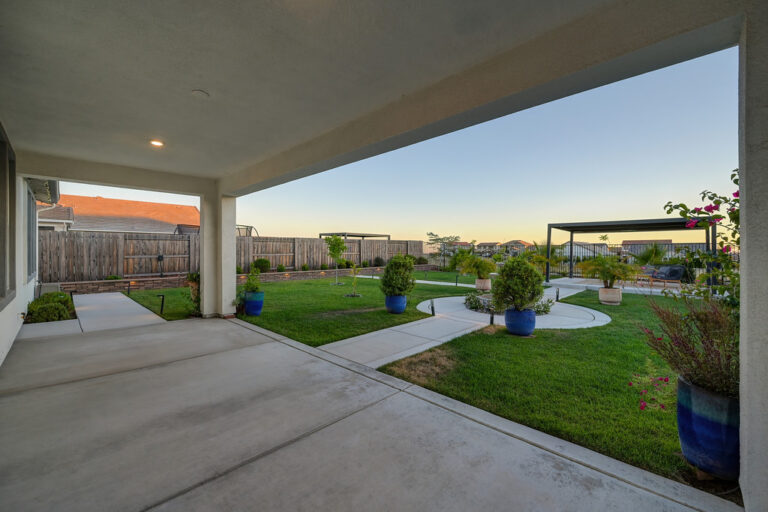
Choosing the best realtor in Roseville, CA really comes down to finding the right fit for how you like to make decisions. Some people want straight talk on pricing and repairs. Others care most about marketing, or about not feeling rushed. For many Roseville and Rocklin buyers and sellers, Steve & Heather Ostrom fit that “best” box because they stay local, stay practical, and stay in close contact from the first call to the closing table. They act as hands-on listing and buyer’s agents, laying out clear options, likely outcomes, and timing so you can move at a pace that feels right and still stay competitive in the current real estate market.
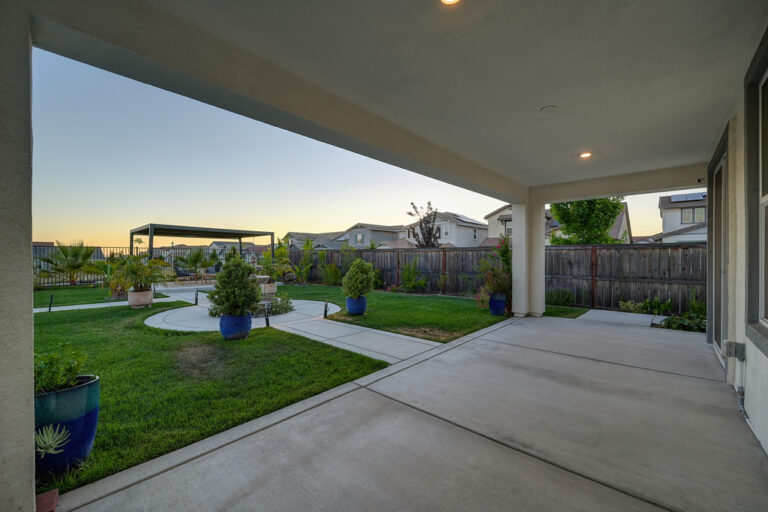
Why Steve & Heather Ostrom Are a Strong Choice in Roseville, CA
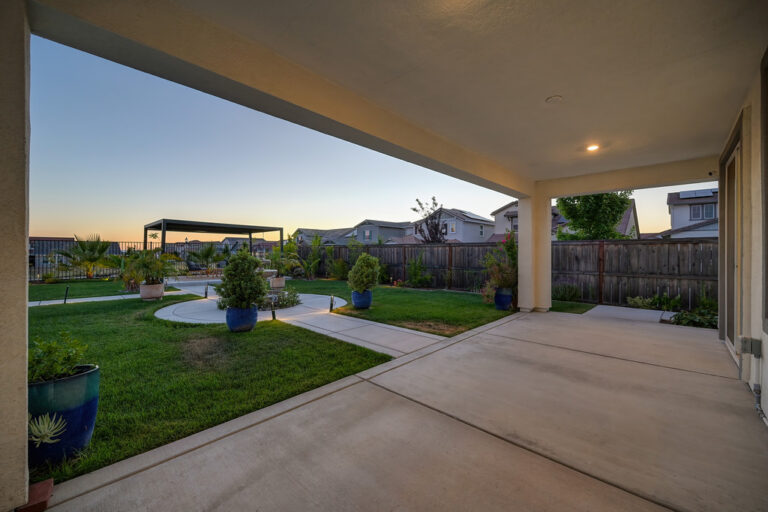
If you’re looking for a real estate agent in Roseville, you’re not short on names. What people really need to know is how an agent works day to day. The Ostroms’ approach is simple: set expectations early, communicate clearly, and stick to the plan. This is usually where clients exhale.
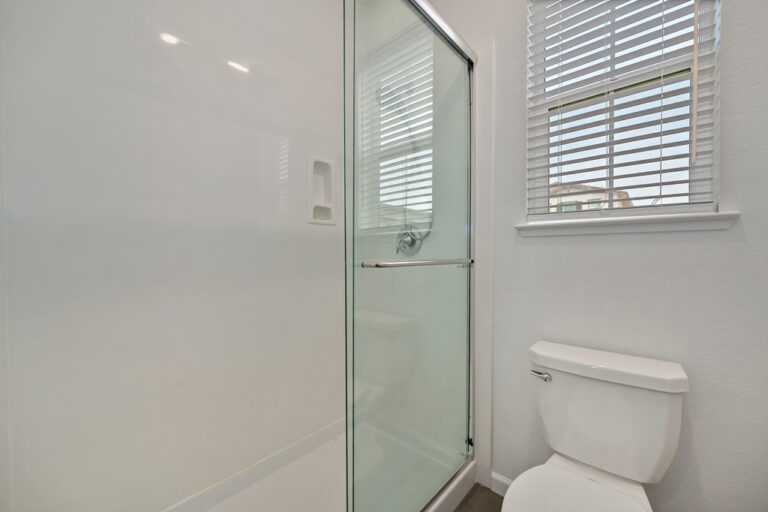
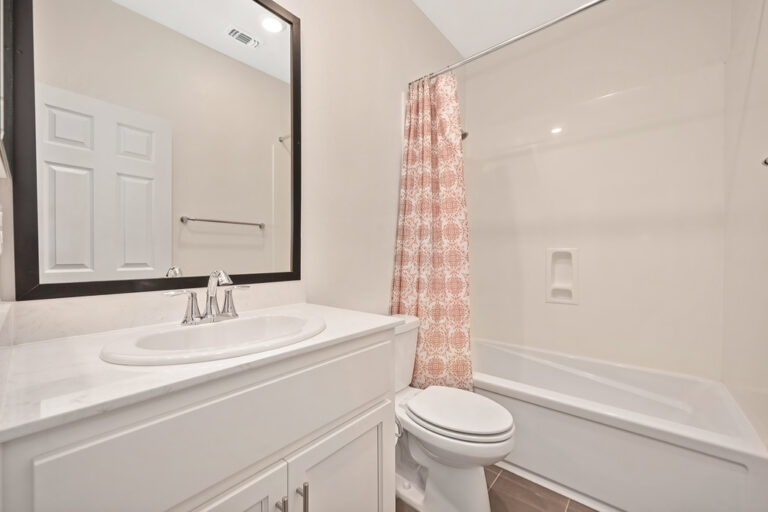
As a husband-and-wife REALTOR® team with Coldwell Banker Realty, they combine local real estate knowledge in Roseville, Rocklin, and South Placer with a very direct communication style. They walk sellers through pricing, prep, and marketing without sugarcoating. For buyers, they translate neighborhood details, condition, and contract terms into plain language so decisions feel grounded, not rushed.
They also stay personally involved. You’re not handed off to an assistant halfway through. When questions come up about a listing, an appraisal, or a repair request, you’re talking with Steve or Heather, not a call center.
Proven Results and Track Record
The Ostrom team brings a long-running track record to the Roseville and Rocklin real estate market. Over their career, they have closed 571+ sales and managed more than $235,000,000+ in real estate volume for buyers and sellers across South Placer.
They’ve built that production by staying focused on client-first planning, polished listing presentation, and steady follow-through from first conversation to keys or closing documents. It’s a numbers-backed history of seeing transactions through, even when surprises pop up with inspections, appraisals, or buyer financing.
What Clients Say About Working with Steve & Heather Ostrom
Client feedback across major real estate and review platforms tends to circle the same points: responsive, prepared, and easy to work with. People mention that calls and texts get answered, that questions don’t get brushed aside, and that they feel looped in at each step of the transaction.
Sellers often comment on how organized the listing and showing process feels, from photos and video to feedback after open houses. Buyers talk about straight answers on value, condition, and how strong an offer really needs to be. That kind of consistency doesn’t happen by accident; it comes from the same process run over and over. She’ll slow down here if you need more detail.
Local Expertise Across Roseville, CA and Nearby Areas
Steve & Heather are based in Roseville and work across Rocklin and the greater South Placer area, so they’re dealing with these streets every day, not reading about them online. You’ll see that in the way they talk about different parts of town, traffic patterns, and how certain locations tend to price relative to others.
They pay close attention to things that affect both buyers and sellers: HOA rules, Mello-Roos assessments in newer communities, insurance questions where fire maps intersect the Placer County edges, and how different property types respond to changing real estate market trends. This is usually when buyers lean in.
They’re also comfortable talking through school district boundaries at a high level, common commute routes toward Sacramento along I-80, and where most people run daily errands around Douglas Boulevard and the Galleria/Creekside corridor. That mix of neighborhood nuance and practical logistics helps their clients filter quickly to the right home, not just any home.
2026 Market Snapshot for Roseville, CA
Median sale price: $625,000
Median days on market: 19
Average price per square foot: $331
Homes sold in the last month: 170
For buyers, that kind of pace means being prepared with lending and strategy before stepping into showings. For sellers, it points to a market where sharp pricing, condition, and marketing still matter, but well-prepared listings can draw strong interest without sitting too long.
Buyer & Seller FAQs About Steve & Heather Ostrom
Are Steve & Heather Ostrom full-time real estate agents in Roseville, CA?
Yes. Real estate is their full-time work and has been for many years in the Roseville and Rocklin area. They treat each listing and purchase as a full project, from prep and pricing to negotiation and closing, rather than something handled on the side of another job.
How do they help a seller who needs to move quickly in Roseville?
When a seller needs to move fast, the Ostroms start with a tight timeline and a realistic pricing and prep plan. They’ll prioritize only the repairs and touch-ups that actually move the needle, schedule photography and marketing efficiently, and keep feedback from showings flowing so you can pivot if needed.
Can Steve & Heather represent both buyers and sellers in Roseville?
They work as listing agents and as buyer’s agents across Roseville, Rocklin, and nearby Placer County communities. For some clients, they handle a sale and purchase back-to-back. They’re clear about agency, who they represent in each situation, and how to avoid conflicts so everyone understands where loyalties sit.
Do they provide cash offers or investor options for homes in Roseville?
They focus on traditional listing and buyer representation but are familiar with investor and cash-offer scenarios in the local real estate market. When that’s relevant, they’ll walk you through how investor terms compare to an open-market listing, so you can weigh speed, pricing, and certainty side by side.
What’s the best way to choose if they’re the right agents for my situation?
The fastest way is a direct conversation. Come with your questions about timing, budget, repairs, and your comfort level with risk. Pay attention to how clearly they lay out options and next steps. If their communication style feels straightforward and you leave with fewer question marks, that’s a good sign.
About Steve & Heather Ostrom & How to Get in Touch
Steve & Heather Ostrom lead a client-first real estate team with Coldwell Banker Realty in Roseville, serving Rocklin and the broader South Placer area. Their work centers on clear expectations, steady communication, and a defined plan so buyers and sellers know what is coming next rather than guessing.
For sellers, they handle honest pricing conversations, listing prep, staging guidance, photography and video, and targeted digital exposure, plus regular updates from showings through offers. For buyers, they dig into street-by-street comps, condition and upgrade value, HOA and Mello-Roos details, and contract terms so each step feels informed, not rushed.
They can be reached directly by phone or email through their Coldwell Banker Realty office in Roseville. If you’re thinking about buying or selling in Roseville or Rocklin, a quick call is usually enough to see whether their style lines up with how you like to make decisions.
Figuring out exactly how much house you can afford in the current market requires looking past the basic sticker price. Buyers navigating the local real estate landscape in 2026 need to account for a unique mix of county taxes, utility rates, and shifting insurance premiums.
Understanding your true purchasing power means evaluating your gross monthly income against the specific carrying costs found in Placer County. This guide breaks down the exact figures and local factors you need to build an accurate budget for a Roseville home.
Understanding 2026 Roseville Home Prices
The local market has established a clear baseline this year, with the median home price sitting at approximately $720,000. This figure provides a helpful starting point, but actual property values vary significantly depending on the property type and exact location.
Entry-level buyers can often find more accessible price points by looking at condominiums near the Westfield Galleria. Those seeking larger single-family homes will see prices stretch well above the median near recreation hubs like Mahany Park.
These baseline values directly dictate your minimum down payment requirements. Expecting to pay the median price means you need to prepare a down payment strategy that aligns with a $720,000 purchase. My strongest advice for buyers is to focus on specific property types rather than getting distracted by the overall median number.
Factoring in Roseville’s Carrying Costs
Your monthly payment involves much more than just principal and interest. Placer County imposes specific property taxes and localized assessments that drastically alter your bottom line.
Buyers looking in newer master-planned developments must pay special attention to Mello-Roos assessments. These localized bonds fund infrastructure and can add thousands of dollars annually to your tax bill in specific neighborhoods.
Evaluating your budget requires a realistic look at these ongoing monthly and annual expenses. Here is a breakdown of the typical carrying costs you will encounter in the area:
Property Taxes: The effective property tax rate in Placer County ranges from 1.07% to 1.30%, not including potential Mello-Roos fees in areas like Fiddyment Farm or Westpark.
Utilities: Residents benefit heavily from Roseville Electric, which averages just $154 per month – a massive savings compared to neighboring utility providers.
Homeowners Insurance: Average California home insurance policies currently range from $1,335 to $1,674 per year, though exact premiums depend heavily on geographic fire zones.
HOA Fees: Master-planned communities carry monthly dues, ranging from roughly $50 to $150 in Westpark up to $225 in Sun City.
The undeniable advantage of buying here is the local utility structure. Capitalizing on Roseville Electric rates gives buyers hundreds of dollars in monthly budget flexibility that they simply do not get in surrounding cities.
How Location Features Impact Property Values
Proximity to major transit routes plays a massive role in local property valuation. Homes offering quick access to Highway 65 and Interstate 80 command higher prices due to the reduced commute times.
Distance to major regional employers also shapes neighborhood demand and pricing structures. Properties located within a short drive of the Hewlett Packard Enterprise campus consistently see higher baseline values and sustained buyer interest.
Zoning boundaries for the Roseville Joint Union High School District act as another major pricing factor. Homes falling within specific school boundaries retain their value and often trigger bidding competition. Buyers should prioritize the location features that actually impact their daily routine, rather than paying a premium for highway access they rarely use.
Calculating Your True Buying Power
Lenders determine your maximum loan amount by evaluating your debt-to-income ratio against your gross monthly income. Most underwriters want to see your total monthly debt payments stay below 36% to 43% of your pre-tax income.
The type of mortgage you select will dictate how much cash you need upfront. FHA loans offer lower barriers to entry with smaller down payment requirements, while conventional loans often provide better long-term interest rates for those with strong credit.
Using a local mortgage calculator is the best way to estimate your complete payment breakdown. My advice is to keep your target housing payment well below your maximum approval limit to ensure you maintain a comfortable financial cushion.
Frequently Asked Questions
Are there homebuying assistance programs in Roseville, CA?
Local buyers have access to several programs designed to help with affordability and upfront costs. The California Housing Finance Agency provides state-level down payment assistance for qualified applicants. Buyers should also explore the City of Roseville Affordable Purchase program, which periodically offers localized support for first-time buyers.
How much are closing costs on a $500,000 house in Roseville?
Closing costs typically range from 2% to 5% of the total purchase price. For a $500,000 home, you should expect to pay approximately $10,000 to $25,000 in closing fees. These funds cover appraisal fees, title insurance, loan origination, and prepaid property taxes.