

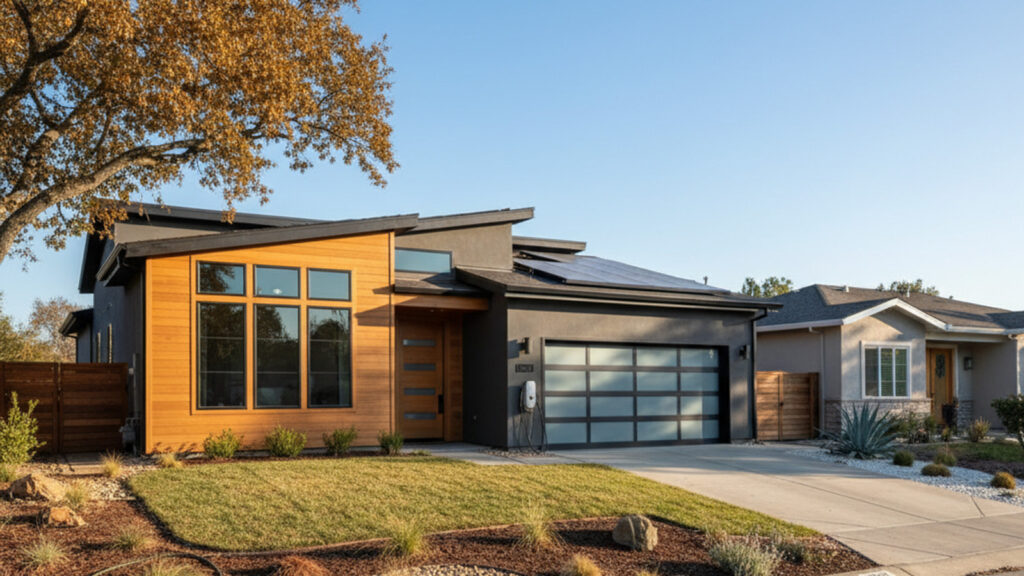
Placer County has seen consistent growth over the last decade, and the city of Roseville remains a primary destination for buyers relocating to the Sacramento metropolitan area. The local housing market offers a distinct blend of established neighborhoods and expansive new construction zones. Understanding the nuances of this area is critical for anyone looking to purchase a home here in 2026.
Buyers exploring homes for sale in Roseville often prioritize the area’s robust commercial amenities, extensive trail systems, and straightforward commuting routes. The city balances a large-scale retail infrastructure with immediate access to outdoor recreation along Dry Creek and nearby Folsom Lake. Navigating local property taxes, specific neighborhood fees, and the current inventory environment requires a clear, objective approach.
Relocating to a new city involves analyzing everything from daily traffic patterns to the specifics of local school districts. The real estate landscape here moves quickly, demanding that prospective residents arrive with a solid grasp of baseline property values and regional logistics. This guide outlines the exact data and local insights you need to make an informed decision about moving to this part of California.
The Roseville Real Estate Market and Home Prices
The real estate landscape in Roseville presents a competitive environment for prospective buyers as we move through the spring of 2026. Active listings on the MLS remain relatively low, creating a tight inventory situation that requires buyers to act decisively when a property matches their criteria. The median home price currently sits at approximately $640,000, reflecting the ongoing demand for property within Placer County.
Property types vary significantly depending on which side of the city you explore during your home search. The western expansion areas feature a heavy concentration of new builds and modern single-family homes with updated energy efficiencies. Conversely, the eastern and central corridors offer established homes with mature landscaping and larger lot sizes.
Many neighborhoods in western Roseville and nearby Rocklin are governed by local HOAs and carry Mello-Roos assessments. These special tax districts fund local infrastructure like roads and utility expansions, but they can add hundreds of dollars to a buyer’s total monthly housing payment. Understanding these localized fees is the most critical step in determining true purchasing power in this market.
Buyers transitioning from higher-priced coastal markets often find the price per square foot here highly attractive. The local market moves quickly, meaning buyers must have their financing fully secured before touring homes. Working closely with a local lender ensures you can submit a competitive offer the moment a suitable property hits the market.
Cost of Living in Roseville vs. California Benchmarks
Evaluating the cost of living in Roseville requires looking at both state and national benchmarks to get a complete financial picture. Residents here experience a cost of living that sits comfortably below the broader California average, offering a financial reprieve compared to major coastal hubs. However, the local index still runs approximately 20 percent higher than the national average.
Housing and local utility costs serve as the primary drivers of this elevated regional index. For those opting to lease before buying a home, the rental market is highly active across all property types. Typical rent estimates currently range from $2,400 to $2,500 per month for a standard single-family residence or a premium apartment unit.
Local property taxes also play a major role in long-term affordability for homeowners in Placer County. The baseline property tax rate generally hovers around 1 to 1.25 percent of the assessed property value. Buyers must review the specific tax profile of a property before submitting an offer to ensure it fits their long-term financial strategy.
Everyday expenses like groceries, transportation, and healthcare align closely with the broader Sacramento metropolitan area averages. While gasoline prices mirror the typical California premium, the overall tax burden remains manageable for most relocating buyers. Planning for these specific regional costs helps ensure a smooth financial transition into the area.
Transportation Infrastructure and Sacramento Commute Times
Commuting logistics are a central focus for anyone moving to Roseville, especially those retaining employment in the state capital. The primary driving routes rely heavily on Interstate 80 and State Route 65, which intersect near the city’s major commercial centers. Traffic patterns on these specific corridors dictate the daily schedule for thousands of regional commuters.
Driving commute times to downtown Sacramento vary drastically based on departure times and seasonal traffic fluctuations. During non-peak hours, drivers can expect a straightforward 25 to 35-minute trip down the interstate. Navigating this same route during peak rush hour stretches the commute to a standard 45 to 60-minute window.
Public transit provides a viable alternative for those looking to avoid highway congestion during the workweek. Roseville Transit operates dedicated commuter routes that average about a 60-minute transit time to downtown Sacramento. These localized bus services feature park-and-ride lots that simplify the daily departure process.
The local Amtrak station offers regional train travel departing directly from Roseville. This rail access connects residents to the wider Northern California corridor, including straightforward routes into the Bay Area. Integrating these transit options into your home search can drastically alter which neighborhoods best serve your daily routine.
Local Institutions: Schools and Healthcare Centers
Institutional infrastructure forms the backbone of the local community, with distinct educational and medical networks serving the area. The educational landscape is primarily managed by two distinct bodies: the Roseville City School District and the Roseville Joint Union High School District. These districts oversee dozens of campuses spread across the city and into neighboring jurisdictions.
Because attendance boundaries do not always align perfectly with city limits or specific subdivisions, verifying school zoning is an essential step in the home-buying process. Buyers targeting specific campuses must consult current district maps rather than relying on a property’s zip code. The most successful real estate transactions happen when buyers verify these boundaries during the initial property search.
On the medical front, Sutter Roseville Medical Center operates as a major healthcare provider and a cornerstone economic anchor in the region. This expansive campus provides specialized care, trauma services, and serves as one of the largest employers in Placer County. Its central location ensures that emergency services and routine care remain highly accessible.
A robust presence of other commercial health networks surrounds this main medical center, ensuring comprehensive care access for local residents. Numerous outpatient clinics, dental offices, and specialized medical suites line the primary commercial corridors. This dense concentration of medical professionals significantly boosts the local economy while providing top-tier services to the community.
Amenities, Commercial Hubs, and Recreation
The commercial footprint in Roseville is recognized throughout the Sacramento metropolitan area as a premier destination for retail and dining. The major retail corridors are anchored by the Westfield Galleria at Roseville, which houses high-end retailers and extensive dining options. Just across the street, the Fountains at Roseville provides an open-air shopping experience that draws visitors from across the entire region.
Beyond the modern retail centers, the historic downtown area maintains a distinct and vibrant business footprint. This corridor features local restaurants, boutique shops, and community events that contrast with the large-scale commercial developments on the highway 65 corridor. It offers a more traditional, walkable district that highlights the city’s architectural history.
Outdoor recreation is equally integrated into the city’s design, with extensive trail systems connecting various residential neighborhoods. Miner’s Ravine Trail offers miles of paved pathways for cyclists and pedestrians navigating the local landscape. Maidu Regional Park provides expansive acreage for sports, community gatherings, and historical exhibits.
The city’s proximity to Folsom Lake allows residents to access major water recreation within a very short drive. Boating, hiking, and seasonal swimming are easily accessible without requiring a weekend trip to the mountains. This immediate access to both high-end retail and expansive natural environments defines the true value of purchasing a home here.
Frequently Asked Questions About Living in Roseville
What is the cost of living in Roseville, California?
The cost of living in Roseville is lower than the California state average but roughly 20 percent higher than the national baseline. Housing remains the largest monthly expense, with median home prices sitting near $640,000 and typical rents averaging $2,400 to $2,500 per month.
What is the weather like in Roseville year-round?
Roseville experiences a Mediterranean climate characterized by hot, dry summers and mild, wet winters. Summer high temperatures frequently exceed 90 degrees from June through September, while winter lows rarely drop below 39 degrees.
How long is the commute from Roseville to Sacramento?
The typical driving commute from Roseville to downtown Sacramento takes 45 to 60 minutes during peak morning and evening traffic. During off-peak hours, drivers can complete the 20-mile trip down Interstate 80 in approximately 25 to 35 minutes.