

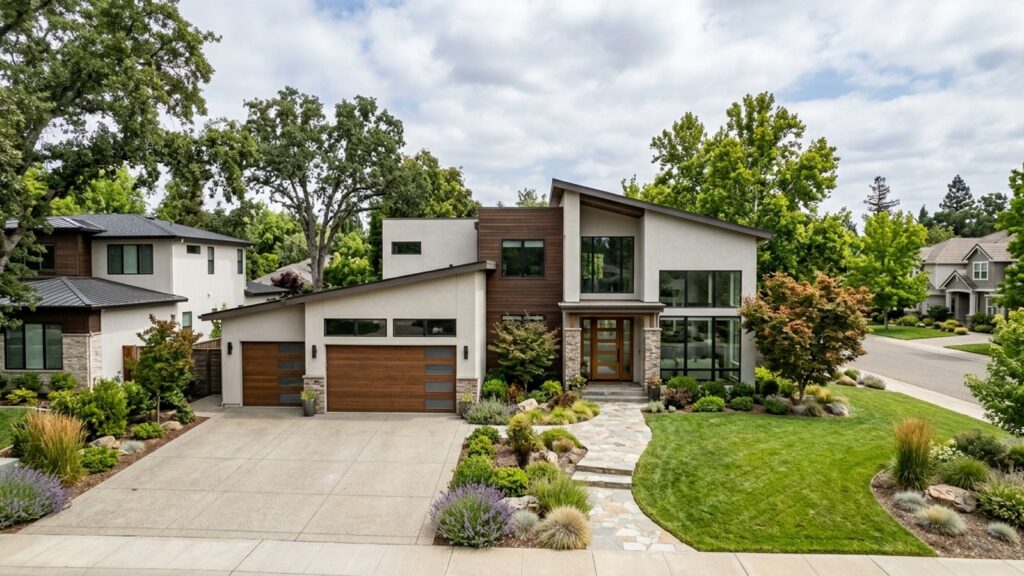
The median home sale price in Roseville, CA sits around $660,000 as of mid-2026. If you’re weighing that against Sacramento, you’re not alone – buyers shopping this region almost always end up comparing the two before they commit to either one. The decision really comes down to three things when evaluating the pros and cons of living in Roseville, CA: housing density, property age, and how much of your day you want to spend in a car.
Roseville moves fast. Homes are spending roughly 21 days on the market before going under contract. Sacramento runs at a different pace and offers a different kind of inventory – dense urban blocks, established mid-century tracts, a broader price range. Neither market is obviously “better.” They’re just genuinely different, and which one fits you depends on where your budget lands and how you actually want to live.
Pricing and Competition in the Local Markets
Roseville’s inventory situation is tight. Just over 340 active listings translates to about a two-month supply – that’s not a lot of cushion for buyers who want time to think. Low supply keeps prices elevated and shortens the window between your first showing and the moment you need to make a decision.
Sacramento casts a wider net geographically, which means more price points and, frankly, more breathing room at the entry level. Some historic neighborhoods there command serious money, but the city overall leans more accessible than Roseville does right now.
Bidding wars aren’t gone from either market, though the intensity shifts by neighborhood and price tier. In Roseville, nearly 40% of homes sell above asking, and the average sale-to-list ratio hovers near 100%. If you’re walking into a showing on a turnkey property expecting to negotiate a discount, adjust those expectations before you write the offer.
Property Types and Neighborhood Layouts
Roseville is largely newer suburban development – planned subdivisions, modern floor plans, attached multi-car garages, larger square footage, parks and paved trail systems built right into the community design. If that sounds like what you’re after, there’s a lot of it out there.
Sacramento is the opposite in almost every way. Victorian homes, mid-century modern ranches, newly built infill properties – sometimes all on the same block. Tree-lined streets, smaller lots, detached garages. It’s a city with genuine architectural variety, which appeals to buyers who find uniformity a little deadening.
The age gap between these two markets matters more than people sometimes realize when they’re shopping. Older Sacramento homes can come with deferred maintenance – roof replacements, updated plumbing, electrical work that the previous owner kept kicking down the road. Roseville’s newer inventory generally sidesteps those immediate structural concerns, but you’re paying for that upfront. There’s no free lunch either way.
Daily Logistics and Commute Patterns
Highway congestion between Roseville and downtown Sacramento is real, and it follows the predictable pattern: slow in the morning, slow in the evening. Before you sign anything, drive your actual commute at your actual departure time. Not a Saturday afternoon test run – the real thing, on a Tuesday.
Utility costs and property tax structures differ between the two cities because they’re governed separately and served by different utility providers. Monthly water, trash, and electricity bills won’t be identical on both sides of that city line. Ask the seller for a full year of utility history. It’s a reasonable request and it gives you actual numbers to work with instead of guesses.
Access to day-to-day amenities also shifts depending on where you land. Sacramento has walkable commercial districts where you can get dinner or run an errand without touching your car. Roseville concentrates its shopping and dining in large commercial plazas, and getting to most of them means driving. That’s not a criticism – it’s just the infrastructure, and it’s worth factoring in if walkability matters to you.
Frequently Asked Questions
Is it more expensive to buy a house in Roseville or Sacramento?
Generally, yes – Roseville carries a higher median purchase price. At roughly $660,000, the cost of housing reflects newer construction and larger suburban lots. Sacramento’s wider variety of neighborhoods pulls its overall median down and keeps more entry-level options in play.
How do utility costs and property taxes in Roseville compare to Sacramento?
They vary, because the two cities are separate municipalities served by different utility providers. You’ll find differences in electricity rates and municipal service fees, though the specifics depend on the property. Request past utility bills from the seller – that’s the only way to compare real monthly costs, not estimates.
How long is the daily commute from Roseville to downtown Sacramento?
It depends entirely on when you leave. Off-peak, the drive is relatively quick. During morning and evening rush hours, congestion on the highway corridors slows things down considerably. Plan for variable travel times on peak workdays and test the drive yourself before you commit.
Am I more likely to face bidding wars buying a home in Roseville or Sacramento?
Both markets see competition, but Roseville’s two-month supply keeps the pressure consistent. Nearly 38% of Roseville homes sell above list price, which tells you multiple-offer situations are routine rather than exceptional. Sacramento has its own bidding-war pockets, particularly for updated homes in historic neighborhoods.
Why do homebuyers often choose Roseville over Sacramento for raising a family?
Buyers looking for space tend to gravitate toward Roseville – master-planned subdivisions, larger homes, extensive park systems, newer recreational facilities, floor plans built for bigger households. Sacramento pulls buyers who want urban amenities, historic architecture, and a shorter commute downtown. It’s less about one being better and more about which trade-offs you’re willing to make.
Do home values appreciate faster in Roseville, CA or Sacramento?
It shifts with economic conditions and inventory. Roseville saw a modest year-over-year median price increase of about 3.6% recently. Sacramento’s appreciation varies a lot by neighborhood – some revitalized urban pockets have seen rapid gains while other areas have stayed relatively flat. Neither city moves as one uniform block.