Header Coldwell Banker Realty Logo 2020
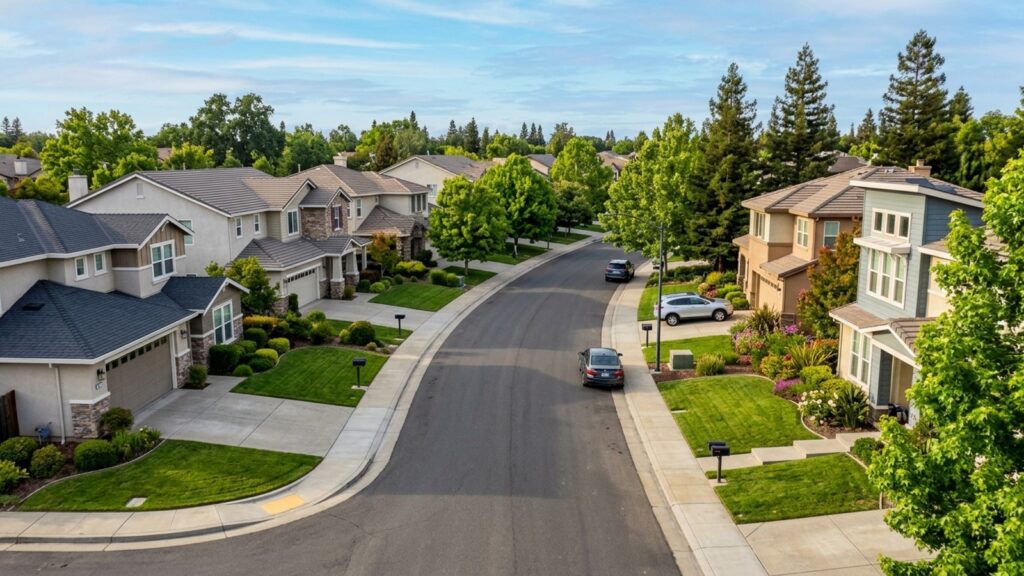
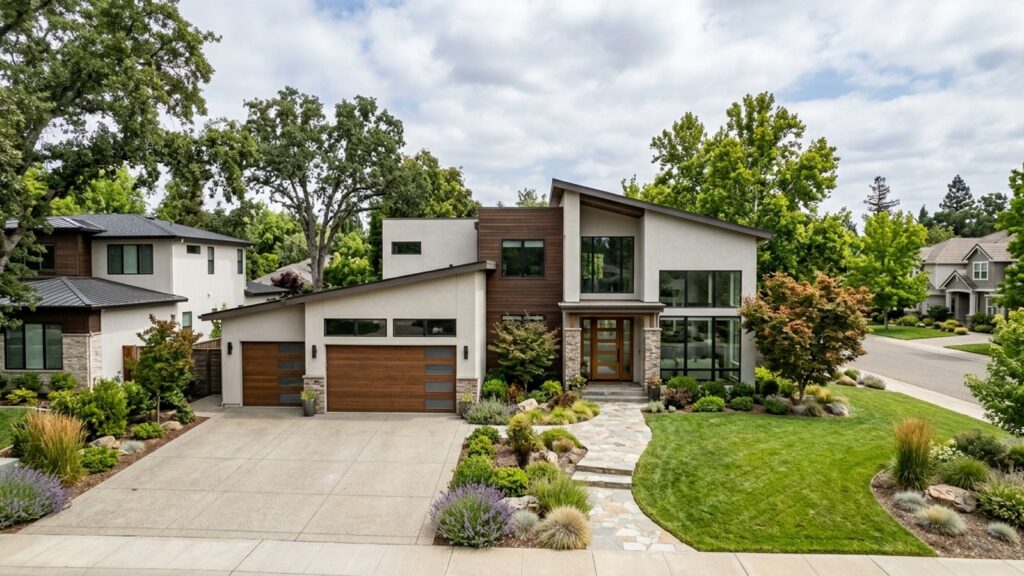
Tree-lined suburban street with modern houses

Living in Sierra Vista, Roseville: The Local’s Guide to New Construction & Realities

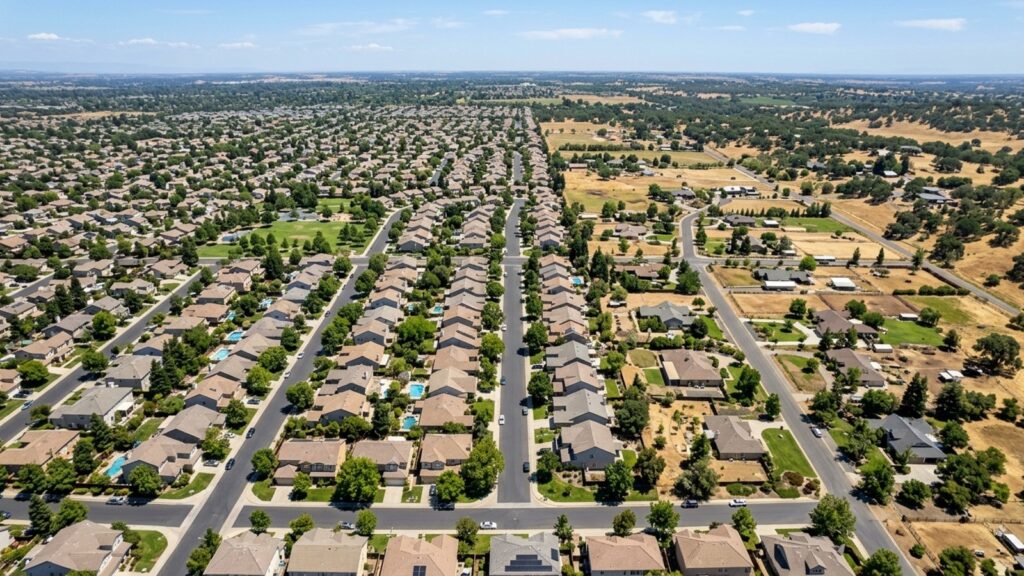
If you are looking for brand-new homes in the Sacramento region, you have almost certainly stumbled across Sierra Vista. Located in the far western reaches of Roseville (Zip 95747), this master-planned community has become one of the busiest hubs for new construction in the entire area.

However, there is a lot of confusion out there. If you’ve been Googling the name, you might be wondering where the “lazy river” is or why the school ratings look different than the rest of West Roseville.

Let’s clear the air. Sierra Vista is a distinct community located west of Fiddyment Road and north of Baseline Road. It is the “path of progress” for the city, meaning it offers modern infrastructure and the latest energy codes, but it is distinct from its neighbor, Fiddyment Farm. Most importantly, this is Roseville, California—not the town in Arizona, and definitely not the community in Texas with the resort amenities.

Here is the honest breakdown of what it’s actually like to buy and live here.


Builders and Neighborhoods: Who is Building in Sierra Vista?

When you drive down Westbrook Boulevard today, you are seeing a massive coordination of different builders. Unlike older neighborhoods where custom homes pop up one by one, Sierra Vista is organized into “Villages,” each built by specific developers with their own distinct styles.

JMC Homes is arguably the dominant player in this specific plan. They have developed multiple communities here, including Inspiration, Sentinel, Highline, and Overland. If you are touring these models, pay attention to the differences in lifestyle. For example, the Highline village often features single-story floor plans that appeal to active adults or those wanting to avoid stairs, though it is not an age-restricted community.

Woodside Homes is another major builder you will see, specifically with their Summerfield tract. They tend to focus on flexible floor plans that cater to modern work-from-home needs. You will also see Anthem Properties with their Kindred line, offering a slightly different architectural aesthetic.

One major advantage of buying in Sierra Vista compared to older Roseville resale homes is the energy standard. Most of these homes come with Owned Solar systems included in the purchase price. In older parts of town, you often inherit a solar lease or PPA, which can be a headache during escrow. Here, you own the power generation from day one.


The Truth About Amenities: Gyms, Parks, and HOA

This is where I have to stop the rumor mill. If you saw a photo on Google Images of a massive “Amenity Village” with a crystal clear lagoon and a lazy river, you are looking at Sierra Vista, Iowa Colony, Texas.

Sierra Vista, Roseville does not have a lazy river.

What it does have is a robust network of public parks and trails. The centerpiece is Sierra Vista Park, which serves as a gathering spot for the neighborhood. The community is designed to plug into the larger Roseville trail system, which is fantastic for runners and cyclists who want to clock miles without crossing major highways.

Regarding HOAs, it varies by village. Some tracts, like Inspiration by JMC, are gated communities. In these specific pockets, you will pay a monthly HOA fee that covers the maintenance of the private roads and the gates. However, these HOAs typically do not include a private clubhouse or gym. Residents here generally utilize the city’s public facilities, like the nearby Mahany Park Sports Center, or join private gyms in West Roseville.


Schools and Districts: Center Joint vs. Roseville City

If you are moving here for the schools, you need to pay very close attention to the district boundaries. This is the number one source of confusion for buyers moving from out of the area.

While West Park just up the road falls into the Roseville City School District (RCSD), a significant portion of Sierra Vista falls into the Center Joint Unified School District (CJUSD). This includes schools like Wilson Riles Middle School and Center High School.

This is not a matter of one being “good” and the other “bad,” but they are different administrative districts with different ratings and boundaries. Because the lines in West Roseville can literally split a street, you should never assume a home is in a specific district based on a map you saw online. Always verify the school district by the specific lot address before writing an offer.


Investment Potential: Mello-Roos and Future Growth

When looking at the monthly budget for a home in Sierra Vista, you have to look beyond the mortgage principal and interest.

Because this is a new master-planned community, the infrastructure (roads, sewers, streetlights) is funded through Mello-Roos bonds. These are special tax assessments that sit on top of your standard 1.1-1.2% property tax base. Generally speaking, the tax load here will be higher than in established East Roseville neighborhoods where these bonds have been paid off.

However, you are paying for future growth. The expansion of Westbrook Boulevard and Baseline Road has drastically improved connectivity to Sacramento and the airport. While you currently have to drive a bit to reach the nearest Safeway or Raley’s, commercial zoning is planned along the major thoroughfares. As the rooftops fill in, the retail follows. Buying here is a play on the long-term appreciation of a developing area.


Safety and Livability in West Roseville

So, what does it feel like to live here? Right now, Sierra Vista has a “sparse suburban” feel. You are on the edge of the city, meaning you have construction on one side and open space on the other.

In terms of safety, West Roseville generally reports low crime statistics. The police and fire presence is strong, and most reported incidents in developing areas tend to be property crimes related to active construction sites rather than residential issues.

The demographic mix is shifting as well. While it used to be just young homebuyers chasing affordable square footage, we are seeing a large influx of retirees and empty nesters who want brand new, low-maintenance homes with warranties. It creates a quiet, grounded atmosphere where neighbors tend to look out for one another.


Frequently Asked Questions

Does Sierra Vista Roseville have a community pool or gym?

No, the Roseville community generally does not have a private clubhouse, pool, or gym. The photos of a “resort-style” pool often seen online belong to the Sierra Vista community in Texas. Residents here use public City of Roseville facilities or private local gyms.


What school district serves Sierra Vista Roseville?

Most of Sierra Vista is served by the Center Joint Unified School District, unlike neighboring West Park which is largely Roseville City School District. Always verify the specific school assignment for any home you are interested in.


How much are HOA fees in Sierra Vista Roseville?

It depends on the village. Gated neighborhoods like Inspiration have monthly HOA dues to maintain the gates and private streets. Non-gated streets generally do not have an HOA fee, though all homes will have Mello-Roos assessments.


Is Sierra Vista, CA the same as Sierra Vista, AZ?

No. Sierra Vista, Arizona is a city in Cochise County, AZ. Sierra Vista, Roseville is a master-planned residential community within the city of Roseville, California (Zip Code 95747).

Living in Sierra Vista, Roseville: The Local’s Guide to New Construction & Realities Read More »

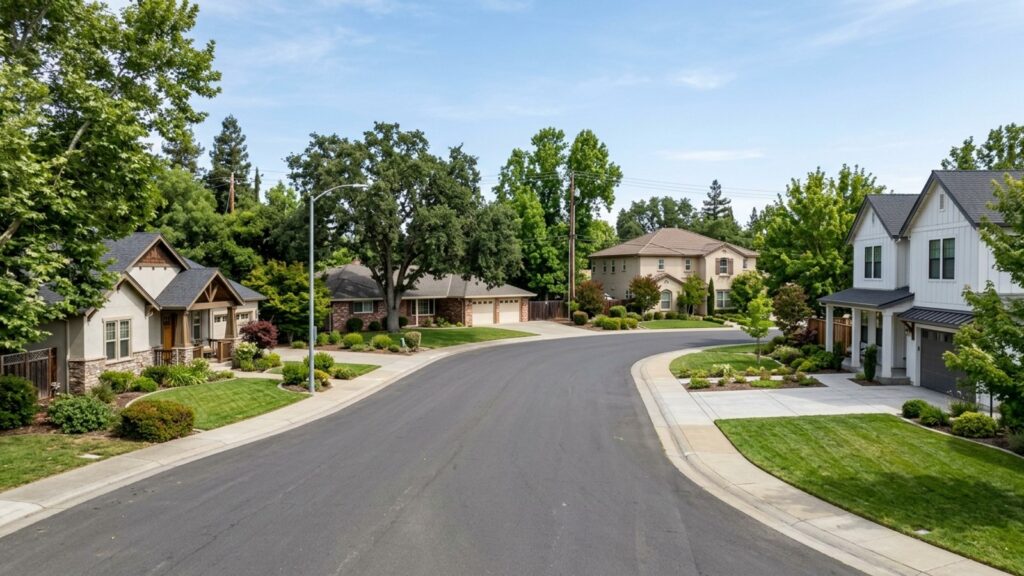
Tree-lined suburban street with oak canopy

Living in Johnson Ranch, Roseville, CA

If you are looking for a neighborhood that strikes the perfect balance between an active lifestyle and a quiet, established atmosphere, Johnson Ranch in Roseville needs to be on your radar. Located in the highly desirable 95661 zip code, this area sits right on the border of Granite Bay, offering the prestige of East Roseville without the pretension.

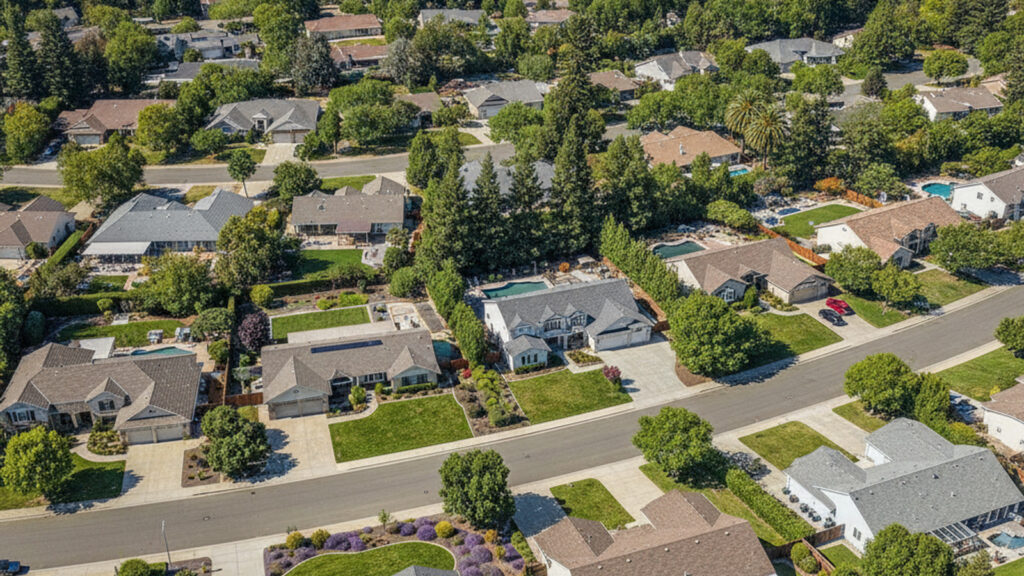
Unlike the newer, master-planned communities in West Roseville where the trees are still saplings, Johnson Ranch is defined by mature oaks, wide streets, and a distinct lack of cookie-cutter construction. It feels settled and grounded. For many buyers, the biggest draw isn’t just the homes themselves – it is the focus on health and wellness, anchored by one of the best sports complexes in the region.

Let’s take a closer look at what it is actually like to live here, from the amenities and housing market to the schools that drive demand.


Current Status: Did Johnson Ranch Burn Down?

Before we dive into the lifestyle, we need to address a very common, slightly confusing rumor that pops up in search results. I have had clients ask me, “Wait, is the neighborhood open? Did Johnson Ranch burn down?”

The short answer is: No.

Johnson Ranch in Roseville, CA, is fully open, safe, and operational. The confusion almost always stems from “Johnson Ranch” in San Tan Valley, Arizona, which has experienced significant fires in recent years. Because the names are identical, news stories and search algorithms often get crossed.

Rest assured, the Johnson Ranch Sports Club is open and thriving as of 2026, and the neighborhood remains green and intact. There are no closures or fire damage affecting this Roseville community.


The Heart of the Community: Johnson Ranch Sports Club

If you talk to locals about why they moved here, the conversation almost immediately turns to the Johnson Ranch Sports Club. It is important to note that this isn’t a standard HOA amenity; it is a private club, but it functions as the social and recreational heartbeat of the area.

The club is so extensive that it is actually split into two campuses along Eureka Road – North and South – and it offers a resort-style experience that rivals expensive country clubs.

Here is what draws people in:

  • Massive Court Access: This is a paradise for racquet sports. We are talking about roughly 25 tennis courts and a staggering 28 pickleball courts. Whether you are a competitive player or just learning, you will find a game here.
  • Aquatics: The club features multiple heated swimming pools. This answers the common buyer question, “Where can I swim year-round?” They also have a wading pool for younger swimmers.
  • Family Focus: Beyond just lifting weights, the club offers a Play Center for childcare and a Kids’ Club, making it easier for parents to get a workout in while knowing their children are engaged.

For many residents, the monthly dues are a no-brainer because the club replaces the need for a separate gym, pool membership, and social club.


Johnson Ranch Real Estate Market

When you look at homes for sale in Johnson Ranch, you are going to see a different product than what is available in the newer parts of Placer County. Most of these homes were built in the 1980s and 1990s. This means you get character – think custom and semi-custom designs rather than five streets of the exact same floor plan.

The lots here tend to be larger than the high-density plots you find in new construction areas. You have room for a backyard garden, a personal pool, or just space between you and the neighbor’s fence.


The Financial Advantage: Mello-Roos

One of the biggest financial perks of buying in an established neighborhood like Johnson Ranch is the tax situation. Unlike many newer developments in West Roseville that come with high Mello-Roos (special tax) bonds, homes in Johnson Ranch often have no Mello-Roos or very low assessments.

This can make a huge difference in your monthly budget. A $800,000 home here might cost you significantly less per month than an $800,000 home in a brand-new development once you factor in the tax bill.


Price Expectations

Generally, you should expect prices to range from the high $600Ks up to over $1M for larger, updated custom estates. The market here is stable because inventory is usually low; once people move in, they tend to stay for a long time.


Safety & Crime: Is Johnson Ranch Safe?

Safety is a top priority for anyone moving to a new area. Generally speaking, Johnson Ranch is considered a safe, low-crime community, consistent with the standards of East Roseville and Granite Bay.

Violent crime is very low here. When crime does occur, it is almost exclusively property crime – specifically car break-ins or “porch piracy.” This is a common issue in many affluent suburbs where thieves target unlocked cars in driveways.

The neighborhood benefits from an active community presence. Because many residents have lived here for decades, neighbors know each other. It is common to see people walking dogs or jogging at all hours, which provides a natural “neighborhood watch” effect. If you check local forums or Nextdoor, you will see a community that is quick to alert one another to suspicious activity.


Schools & Education

For households with students, the school districts are often the deciding factor. Johnson Ranch falls under two highly regarded districts:

  • Grades K-8: Eureka Union School District. This district is known for small class sizes and high academic performance.
  • Grades 9-12: Roseville Joint Union High School District.

Depending on the specific street address, students typically feed into Olympus Junior High and often Granite Bay High School, though boundaries can shift, so it is always smart to verify the specific address with the district before closing. These schools consistently rank among the top in the region for both academics and athletics, which helps maintain strong property values in the neighborhood.


Location & Nearby Amenities

While the Sports Club is the main attraction, the location of Johnson Ranch offers plenty of other conveniences. You are situated right off Douglas Boulevard and Eureka Road, giving you easy access to I-80 for commuting toward Sacramento.

Nearby highlights include:

  • Maidu Regional Park: Just a stone’s throw away, this massive park features a library, sports fields, batting cages, and wonderful walking trails through open space.
  • Shopping & Dining: You are minutes from the Renaissance Creek Shopping Center, which anchors a Safeway and various dining options.
  • Healthcare: For medical professionals or those with health concerns, the neighborhood is incredibly close to both Kaiser Roseville and Sutter Roseville Medical Center.


Frequently Asked Questions

Did Johnson Ranch in Roseville burn down?

No. This is a common mix-up with Johnson Ranch in San Tan Valley, Arizona, which has suffered from wildfires. The Johnson Ranch neighborhood in Roseville, CA, has not burned down and is fully safe and open.


Does Johnson Ranch Sports Club have a pool?

Yes, the club features extensive aquatic facilities. This includes multiple heated swimming pools for lap swimming and exercise, as well as designated areas for leisure and wading.


Is Johnson Ranch a gated community?

Generally, no. Most of Johnson Ranch consists of public streets that are open and accessible. However, there may be small, specific pockets or custom cul-de-sacs nearby that have private gates, but the neighborhood as a whole is not gated.


What zip code is Johnson Ranch Roseville?

The neighborhood is located in the 95661 zip code, which covers East Roseville and borders Granite Bay.

Living in Johnson Ranch, Roseville, CA Read More »

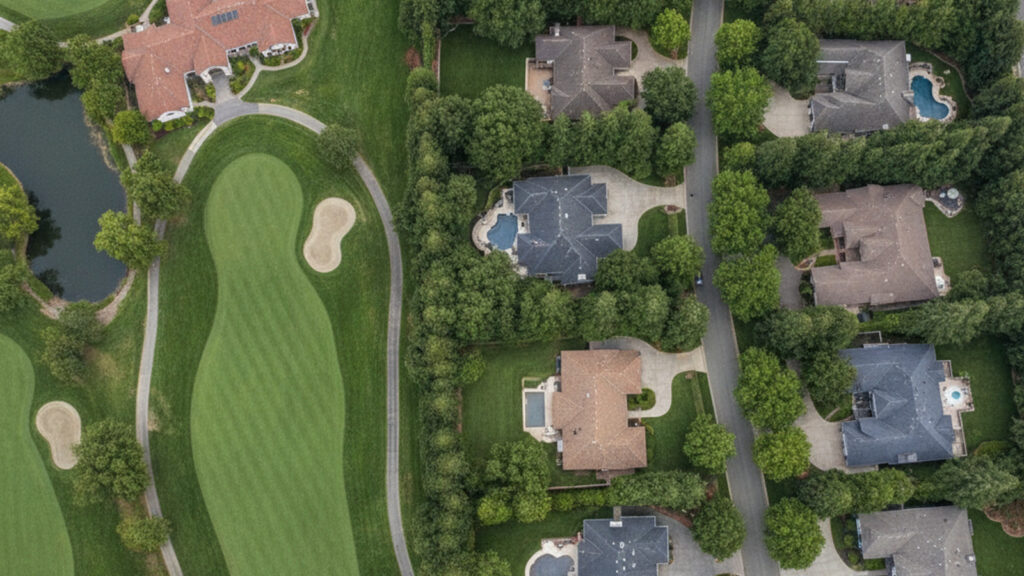
Morning golf course with reflective pond and trees

Welcome to Morgan Creek: Roseville’s Premier Golf Course Community

If you have been keeping an eye on Roseville luxury real estate, you have likely heard the name Morgan Creek mentioned with a certain level of reverence. Located in West Roseville, right where the city borders the peaceful, open spaces of the Dry Creek area, this community offers something unique in Placer County. It’s not just about big houses; it is about a specific pace of life.

Morgan Creek is widely considered one of the most exclusive addresses in the region, primarily because it is a true gated community. We aren’t just talking about a keypad entry that stays broken half the time—this community features 24-hour manned security gates. With approximately 586 homes tucked behind those gates, the vibe here is what I like to call “understated elegance.” It is luxurious and manicured, certainly, but it lacks the pretension you might find in other high-end enclaves.

Residents here enjoy a blend of privacy and community. You have private lakes, tree-lined streets, and a quiet atmosphere that feels miles away from the hustle of the Westfield Galleria, even though major shopping is just a short drive away. If you are looking for gated communities in Placer County that offer genuine security and a cohesive neighborhood feel, this should be at the top of your list.


The Centerpiece: Morgan Creek Golf Club

You can’t talk about living here without talking about the greens. The community is built around the Morgan Creek Golf Club, a stunning course that serves as the visual and social anchor of the neighborhood.

Designed by the renowned architect Kyle Phillips—famous for Kingsbarns in Scotland—the course has a distinct “Heathland” style. It doesn’t feel like your typical California subdivision course. Instead, you’ll find rolling fairways, natural bunkers, and beautiful water features that make for a scenic backdrop whether you play golf or just enjoy the view from your patio.

Here is a detail that often surprises buyers: The golf course is actually a public daily-fee course. You do not have to live inside the gates to play here. However, the club offers memberships (like the Champions Club) for frequent players. For residents, the perk is obvious—you can hop in your own golf cart and head straight to the first tee. The clubhouse is also a major social hub, featuring a restaurant that is popular for Sunday brunch, weddings, and local events.


Morgan Creek Real Estate: Custom Estates & Luxury Villas

When you start looking at homes for sale in Morgan Creek, you will notice the inventory generally falls into two distinct categories. Understanding the difference is key to understanding the price points here.


Custom Estates

The “jewels” of the neighborhood are the custom estates. These are multi-million dollar homes sitting on generous lots, usually ranging from half an acre to over an acre. Many of these properties have prime positioning, backing directly onto the golf course or the private lake. Because they are custom-built, the architectural styles vary, but you will see a lot of Mediterranean, Tuscan, and French Country influences. These homes often feature the kind of amenities you expect at this price point: resort-style pools, outdoor kitchens, and expansive floor plans.


Semi-Custom Villages

Then you have the semi-custom homes, often referred to as “Morgan Creek Village.” These were built by high-end builders like JMC Homes and Lakemont Homes. While the lots are slightly smaller than the custom estates, the quality remains incredibly high. You get the benefits of the gated lifestyle and the manicured surroundings, often at a slightly more approachable price point compared to the massive custom estates.

Regardless of which type you choose, inventory here is historically tight. When luxury homes for sale in Roseville hit the market in this neighborhood, they tend to move quickly, with prices frequently exceeding the $1M to $2M+ mark depending on the square footage and view.


HOA Fees, Amenities, and Lifestyle

Living in a community with this level of upkeep requires a budget, and that comes in the form of HOA fees. It is important to look closely at the numbers when you make an offer.

Because the community is divided into different villages, the HOA fees can vary, generally landing in the $200 to $400+ range per month. It is smart to verify the exact amount for the specific property you are viewing. These fees cover the maintenance of the private roads, the common area landscaping (which is impeccable), and, most importantly, the 24-hour security guards.

Beyond the bills, the lifestyle is what keeps people here. The Homeowners Association and social committees do a great job of fostering connection.

  • 4th of July: The annual Golf Cart Parade is a massive hit, with residents decorating their carts and cruising the neighborhood.
  • Halloween: The “Halloween Mingle” is another staple event.
  • Socials: You will often see flyers for “Yoga & Ice Cream” or other casual meetups at the park.

For outdoor enthusiasts, the community features walking trails that loop around the private lake and parks. It is a very pedestrian-friendly environment where you will constantly see neighbors walking dogs or jogging. It’s also worth noting that some sections of the community may have Mello-Roos taxes, so always review the tax bill during your due diligence.


Local Services & Senior Living Options

One unique aspect of this neighborhood is how well it accommodates different stages of life, including aging in place.

Tucked within the community is the Morgan Creek Residential Care home. This is a boutique, 6-bed residential care facility located inside the gates. It is not a massive institutional building; it looks just like the other luxury villas. This is a significant benefit for residents who want to keep aging parents close by in a safe, familiar environment while ensuring they receive assisted living or memory care services. It speaks to the multi-generational appeal of the area.


Schools and Location Convenience

Even though you feel secluded behind the gates, the logistics of living here are quite convenient.

For those focused on education, the community sits within the boundaries of the Dry Creek Joint Elementary School District (K-8) and the Roseville Joint Union High School District. Many students in the area attend Creekview Ranch School, which serves grades K-8 and is located just outside the community—close enough that it is bikeable for many. High school students typically attend Oakmont High School, though you should always verify current district boundaries as they can shift.

In terms of commuting and errands, you have easy access to downtown Sacramento via the back roads (Watt Avenue or Walerga Road) which can sometimes save you from the I-80 gridlock. For shopping, you are a short drive from the Fountains and the Westfield Galleria, giving you access to premier dining and retail without having the traffic right on your doorstep.


Frequently Asked Questions

Is Morgan Creek Golf Club private?

No, the golf course is open to the public for daily play. However, it does offer private memberships that provide preferred tee times, practice facility access, and social events for those who play frequently.


What are the HOA fees in Morgan Creek, Roseville?

HOA fees vary depending on the specific village or subdivision within the community, generally ranging from $200 to over $400 per month. These fees primarily cover the cost of the 24-hour manned security gates, private road maintenance, and common area landscaping.


Is Morgan Creek a gated community?

Yes, it is one of the few communities in the region with 24-hour manned security gates. This provides a level of privacy and traffic control that is rare for Roseville custom home builders and neighborhoods to offer.


What schools serve the Morgan Creek neighborhood?

The community is generally served by the Dry Creek Joint Elementary School District (often Creekview Ranch School for K-8) and the Roseville Joint Union High School District (typically Oakmont High School). Buyers should always verify specific school assignments with the districts before purchasing.

Welcome to Morgan Creek: Roseville’s Premier Golf Course Community Read More »

Wide grassy park with paved walking paths

Living in Blue Oaks, Roseville: Neighborhood Overview

If you are looking at homes for sale in Roseville, specifically on the west side, you have likely circled Blue Oaks on your map. It is one of those areas that seems to pop up constantly for buyers who want a balance between suburban quiet and immediate access to modern conveniences.

Located in West Roseville, the neighborhood is generally defined by the boundaries of Highway 65 to the east and Fiddyment Road to the west. It is a sweet spot for location—close enough to the highway for commuters, but set back enough to feel like a distinct community.

One thing that often confuses newcomers is the name. There is the “Blue Oaks” residential neighborhood, and then there is the “Blue Oaks Town Center,” which is the massive commercial hub next door. Living here means you get the benefit of established residential streets—mostly developed in the late 90s and early 2000s—right alongside one of the city’s biggest shopping districts. The housing stock here is largely characterized by that Spanish and Mediterranean architecture that became the signature of Roseville’s expansion, offering a cohesive, well-planned aesthetic that has held its value well over the last two decades.


History & Naming: Rooted in the Native Landscape

You might be wondering where the name comes from. It isn’t just a marketing term; it’s botanical. The area is named after the Quercus douglasii, or the Blue Oak, a tree native to California’s foothills and savannahs. If you look closely at the leaves of the old-growth trees preserved in the local parks, you will see they have a distinct blue-green tint, which gives the species its name.

Before the bulldozers and pavement arrived, this land has a deep history. It was originally territory of the Maidu indigenous people, who utilized the oak groves for sustenance. In more recent history, much of this area was ranch land, specifically influenced by the Diamond K Ranch operations.

The residential community you see today began to take shape during Roseville’s aggressive westward expansion in the late 1990s. Unlike the brand-new builds further west towards the city limits, Blue Oaks has had time to settle. The street trees have filled in, and the parks feel established rather than brand new, giving the area a sense of permanence that takes decades to cultivate.


Blue Oaks Real Estate Market

When you sit down to look at the numbers, Blue Oaks often commands a premium compared to older parts of the city. The housing stock here is predominantly single-family detached homes built roughly between 1998 and 2005. Because these homes were built during a boom in construction standards, you tend to find modern layouts—open kitchens, larger master suites, and three-car garages are common.

The price point here can feel “expensive” to first-time buyers, often hovering in the median range of $650,000 to $660,000 depending on the specific month’s inventory. However, that price tag reflects the demand. You are paying for the location, the school ratings, and the fact that the homes generally don’t require the heavy renovation that 1970s-era builds might.

Ownership pride is very high here, with an owner-occupancy rate hovering around 83%. This stability usually translates to well-maintained yards and quiet streets. A common question I get is about Homeowners Associations (HOAs). The answer is a bit of a mixed bag. While the master-planned feel suggests an HOA, many streets in Blue Oaks do not have one, while others do. It is critical to check the specific listing, but generally, you have more freedom here than in the newer, strictly regulated master-planned communities further west.

One financial detail to keep in mind is Mello-Roos. Like most of West Roseville developed after 1990, these homes often come with Mello-Roos special tax districts to pay for the infrastructure. It’s a standard part of the cost of living in Roseville’s newer sectors, but it’s something to factor into your monthly budget.


Amenities: Blue Oaks Town Center & Dining

The biggest lifestyle perk of living here is the Blue Oaks Town Center. Having a major commercial hub within walking or biking distance of residential streets is a game-changer for weekends.

Let’s address a common rumor immediately: The movie theater is open. There was some confusion a while back regarding ownership changes, but the Cinemark Century Blue Oaks is very much active. In fact, it has been upgraded with XD screens and luxury loungers, making it a primary entertainment anchor for the west side of the city.

Beyond the movies, the center provides the kind of “big box” convenience that makes Saturday chores easy. You have anchors like RC Willey and Sportsman’s Warehouse right there. For groceries, you have options nearby like Safeway or the local favorite Crunchy Carrot for produce.

The dining scene has also matured. It isn’t just fast food; there are legitimate local hangouts. A standout is the Moksa Barrel House. This is a collaboration with the highly acclaimed Hawks restaurant group, offering a higher-end casual dining experience with craft brews. It’s the type of spot where neighbors actually meet up, reinforcing that community feel.


Parks, Trails, and Outdoor Recreation

If you enjoy the outdoors, this neighborhood was designed with you in mind. The developers did a good job of preserving pockets of nature amidst the suburban grid.

Blue Oaks Park is the crown jewel here. Spanning about 43 acres, it is massive. It’s not just a patch of grass; it includes multi-use fields for soccer and baseball, basketball courts, and multiple playgrounds. It serves as a central gathering point for the community.

For a quieter experience, Adam V. Baquera Park offers a more low-key setting. What ties these together is the trail connectivity. Roseville is famous for its trail system, and Blue Oaks is well-integrated. You can hop on a bike trail here and ride for miles, often passing through corridors where those native Blue Oaks have been preserved. It’s a great way to experience the “savannah” roots of the area without leaving the pavement.


Schools and Education in Blue Oaks

For many households relocating to the area, the schools are the primary driver. The education ecosystem here is split between two highly regarded districts, which is standard for the region.

  • Elementary (K-5): Most students attend Blue Oaks Elementary, which is located directly within the neighborhood. It is well-regarded for its STEAM (Science, Technology, Engineering, Arts, and Math) focus. Ratings are consistently high (often cited as 7/10 or higher on GreatSchools and holding A- ratings on niche platforms).
  • Middle School (6-8): The typical feeder path leads to Chilton Middle School, which is a newer facility equipped with modern tech and sports fields.
  • High School (9-12): Students graduate into the Roseville Joint Union High School District, usually attending Woodcreek High School. Woodcreek has a stellar reputation for both rigorous academics and a very competitive athletics program.

It is worth noting that because the schools are so central to the community, school traffic is a real thing in the mornings and mid-afternoons. If you are commuting, you learn quickly which streets to avoid at 8:00 AM.


Safety and Crime Rates

When people ask about safety, they usually want to know if they can walk their dog at night or park their car in the driveway without worry. Objectively, Blue Oaks ranks very well.

If you look at data from sources like CrimeGrade, the area often receives an A+ rating. The violent crime rate is exceptionally low—hovering around 1.1 per 1,000 residents, which is significantly lower than both the California and national averages.

Property crime is also low, though it is the primary statistic to watch. There is a slight nuance here: the southwest corner of the neighborhood borders the commercial Town Center. Naturally, areas with high retail traffic see higher reports of incidents like shoplifting or car break-ins in the parking lots. However, once you move into the residential north and east sections, the statistics drop off sharply. The neighborhood is characterized by well-lit streets and a fairly active community that pays attention, which is often the best deterrent.


Pros and Cons of Living in Blue Oaks

To wrap this up, let’s look at a balanced summary. No neighborhood is perfect, and it helps to weigh the trade-offs.

The Pros:

  • Walkability: Being able to walk to the movies, dinner, or a major park is a luxury in the suburbs.
  • Education: Access to top-tier schools like Woodcreek High and Blue Oaks Elementary adds long-term value to the homes.
  • Safety: The crime statistics are among the best in the region.
  • Housing Quality: The homes are modern enough to have great layouts but old enough that the neighborhood doesn’t feel like a construction zone.

The Cons:

  • Cost: You pay for what you get. The entry price is higher than in older parts of Roseville.
  • Taxes: Mello-Roos taxes can add hundreds of dollars to your monthly payment compared to a non-Mello-Roos home.
  • Commute: While Highway 65 is right there, traffic on 65 can be heavy during rush hour, especially merging onto I-80 toward Sacramento.


Frequently Asked Questions

Is the movie theater in Blue Oaks closed?

No, the theater is definitely open. While there were rumors regarding closure during ownership transitions in the past, the Cinemark Century Blue Oaks is fully operational and has been upgraded with modern amenities like luxury loungers and XD screens.


Why is Blue Oaks Roseville so expensive?

The price point is driven by high demand for the specific combination of amenities found here. You are paying for access to top-rated schools, newer construction standards (late 90s/early 2000s), and the convenience of walking to major shopping and dining hubs.


What school district is Blue Oaks in?

The neighborhood is served by two different districts. For kindergarten through 8th grade, students fall under the Roseville City School District. For grades 9 through 12, students attend the Roseville Joint Union High School District.


Is Blue Oaks Roseville safe?

Statistically, yes, it is considered one of the safer areas in the region. The neighborhood consistently earns high marks (often A+ ratings) for low violent crime rates, and property crime remains well below the state average, particularly in the residential sections away from the main shopping center.

Living in Blue Oaks, Roseville: Neighborhood Overview Read More »

Quiet suburban street lined with houses

Living in Fiddyment Farm: A Local’s Guide to West Roseville

Welcome to the western edge of Roseville, where the suburbs meet the open horizon. If you have been driving down Blue Oaks Boulevard lately, you have likely noticed the rapid transformation of the landscape. This is Fiddyment Farm, one of the most sought-after master-planned communities in West Roseville.

Located just west of Fiddyment Road and Blue Oaks Boulevard, this area offers a distinct feel compared to the older, established neighborhoods near I-80. It feels more open, the streets are wider, and everything has that crisp, new infrastructure appeal. Before we dive in, let’s clear up a common confusion: we are talking about the residential neighborhood and master-planned community here, not the specific “care home” business that sometimes pops up in search results.

This land has deep roots in local history. It was once the heart of the Fiddyment family’s pistachio farming operations—a legacy that goes back over a century. Today, Fiddyment Ranch (the master plan) has transformed those orchards into a sprawling residential hub. People are moving here for a specific lifestyle: they want modern homes, walkable access to brand-new schools like West Park High, and a community that feels connected to nature while still being close to the city’s amenities.


Real Estate Market: New Construction vs. Resale

When you start looking for homes for sale in Fiddyment Farm, you are primarily looking at a mix of brand-new construction and “new resale” homes built within the last decade. Because the area is still developing, the inventory landscape shifts quickly.

Major developers like JMC Homes, Taylor Builders, and others have put their stamp on this area. You won’t find many 1980s ranchers here. Instead, the architecture is distinctly contemporary, featuring modern Craftsman and California Farmhouse styles. These homes are designed for modern living, often featuring open floor plans, energy-efficient technology, and square footage ranging comfortably from 1,800 to over 3,500 square feet.


The Cost of “New”: Understanding Mello-Roos

If you are moving from out of the area or even from East Roseville, we need to have an honest chat about property taxes. West Roseville is known for having Mello-Roos (Community Facilities District) taxes.

Because this area was essentially farmland not long ago, the city and developers had to build all the infrastructure from scratch—roads, sewers, streetlights, and schools. Mello-Roos is the tax mechanism used to fund those improvements. In Fiddyment Farm, you should budget for this on top of your base property tax. Depending on the specific village and the size of the home, these fees often range from $150 to $400+ per month. It is a trade-off: you pay a bit more monthly, but you get newer roads, parks, and schools in return.


Market Availability

A common question from buyers is whether the neighborhood is “sold out.” While many of the earlier phases are fully established with resale homes hitting the market, new phases are still being released. If you are eyeing new construction homes in Roseville, this is one of the main hubs of activity, but you have to move fast. The most desirable lots—especially those backing up to open spaces—tend to be snapped up quickly.


Lifestyle, Zoning, and HOA Rules

Living in a master-planned community means there are rules in place to keep the neighborhood looking cohesive. Most buyers appreciate this, but it is important to know what you can and cannot do on your property before you sign the deed.


Gardening in the Valley Heat

If you are planning your backyard oasis, keep the local climate in mind. Roseville sits in Planting Zone 9b. We get mild, wet winters, but the summers are hot and dry, with temperatures consistently hitting 90°F to 100°F+.

You will want to landscape with heat tolerance in mind. Citrus trees (lemons, oranges) thrive here, as do drought-tolerant natives like sage and lavender. If you are dreaming of a lush, English-style garden with thirsty hydrangeas, just know your water bill will reflect that effort.


The “Chicken” Question

This is one of the most frequent questions I hear from buyers moving to the suburbs. The City of Roseville generally allows residents to keep chickens on residential lots. However, Fiddyment Farm is governed by CC&Rs (Covenants, Conditions, and Restrictions) and usually an HOA.

In many of the specific villages within Fiddyment Farm, the HOA rules supersede the city rules and strictly prohibit poultry or livestock. Do not assume you can have a backyard coop just because you saw it on a city website. You must verify the specific documents for the house you are buying.


Pets and Parking

For dog owners, the neighborhood is designed with wide sidewalks and “paseos” (paved walking paths), making it easy to get your steps in. For off-leash play, the nearby Bear Dog Park in West Roseville is a popular spot for locals.

Regarding vehicles, the rules are typical for modern suburbia. Street parking is generally for guests or short-term use. If you have an RV, boat, or trailer, you will almost certainly need to arrange for off-site storage. The CC&Rs typically do not allow these large vehicles to be stored in driveways or on the street for more than a brief loading/unloading period.


Schools Zoned for Fiddyment Farm

For many residents, the educational infrastructure is the deciding factor in choosing this neighborhood. The area is served by the Roseville City School District (K-8) and the Roseville Joint Union High School District (9-12).

  • Elementary School: Most students in the neighborhood are zoned for Fiddyment Farm Elementary. One of the biggest perks of the community design is that the school is nestled right inside the neighborhood, allowing many residents to walk or bike to class.
  • Middle School: Graduates typically move on to Chilton Middle School, which is also located nearby in West Roseville.
  • High School: This is the headline feature for many buyers. The neighborhood feeds into West Park High School. Opened recently, this is the newest high school in the city, boasting state-of-the-art facilities, modern athletic complexes, and a tech-forward campus design.

Note: School boundaries can shift as the population grows. Always verify the specific address with the district locator before purchasing.


Parks, Trails, and Community Amenities

The “Master Plan” concept really shines when you look at the amenities. The developers didn’t just drop houses on a grid; they built a network.

Fiddyment Park serves as a central gathering spot, featuring playgrounds and plenty of open green space for picnics or soccer practice. But the real gem of the area is the connectivity. The neighborhood is threaded with walking and biking trails that connect different residential villages. You can often get from your home to a park without ever walking along a busy main road.

For your daily needs, you don’t have to drive across town to the Galleria. Blue Oaks Boulevard has developed into a robust commercial corridor. You have easy access to high-quality grocery options like Raley’s O-N-E Market and Nugget Markets, along with various dining spots. Despite this convenience, the neighborhood maintains a quiet, residential atmosphere. It lacks the heavy commercial traffic and noise you might find closer to the mall, offering a peaceful retreat at the end of the day.


Frequently Asked Questions

Does Fiddyment Farm Roseville allow chickens?

This depends entirely on the specific village or builder CC&Rs attached to the property. While the City of Roseville permits chickens, most HOAs within the Fiddyment master plan strictly prohibit them. You must review the homeowner association documents for the specific address to be sure.


What schools do Fiddyment Farm residents attend?

Residents are typically zoned for Fiddyment Farm Elementary, Chilton Middle School, and the new West Park High School. However, because West Roseville is growing rapidly, boundaries are subject to change, so checking with the district is always recommended.


Is there a difference between Fiddyment Farm and Fiddyment Ranch?

Yes, though locals often use them interchangeably. Fiddyment Ranch usually refers to the broader master-planned development area. Fiddyment Farm is often used to refer to the specific neighborhood sections or the elementary school within that plan.


What are the Mello-Roos fees in Fiddyment Farm?

Mello-Roos fees vary by the specific village and home size, but they generally range from $150 to $400 per month. These special taxes fund the new infrastructure, such as the roads, schools, and parks that define the community.

Living in Fiddyment Farm: A Local’s Guide to West Roseville Read More »

Suburban houses along street beside park

Living in Westpark, Roseville, CA: The Ultimate Neighborhood Guide

If you have been looking at homes in Roseville lately, you have probably noticed a shift in where the energy is moving. For years, the focus was strictly on the established east or central parts of town. But recently, Westpark has become one of the most talked-about master-planned communities in the region.

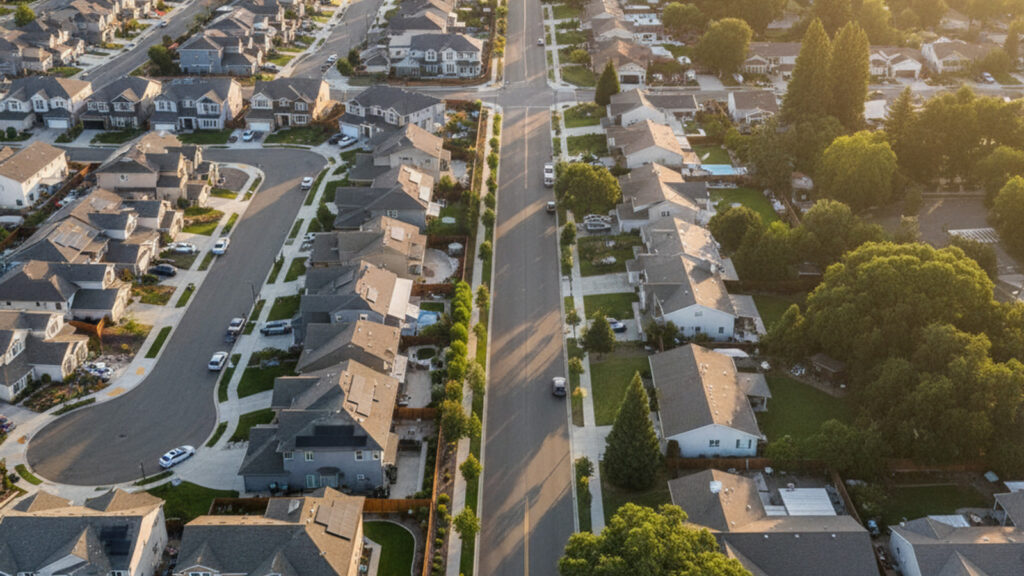
Located in West Roseville—specifically west of Fiddyment Road and north of Pleasant Grove Boulevard—this neighborhood offers a distinct “modern suburban” vibe that feels different from the older parts of the city. The streets are a bit wider, the infrastructure is newer, and everything is connected by a thoughtful network of trails.

Before we dive in, let’s clear up a common bit of internet confusion. If you search for “Westpark,” you might stumble upon info about a public park in the UK or a commercial parking facility. That is not what we are talking about here. This is a residential community in California designed for people who want walkable schools, modern homes, and a connected lifestyle.


Village Westpark: The Community Hub

One of the things that makes Westpark unique is the “Village Center” concept. In many suburbs, you have to drive 15 minutes just to get a gallon of milk or a cup of coffee. Here, the goal was to embed a retail hub right into the neighborhood so residents could actually walk to dinner.

The heart of this social scene is Village Westpark. It serves as a town square for the locals. You will often see neighbors catching up on the large outdoor patio shared by Kitchen747 and MoJoe’s. Kitchen747 is the neighborhood’s go-to spot for a full-service dinner or drinks, while MoJoe’s handles the morning crowd with coffee and breakfast.

Beyond food, the village is stocked with daily necessities. You have fitness options like F45 Training, wellness spots like Westpark Yoga, and personal care services including barbers and nail salons.

The convenience factor is only increasing, too. Just down the road at Fiddyment and Pleasant Grove, the West Roseville Marketplace is expanding commercial options, bringing in staples like Mountain Mike’s Pizza to the area.


Real Estate & Housing Options in Westpark

When you drive through the streets here, you won’t see cookie-cutter rows of identical houses. The architecture is a pleasant mix of Mediterranean, Craftsman, and Modern Farmhouse styles that gives the streetscape some character.

The housing market here generally falls between the mid-$500,000s and upwards of $800,000, depending on the square footage and lot size. You will find homes built by major names like Lennar, Pulte, Woodside, and KB Home.

If you are strictly looking for brand-new, never-lived-in homes, keep an eye on Winding Creek. While much of the original Westpark area is built out, Winding Creek and other active phases offer opportunities for buyers who want to pick their own finishes and enjoy the latest energy-efficient building codes.


The Club at Westpark: 55+ Active Adult Living

It is important to note that Westpark isn’t just for growing households; it is also home to a thriving active adult community. The Club at Westpark is a dedicated neighborhood for residents aged 55 and better.

Unlike the massive Sun City Roseville nearby, The Club is smaller and more intimate, with about 704 homes. It is not gated, which helps it feel integrated with the rest of the community, yet it offers exclusive amenities. The social life revolves around “The Retreat,” a 10,000-square-foot clubhouse featuring a 24/7 fitness center, pool, spa, and bocce courts.

Residents here pay an HOA fee of approximately $177 per month, which covers access to the clubhouse and—crucially—front yard maintenance. If you are comparing costs, keep in mind that homes here also have Mello-Roos fees generally ranging from $220 to $240 per month.


Schools & Education: West Park High School

For many buyers, the schools are the deciding factor. Westpark is served by the Roseville Joint Union High School District, and the crown jewel here is undoubtedly West Park High School.

Opened around 2020, this is a state-of-the-art campus that cost roughly $122 million to build. It was designed to accommodate over 2,400 students and features the impressive “Panther Arena” with 4,500 seats. The curriculum is just as modern as the building, utilizing “Universal Design for Learning” principles and offering robust AP programs and dual enrollment options with Sierra College.

Younger students typically attend nearby schools like Chilton Middle School or the various elementary schools within the district. These schools consistently earn high marks—West Park High, for instance, has held an A- rating on Niche—making the area a top pick for those prioritizing education.


Parks, Trails, and Outdoor Recreation

Living here means you have plenty of excuses to get outside. The community was designed with connectivity in mind, featuring miles of paved walking and biking trails that link the neighborhoods to the schools and parks.

A standout favorite is Nela Luken Park, located right next to the Village Center. It is a fantastic 3.3-acre space that features a unique “railroad misting sculpture”—a water feature that is a hit during the hot Sacramento summers. The park also includes playgrounds and dog-friendly open spaces, making it a regular stop for families and pet owners after grabbing a coffee at the Village.

For those in the newer Winding Creek sections, you will find additional nature preserves and trail systems that embrace the natural landscape, offering a quiet escape for evening walks.


The Financials: Understanding Mello-Roos in Westpark

We need to talk about the numbers, specifically taxes. If you are looking at homes for sale in Westpark, you will hear the term “Mello-Roos” come up constantly.

Put simply, Mello-Roos is a special tax district used in California to finance the infrastructure for new communities—things like the roads you drive on, the new high school, and the parks we just mentioned.

Yes, Westpark homes have Mello-Roos.

It is important to budget for this upfront. The cost varies by village and home size, but you can generally expect to pay anywhere from $200 to over $400 per month on top of your standard property taxes. While some buyers are hesitant about the extra fee, most residents view it as a trade-off: you pay the tax, and in return, you get brand-new schools, well-maintained parks, and modern infrastructure rather than aging facilities.


Frequently Asked Questions About Westpark

Is Westpark Roseville a gated community?

No, the majority of Westpark is not gated. Even “The Club at Westpark” (the 55+ section) is a non-gated neighborhood, which helps foster a more connected and open community feel rather than separating residents behind walls.


Does Westpark have Mello-Roos taxes?

Yes, homes in Westpark are subject to Mello-Roos taxes. These fees help fund the modern infrastructure, including the new schools and parks, and typically range between $200 and $400+ per month depending on the specific home.


What schools serve the Westpark neighborhood?

The community is primarily served by the Roseville Joint Union High School District. Key schools include the newer West Park High School and Chilton Middle School, both of which are located conveniently close to the residential areas.


Is The Club at Westpark brand new construction?

No, The Club at Westpark is fully built out, with homes constructed generally between 2006 and 2014. If you are looking for brand new construction, you would want to look at the Winding Creek area or other developing phases outside of the active adult section.


Is Westpark walkable?

Yes, Westpark is one of the more walkable suburbs in the region thanks to the Village Center concept. Residents can easily walk to Kitchen747, MoJoe’s, and Nela Luken Park via the network of paved trails that weave through the neighborhoods.

Living in Westpark, Roseville, CA: The Ultimate Neighborhood Guide Read More »

Two-story green house with covered porch

Old Town Roseville: Where History Meets Modern Revitalization

If you’re hunting for a neighborhood that trades cookie-cutter stucco for genuine character, you need to look at the heart of Roseville. There is a unique energy here—a blend of industrial grit, deep history, and a trendy revitalization that has turned this area into one of the most interesting real estate pockets in Placer County.

Before we dive in, let’s clear up a common mix-up: if you clicked this looking for antique “Roseville Pottery” vases, you’re in the wrong place. We are talking about the actual neighborhood—the brick buildings, the bungalows, and the rail lines that built this city.

Understanding the layout here is key because locals distinguish between two distinct sides of the tracks. “Old Town” generally refers to the historic stretch along Pacific Street, while “Downtown” refers to the civic and cultural hub along Vernon Street. They are connected by a bridge, and together, they form a walkable district that feels worlds away from the suburban sprawl found elsewhere in the region.


Railroads, Fires, and Resilience: A History of Roseville

You can’t talk about living in Roseville without talking about the train. This city wasn’t just built near the tracks; it was born from them. Originally known as “Junction City,” the area exploded in growth when the Southern Pacific Railroad moved its facilities here in the early 1900s.

For decades, this was home to the Pacific Fruit Express, which was once the world’s largest artificial ice plant. If you buy a home here, you are buying a piece of that blue-collar legacy. The rail yard is still a massive employer and a defining physical feature of the landscape.


The Fires That Shaped the City

The layout of the streets today is actually the result of disaster. In the early days, the commercial hub was strictly on the Pacific Street side. However, a series of devastating fires in 1911 and 1912 wiped out many of the wooden structures in Old Town.

As a result, many businesses decided to rebuild on the other side of the tracks, shifting the commercial center to what is now Vernon Street. This split created the dual-district dynamic we see today, with the historic depot feel on one side and the civic center on the other.


The 1973 Roseville Yard Disaster

When locals talk about “the big fire,” they are usually referring to a specific, terrifying event in recent history. In April 1973, a series of massive explosions rocked the Roseville rail yard.

It wasn’t just a standard mechanical fire; a train carrying Vietnam War-era bombs caught fire, causing 18 boxcars of ammunition to detonate over the course of nearly two days. Miraculously, no one died, but the event shattered windows across the city and is a major part of local lore. It’s a testament to the resilience of the community, which rebuilt and moved forward.


Living in Old Town: Historic Bungalows & Urban Vibes

If you are browsing Roseville homes for sale, the inventory here looks very different from the master-planned communities in West Roseville. This is where you find the charm. The streets are lined with Craftsman bungalows, Victorian-era cottages, and mid-century infill homes that have stood the test of time.


The Real Estate Reality

Price-wise, Old Town and Downtown can offer a more accessible entry point compared to the newer developments. You might see homes in the $450,000 to $600,000 range depending on their condition. However, prices are rising. As the entertainment district grows, gentrification is turning “fixer-uppers” into highly desirable restored gems.


The Pros and Cons of District Living

The lifestyle here is distinct. The biggest “pro” is the walkability and the “front porch” culture. There are no HOAs here. You know your neighbors, and you can walk to grab a coffee or a beer. It feels like a small town dropped inside a bigger city.

However, you have to be realistic about the “cons.” The most obvious factor is the train. If you live in Old Town, you will hear the train horns and feel the rumble. For many residents, this is ambient white noise they come to love; for others, it’s a dealbreaker. Additionally, because the housing stock is older, buyers should be prepared for potential upgrades to plumbing or electrical systems. You also have the realities of an urban environment, including foot traffic and transient populations near the rail lines.


Things to Do: The Downtown & Old Town Revitalization

The best part about living in this district is that the entertainment comes to you. Over the last decade, the city has poured resources into connecting Pacific Street and Vernon Street into a cohesive destination.

  • Vernon Street Town Square: This is the community’s living room. It hosts major events like “Downtown Tuesday Nights,” concerts, and holiday tree lightings.
  • The Arts: Culture buffs love Blue Line Arts, a fantastic gallery space, and the historic Tower Theatre, which still hosts live performances and adds a vintage neon glow to the street.
  • Dining & Nightlife: The food scene has exploded. You can grab a craft brew at Monk’s Cellar (which has a great basement-speakeasy vibe), enjoy breakfast at Cosmo’s Cafe, or hang out at Goose Port.
  • Landmarks: Connecting it all is the Ice House Bridge. Walking from the St. Rose of Lima church area over to the railyard viewing spots is a great way to spend a Saturday morning.


Parks and Recreation

Even with the urban feel, there is plenty of green space. The crown jewel of the downtown area is Royer Park. It’s not just a patch of grass; it’s a massive community hub with huge play structures, picnic areas, and access to the creek.

If you are into cycling or running, Saugstad Park serves as a major trailhead. From here, you can hop on the Dry Creek Bike Trail, which offers miles of paved paths that connect you to other parts of the city. It’s a huge selling point for active buyers who want the downtown vibe without giving up nature.


Frequently Asked Questions

Did Old Town Roseville have a big fire?

Yes, there have been a few. The most famous is the 1973 Roseville Yard Disaster, where rail cars filled with bombs exploded for hours. However, earlier fires in 1911 and 1912 were actually responsible for burning down the original wooden structures on Pacific Street and pushing development over to Vernon Street.


Is Old Town Roseville safe to live in?

Safety is subjective, but it is important to remember this is an active urban environment, not a gated suburb. Residents generally feel safe and enjoy a tight-knit community, but living near a busy commercial district and rail lines means you will see more foot traffic and urban activity than in the outskirts.


What is the difference between Old Town and Downtown Roseville?

Locals usually define “Old Town” as the historic section along Pacific Street (north of the tracks), known for its bars and historic depot feel. “Downtown” refers to the Vernon Street side (south of the tracks), which houses the Civic Center, Town Square, and Tower Theatre.


Are there historic homes for sale in Roseville?

Yes, this district is the primary spot to find them. You will frequently see listings for Craftsman bungalows and Victorian-style homes built between 1910 and 1940. Inventory varies, so if you are looking for a specific architectural style, it helps to watch the market closely.

Old Town Roseville: Where History Meets Modern Revitalization Read More »

Sunlit tree-lined golf fairway with bunkers

Diamond Oaks, Roseville, CA: Golf Course Living Without the HOA

If you mention “Diamond Oaks” to someone outside the area, they might ask which slot machines are the loosest. So, let’s clear that up immediately: Diamond Oaks is a residential golf community, not a casino. If you are looking for blackjack, you want Thunder Valley or Diamond Mountain. If you are looking for a custom home on a large lot with fairway views, you are in the right place.

Diamond Oaks is widely considered a hidden gem in Roseville for one massive reason: it offers golf course frontage without the steep Homeowners Association (HOA) fees you find in nearby communities like Lincoln Hills or Sun City.

Located centrally near I-80 and Highway 65, this neighborhood offers incredible access to the Galleria and local amenities while feeling tucked away. It is an established area where the trees are mature, the streets are wide, and the vibe is relaxed. For homebuyers who want the country club aesthetic without the country club price tag, this is often the first stop.


Diamond Oaks Golf Course: Current Status & Details

One of the most common questions I get from potential buyers is about the health and status of the course itself. Let’s put the rumors to rest.

The Diamond Oaks Golf Course is OPEN. Occasionally, you might hear chatter that the course is “closed” or “sold.” This usually stems from confusion with other venues or temporary closures for seasonal maintenance. In fact, throughout late 2025 and heading into 2026, the city has invested in fairway renovations and condition improvements. These investments signal that the City of Roseville is committed to the course’s future, not looking to offload it.

This is a Municipal Course, meaning it is owned by the City of Roseville rather than a private equity firm. Designed by the legendary architect Ted Robinson in 1963, it features a classic Par 72 layout. Because it is city-owned, it remains accessible and affordable. It is known for being incredibly walker-friendly, which is a huge perk for residents who like to get a quick nine holes in before sunset.

It is also worth noting that Diamond Oaks has a sister course, the Woodcreek Golf Club, which is also city-owned. This gives local golfers two distinct options within the same municipal network.


Diamond Oaks Real Estate Market Trends (2026)

If you are looking into Roseville CA real estate, you likely know that inventory is tight. Diamond Oaks is no exception. Because residents tend to stay here for decades, this is currently a competitive Seller’s Market.


The Numbers at a Glance

Prices here offer significant value compared to new builds. As of early 2025, you can generally expect:

  • Median Sales Price: Mid-$600,000s.
  • Price Range: roughly $550,000 to $900,000 (homes with direct golf course views command the higher end).
  • Time on Market: Homes priced correctly typically move in 24 – 35 days.

The “No HOA” Advantage

This is the financial driver for this neighborhood. In many golf communities—like The Club at Westpark or Sun City—you are looking at monthly dues that can exceed $200 or $300. In the original Diamond Oaks neighborhood, the vast majority of homes have $0 HOA dues.

Note: There is a small, gated sub-community called “Heritage at Diamond Oaks” that does have HOA fees. However, the standard custom homes lining the streets and fairways generally do not.


Home Styles and Architecture

You won’t find the “cookie-cutter” stucco rows here that dominate the newer parts of West Roseville. These homes were built largely between the 1960s and 1990s. This means you get custom and semi-custom designs, varying rooflines, and character. Perhaps most importantly, you get land. The lot sizes here are significantly larger than modern standards, giving you actual space between you and your neighbor.


Lifestyle & Amenities: Dining, Parks, and Schools

Living here isn’t just about the fairways. The lifestyle is convenient because you are geographically in the middle of everything Roseville has to offer.


Dining at Legends

You don’t have to be a golfer to appreciate Legends at Diamond Oaks. Not to be confused with the location at Woodcreek, this is the on-site sports bar and grill. It is open to the public and serves as a neighborhood hub. It’s a great spot to grab a burger and watch the action on the 18th hole without having to drive out to a chain restaurant on Eureka Road.


Parks and Recreation

Aside from the golf course, residents have access to Diamond Oaks Park. This is a separate city park that features playgrounds, picnic areas, and open green space. It serves as a nice alternative for recreation if you aren’t hitting the links.


Schools and Districts

For those researching schools, the neighborhood falls under the jurisdiction of the Roseville City School District (for elementary and middle school) and the Roseville Joint Union High School District. While I cannot label schools as “best” due to fair housing guidelines, these districts are well-established entities serving the core of Placer County.


Safety and Community

Safety is a top priority for anyone moving to Roseville. Diamond Oaks is an established, mature neighborhood. When looking at crime statistics relative to the Roseville average, this area generally reflects the stability of a long-standing residential community. It lacks the transient nature of some high-density apartment zones, contributing to a quieter atmosphere.


Living in Diamond Oaks: Pros and Cons

Every neighborhood has trade-offs. If you are considering homes for sale in Diamond Oaks, here is an honest breakdown to help you weigh your options.

Pros:

  • No HOA Fees: This saves you thousands of dollars annually compared to gated golf communities.
  • Lot Size: You get a backyard big enough for a pool, garden, or ADU, which is rare in new construction.
  • Location: You are minutes from the Westfield Galleria, fountains, and major freeways.
  • Mature Landscape: The tree canopy here provides shade and character that takes 40 years to grow.

Cons:

  • Renovations Required: Many homes still have original 1970s or 1980s finishes. Be prepared to deal with popcorn ceilings or dated kitchens.
  • Golf Ball Risks: If you buy a home directly on the fairway, stray balls are a reality. You will need to check into window replacement costs or protective screens.
  • Not Gated: If you are looking for the exclusivity of a guard-gated entrance, you won’t find it here (outside of the small Heritage pocket).


Frequently Asked Questions

Is Diamond Oaks Golf Course closed or sold?

No, the course is open. Rumors of it being closed usually stem from confusion with other properties or temporary maintenance periods. The City of Roseville has recently invested in fairway improvements, signaling the course is here to stay.


Does Diamond Oaks Roseville have an HOA?

Most homes in the original Diamond Oaks neighborhood do not have an HOA, which is a major selling point. However, if you are looking at the “Heritage at Diamond Oaks” sub-community, that specific gated area does have monthly fees.


Is Diamond Oaks a 55+ community?

No, it is not. Unlike Sun City Roseville nearby, Diamond Oaks is an all-ages community open to everyone.


Is there a casino at Diamond Oaks?

No. Diamond Oaks is a residential neighborhood and golf course. You are likely thinking of Thunder Valley Casino or Diamond Mountain Casino, which are entirely different locations.

Diamond Oaks, Roseville, CA: Golf Course Living Without the HOA Read More »

Suburban houses with solar panels and trees

Living in West Roseville, CA: The 2026 Vibe Check

If you haven’t driven down Baseline Road in the last few years, you might not recognize West Roseville anymore. What used to be the quiet, sleepy edge of town where the pavement turned into wheat fields has transformed into the region’s most aggressive growth hub.

We aren’t talking about the historic charm of Old Town or the established neighborhoods near the Galleria. We are talking about the 95747 zip code, specifically the area west of Fiddyment Road and Foothills Blvd. In 2026, this area feels less like a construction zone and more like a fully realized suburban destination.

The vibe here is distinct. It’s modern, planned, and incredibly active. You’ll see a heavy influx of remote workers and residents relocating from the Bay Area who want newer infrastructure. Because most of the housing stock here was built post-2005, you don’t deal with the creaky floorboards or single-pane windows common in older sectors. It’s crisp, clean, and finally has the commercial amenities to match the rooftops.


Where is West Roseville? (95747 vs. 95678)

One of the first things that confuses buyers is the geography, so let’s clear that up. When locals talk about “West Roseville,” they are almost exclusively talking about the 95747 zip code.

This is distinct from Central Roseville/Old Town (95678), which has the historic grid layout, and East Roseville (95661), which is known for granite outcroppings and established trees near Granite Bay. West Roseville is the sprawling territory on the other side of the map.

To get your bearings, look for the major arteries. Baseline Road is your southern border and main connector to Sacramento. Pleasant Grove Blvd and Blue Oaks Blvd are the parallel veins running east-west that funnel traffic toward Highway 65. If you are looking at homes for sale in Roseville and the house is west of Fiddyment Road, you are firmly in the territory we are discussing today.


Major Developments: The New Costco & Baseline Marketplace

Let’s address the elephant in the room—or rather, the warehouse in the neighborhood. For years, the number one question from buyers was, “When do we get our own Costco?”

As of January 23, 2026, the wait is over. The Costco at 5200 Baseline Road (at the corner of Fiddyment) is officially open.

This is a massive shift for the local lifestyle. Residents no longer have to haul all the way to the Galleria area or up to Highway 65 for bulk shopping. The opening of the Baseline Marketplace has triggered a domino effect of commercial convenience. Alongside the Costco, we now have a new gas station, car wash, and a rapidly filling retail roster.

The impact on property values and convenience can’t be overstated. Having major retail anchored at Baseline and Fiddyment means West Roseville is no longer a “bedroom community” where you have to leave to buy milk. It is becoming self-sufficient.


Top Master-Planned Communities in West Roseville

The housing market here isn’t a monolith; it’s a collection of “villages” and master-planned communities, each with a slightly different personality. If you are looking for homes in these areas, here is the breakdown of the heavy hitters.

West Park This is arguably the most recognized name in the zip code. It has a distinct “village” feel with a tight-knit community atmosphere. It’s walkable, filled with pocket parks, and is the immediate neighbor to the high school. It feels established now, as the trees have had a decade to grow in the earlier phases.

Fiddyment Farm Located just north of West Park, Fiddyment Farm feels slightly more open. It incorporates more of the natural vernal pools and walking trails into its design. It’s a favorite for those who want to be close to the action but appreciate a bit more visual breathing room between subdivisions.

Winding Creek This is the newer major player. If you are looking for brand-new construction or homes built in the last 2-3 years, you’ll likely end up touring here. It borders the future commercial developments and is currently the site of significant infrastructure growth, including new schools.

Solaire & Sierra Vista These areas are where you will find the bulk of the active selling phases for new builds. Builders here are catering to modern demands—think multi-gen suites, solar-standard roofing, and smart home integration right out of the box.

Note on costs: When budgeting for any of these communities, you must factor in Mello-Roos taxes. We will touch on this in the Pros/Cons section, but know that these master plans come with a price tag for that shiny new infrastructure.


Schools & Education: What Parents Need to Know

The population explosion in 95747 forced the school districts to build fast, and in 2026, the results are impressive. The area is served by the Roseville City School District (grades K-8) and the Roseville Joint Union High School District (grades 9-12).

West Park High School is the flagship for the area. Opened in 2020, it is a state-of-the-art campus that looks more like a small college than a traditional high school. It has quickly become a central hub for community sports and events.

For younger students, the district has been aggressive in reducing overcrowding. Westbrook Elementary opened back in 2023 to relieve pressure on existing campuses. Looking slightly ahead, Winding Creek Elementary is slated to open its doors in August 2026. This is great news for buyers in the Winding Creek and Sierra Vista developments, as it will further localize the morning drop-off routine.


Pros and Cons of Living in West Roseville

Living here offers a specific lifestyle that works for many, but it isn’t perfect. Here is an objective look at the trade-offs.

The Pros

  • Modern Infrastructure: Everything works. The roads are wide, the internet is fiber-optic fast, and the utilities are underground. You also get access to incredible recreational spots like Santucci Park, which serves as a massive communal backyard for the area.
  • Safety Statistics: generally, Northwest Roseville tracks with lower crime rates compared to the older, denser central sectors. While no place is immune to crime, the layout of these subdivisions tends to discourage pass-through traffic.
  • New Housing Stock: You aren’t buying someone else’s deferred maintenance. Energy efficiency is high, which is vital during Placer County summers.

The Cons

  • The Commute: This is the biggest gripe. You are physically farther from Interstate 80 and Highway 65. If you commute to Sacramento, you are relying heavily on Baseline Road, which can get congested during rush hour.
  • Mello-Roos Taxes: This is the financial reality of West Roseville. Most homes here are in Community Facilities Districts (CFDs). These special taxes pay for the new roads, schools, and parks. They can easily add $200 to $500 per month to your mortgage payment, so you need to look closely at the tax bill, not just the purchase price.


Frequently Asked Questions

Is Costco open in West Roseville yet?

Yes. The Costco at Baseline Road and Fiddyment Road officially opened on January 23, 2026. It is fully operational and includes a fuel station.


What is the zip code for West Roseville?

West Roseville is primarily defined by the 95747 zip code. This covers the area west of Foothills Blvd and north of Baseline Road.


Does West Roseville have Mello-Roos taxes?

Yes, almost all master-planned communities in West Roseville (including West Park, Fiddyment Farm, and Winding Creek) have Mello-Roos taxes. These are special assessments used to fund the new infrastructure and schools in the area.


Is West Roseville safe?

While safety is subjective, West Roseville generally reports lower property and violent crime rates compared to older, more central parts of the city. The area is characterized by suburban residential zoning, which typically sees less transient activity than commercial hubs.

Living in West Roseville, CA: The 2026 Vibe Check Read More »

Curved flower-lined path, palms and distant hills

Sun City Roseville Homes for Sale: The Ultimate 55+ Buyer’s Guide

When you drive through the entrance of Sun City Roseville, the first thing you notice isn’t the houses – it’s the trees. Unlike the dusty construction zones of newer developments nearby, this community is lush, established, and vibrant. It feels like a park that people happen to live in.

If you are looking for active adult living in Placer County, Sun City Roseville is often considered the heavyweight champion for a reason. Built between 1995 and 2000 by Del Webb, this community of roughly 3,110 homes sits perfectly at the base of the Sierra Nevada foothills, just about 20 miles northeast of Sacramento.

But it’s not just about the location. The real draw here is the combination of a resort-style atmosphere with financial stability that is hard to find elsewhere. While new construction offers modern trends, Sun City offers mature landscaping, a settled neighborhood vibe, and a 55+ age restriction that ensures your neighbors are in the same phase of life as you are.


The Del Webb Lifestyle: Amenities & Activities

Let’s talk about what you get for your money, because the lifestyle here is the main selling point. One of the ways this community stands out is that it doesn’t just have one clubhouse; it has two distinct recreational hubs. Knowing the difference between them is key to understanding the flow of the neighborhood.

Timber Creek Lodge (The Hub) This is the heartbeat of the community. Spanning 52,000 square feet, Timber Creek is where the action happens. It houses the famous Timbers Restaurant, a massive ballroom for events, and a comprehensive fitness center. Whether you want to swim laps in the indoor pool or soak up the sun at the resort-style outdoor pool, this is the place to be.

Sierra Pines (The Quiet Retreat) If Timber Creek is “Saturday Night,” Sierra Pines is “Sunday Morning.” This 6,000-square-foot satellite center offers a much more intimate vibe. It features a deli for a quick bite, meeting rooms, and a lovely outdoor patio. It’s the perfect spot for a quiet game of croquet or meeting a smaller group of friends.

Golf and Social Scene You can’t talk about Sun City without mentioning the golf. The community boasts 27 holes total. You have the 18-hole Timber Creek course for a full round, and the 9-hole Sierra Pines executive course which is perfect for a quick game. While these courses are open to the public, residents get preferred booking windows and rates.

Beyond the fairways, the social calendar is packed. There are over 50 chartered clubs ranging from the highly competitive Pickleball and Bocce leagues to the Computer Club and Travel Club. If you have a hobby, there is likely a group here doing it.


Real Estate: Floor Plans & Home Models

One of the best things about the housing inventory here is that every single home is single-story. This is essential for long-term accessibility. Del Webb designed these homes specifically for the active adult demographic, meaning you won’t find awkward stairs or high-maintenance exteriors.

The homes range significantly in size to fit different budgets and lifestyles. You can find cozy cottage-style homes starting around 878 square feet, all the way up to estate-style models exceeding 2,600 square feet.

If you are browsing listings, you will see model names pop up frequently. The Yosemite, Shasta, and Plumas are staples in the community, while the Wilshire is often sought after for its layout.

When looking at specific lots, location matters just as much as the floor plan.

  • Golf Course Lots: These command a premium for the views of the fairways.
  • Nature Preserve Lots: These back up to the greenbelts and offer incredible privacy and bird-watching opportunities.
  • Interior Cul-de-sacs: These tend to be quieter and offer a strong sense of neighborly connection.

Currently, prices generally range from the high $400Ks for smaller cottages to the low $900Ks for premium golf course estates.


Sun City Roseville HOA Fees & Financials (2026)

This is the section that usually seals the deal for savvy buyers. When comparing active adult communities, you have to look beyond the list price and calculate the monthly carrying costs. Sun City Roseville shines here.

The Monthly Breakdown As of 2026, the HOA fee is approximately $225 per month. This fee is quite reasonable considering it covers access to both lodges, the pools, tennis courts, and maintenance of the common landscaping.

  • Note: Unlike some villages in Lincoln Hills, the HOA fee here generally does not cover the landscaping of your individual home. You are responsible for your own yard maintenance.

The “No Mello-Roos” Advantage This is a massive financial benefit. Because the community was built in the late 90s, the Mello-Roos bonds (special taxes used to fund infrastructure) have generally been paid off or have expired. If you buy a new home in Westpark or other developing areas of Roseville, you could be paying hundreds more per month in property taxes. Here, your tax bill is significantly lower.

The “Gotcha” Fee There is one fee you must be aware of to avoid surprises at the closing table. Effective July 2024, there is a $5,000 Special Use Fee (often called a transfer or buy-in fee) for new buyers. This is a one-time cost paid at closing that contributes to the capital improvement fund, ensuring the amenities stay top-notch without spiking the monthly dues for current residents.


Sun City Roseville vs. Sun City Lincoln Hills

Buyers almost always tour both of these Del Webb giants. While they share a developer, the vibe is very different.

  • Sun City Roseville: This community feels intimate. With about 3,100 homes, it’s easier to learn your way around. The trees are fully grown, providing shade and character. It feels like a traditional neighborhood that happens to have amazing amenities. Plus, the lack of Mello-Roos saves you money.
  • Sun City Lincoln Hills: This is the “big brother” up the road. It has roughly 6,700 homes and was built in the 2000s. It feels more like a resort city with a massive trail system and newer infrastructure. However, the sheer size can feel overwhelming to some, and the taxes and fees can be higher depending on the specific village.

If you want a “resort city” vibe, go to Lincoln. If you want a “cozy neighborhood” vibe with better tax benefits, stick with Roseville.


Buying or Selling? Why You Need a Specialist

Whether you are looking to downsize into the community or sell a property here, this isn’t a standard real estate transaction.

For Sellers The “For Sale By Owner” route can be tempting, but 55+ transactions come with specific compliance requirements. You need to navigate age-verification disclosures, HOA documentation, and the transfer of the Special Use Fee. A specialist ensures these specific disclosures are handled correctly so the deal doesn’t fall apart.

For Buyers You need an agent who knows the difference between a Shasta and a Yosemite model just by looking at the roofline. A local expert knows which streets have the best Mello-Roos status (none) and which ones might have lingering assessments. Furthermore, the best homes – specifically the ones with the rare nature preserve views – often sell quickly, sometimes before they even hit the major portals. Having an agent with their ear to the ground gives you a competitive edge.


Frequently Asked Questions

What are the HOA fees for Sun City Roseville in 2026?

The homeowner association dues are approximately $225 per month. In addition to the monthly dues, buyers should budget for a one-time $5,000 Special Use Fee due at closing, which helps fund capital improvements for the community.


Is Sun City Roseville a gated community?

No, Sun City Roseville is not gated. The streets are public, which contributes to a more welcoming, traditional neighborhood atmosphere rather than a fortress-like feel, though the community is patrolled and very well-maintained.


Does Sun City Roseville have Mello-Roos taxes?

Generally, no. One of the biggest financial perks of this community is that the original Mello-Roos bonds have largely expired. This results in a significantly lower property tax bill compared to newer construction homes in western Roseville.


Are golf carts allowed on the streets in Sun City Roseville?

Yes, golf carts are a primary mode of transportation for many residents. You can drive them on designated paths and residential streets to get to the lodge or visit friends, though there are restrictions on taking them onto major city thoroughfares surrounding the community.

Sun City Roseville Homes for Sale: The Ultimate 55+ Buyer’s Guide Read More »