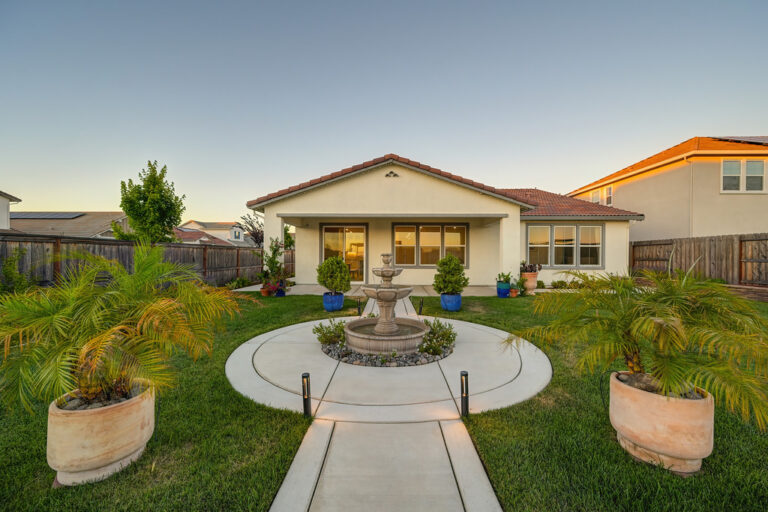
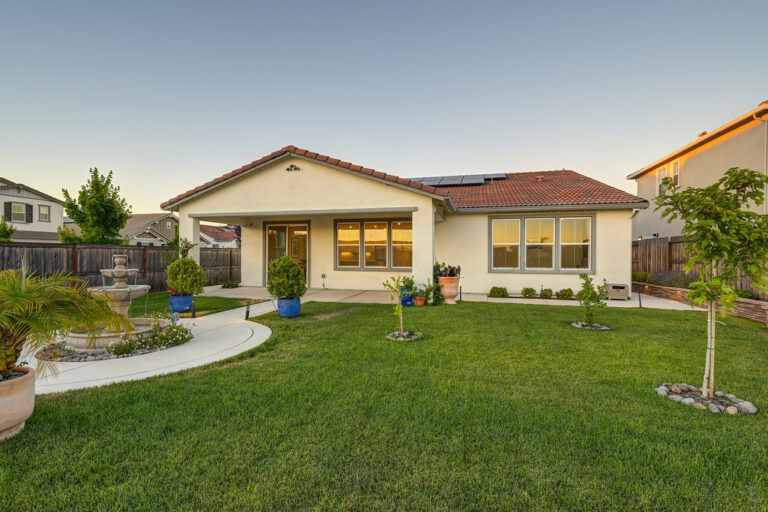
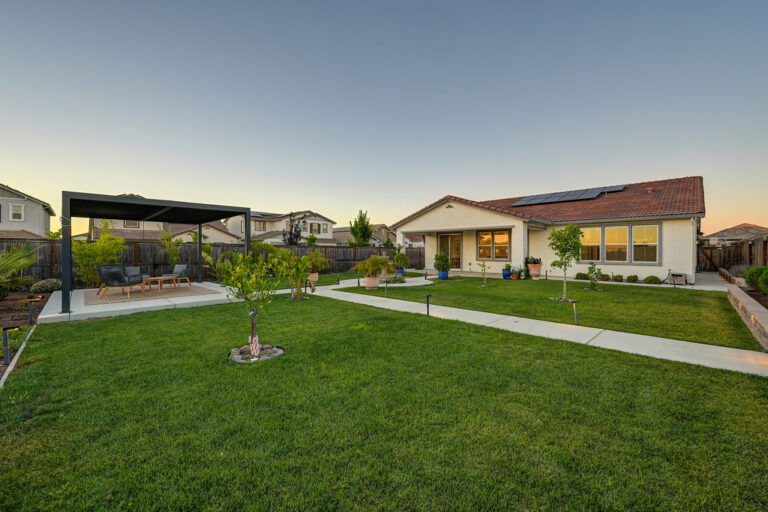
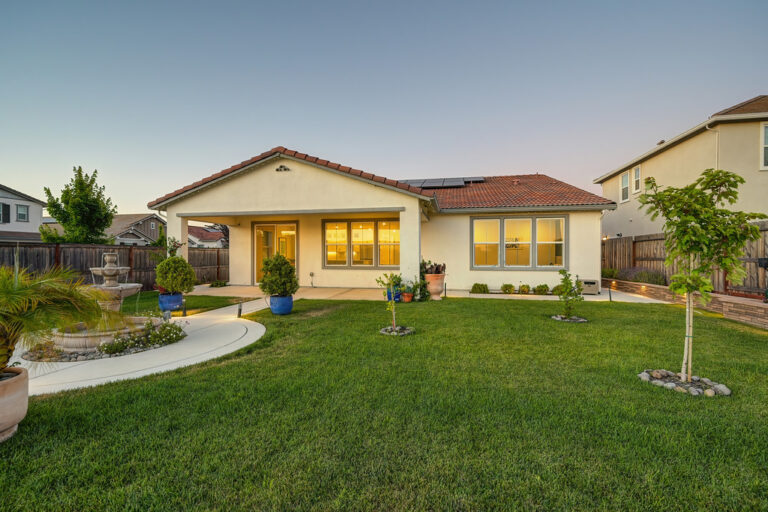
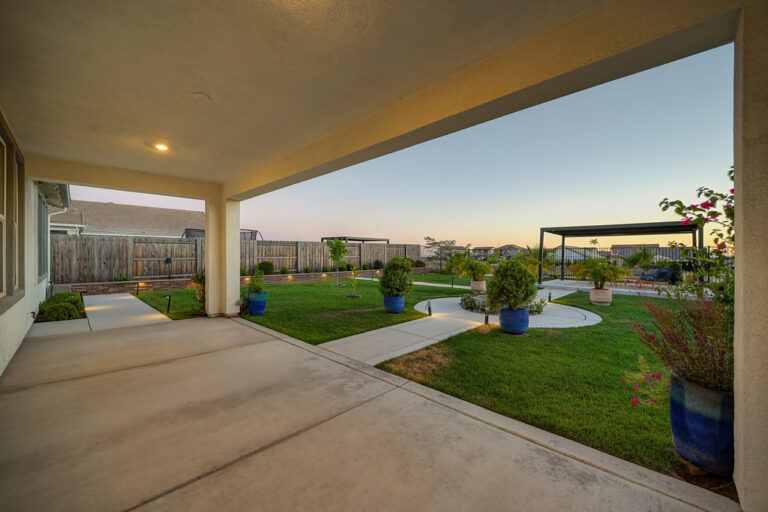
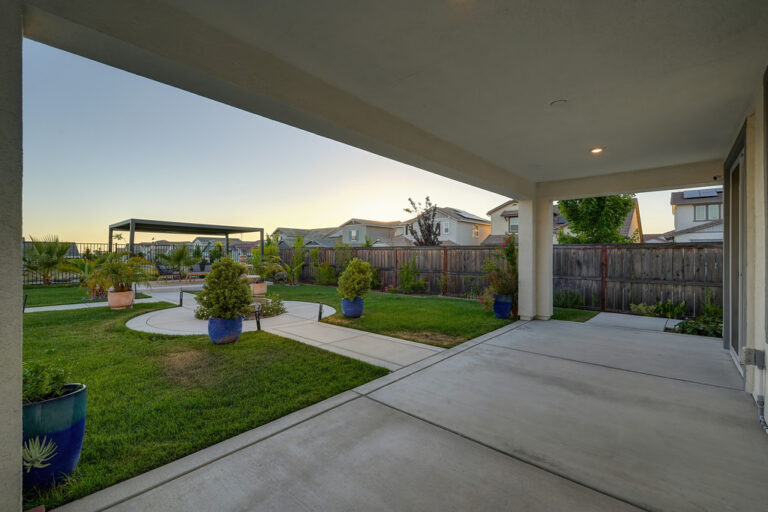
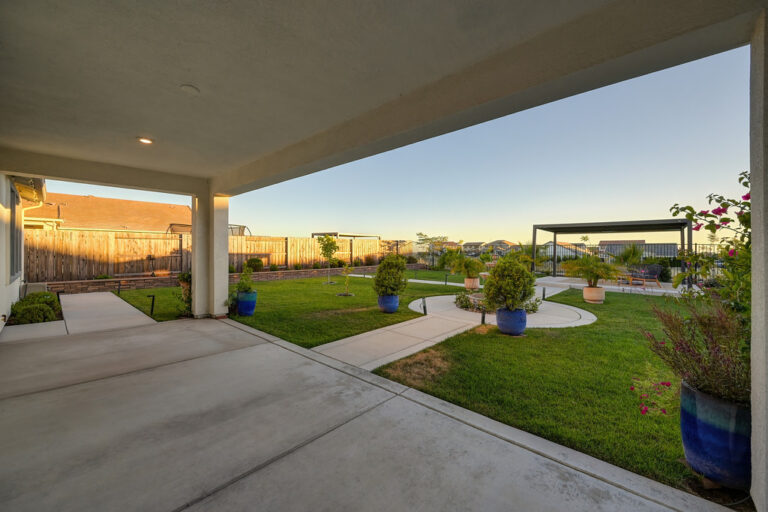
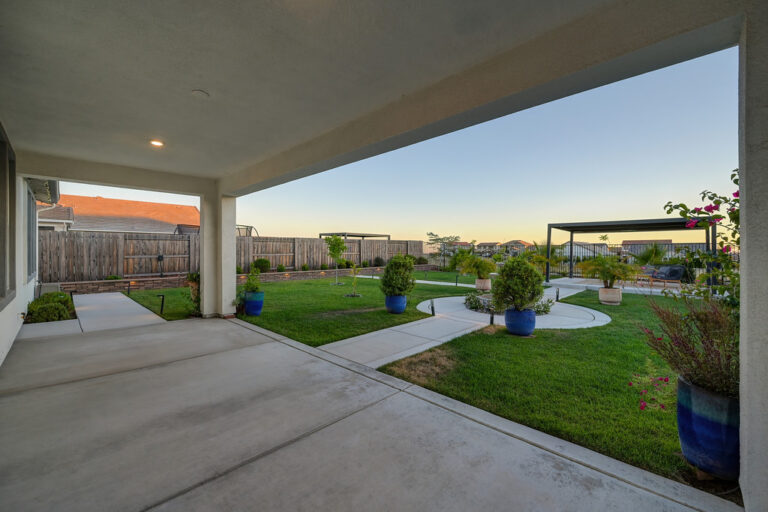
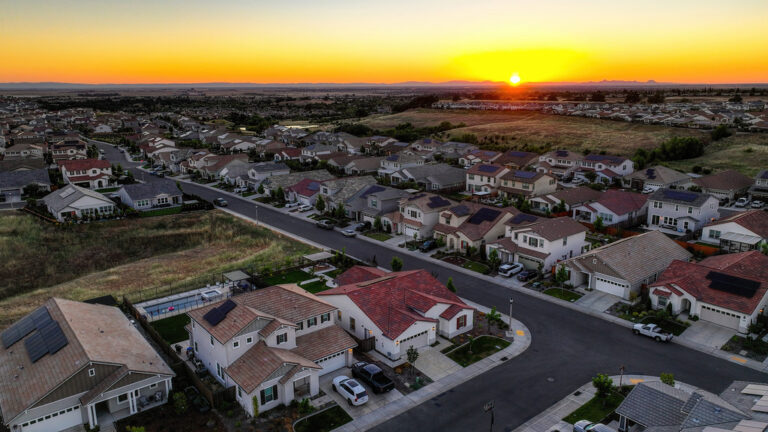
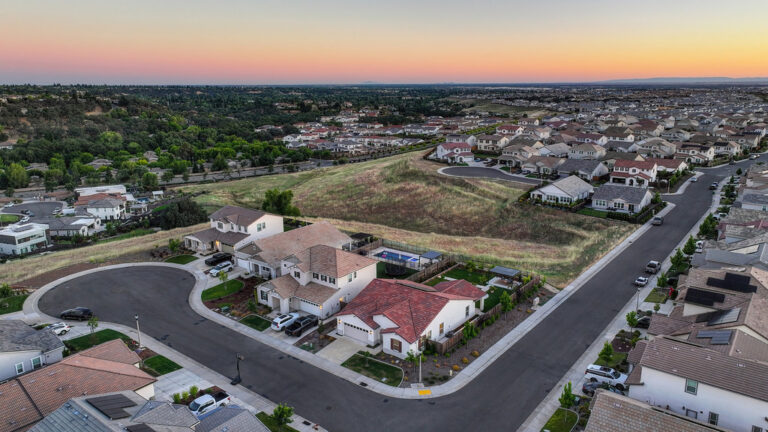
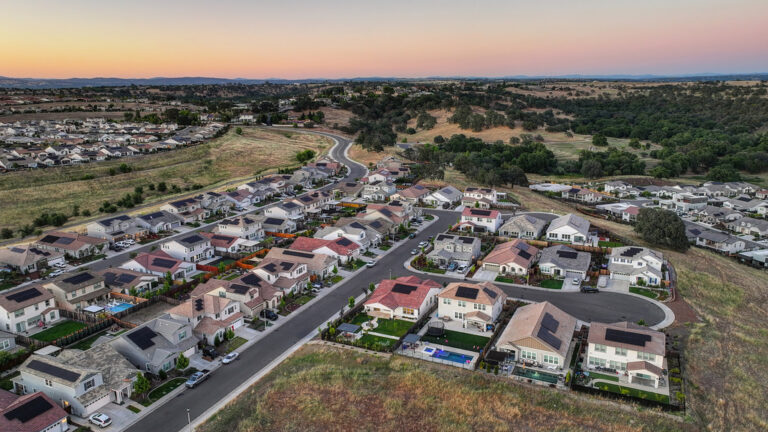
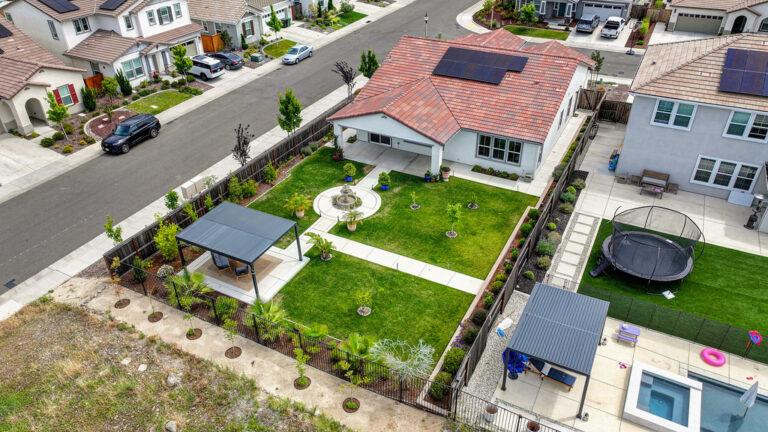
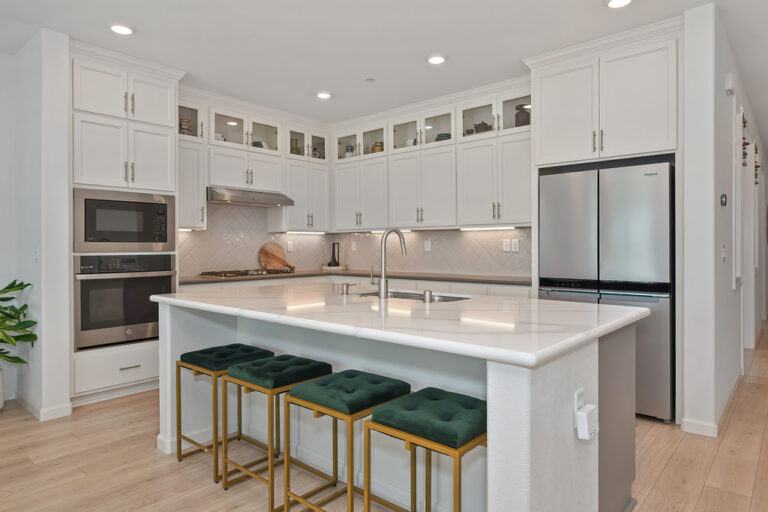
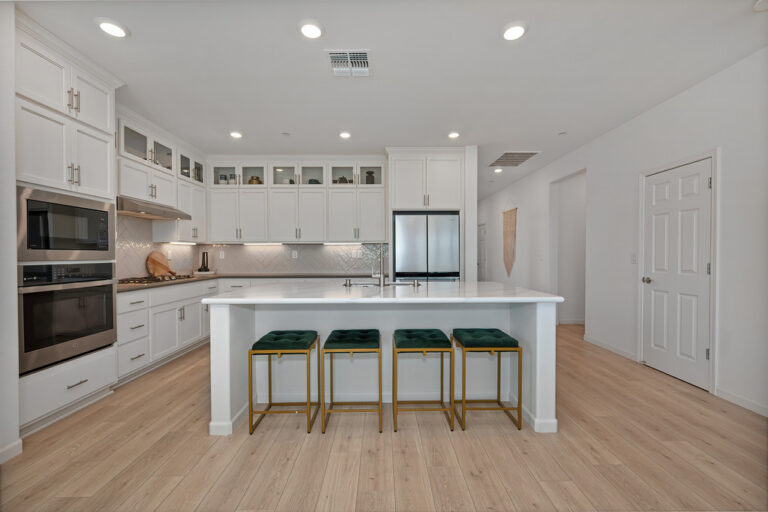
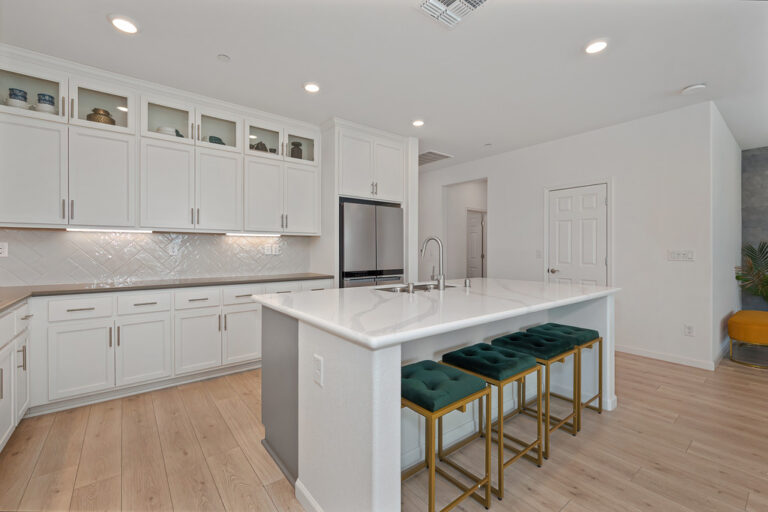
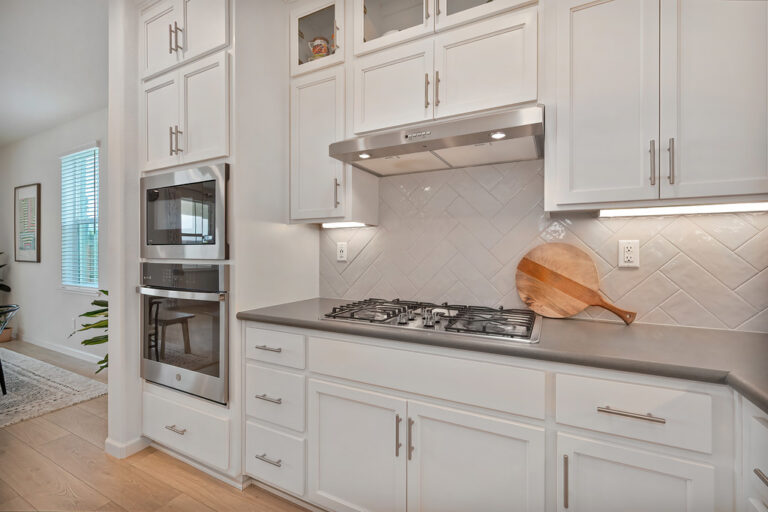
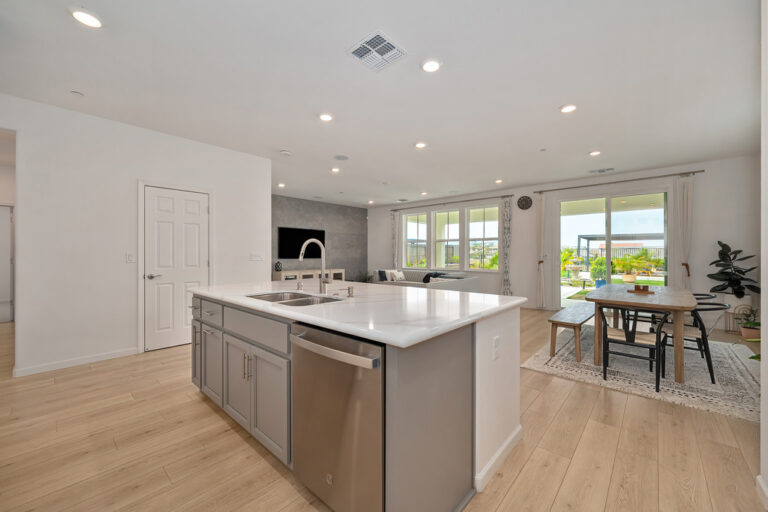
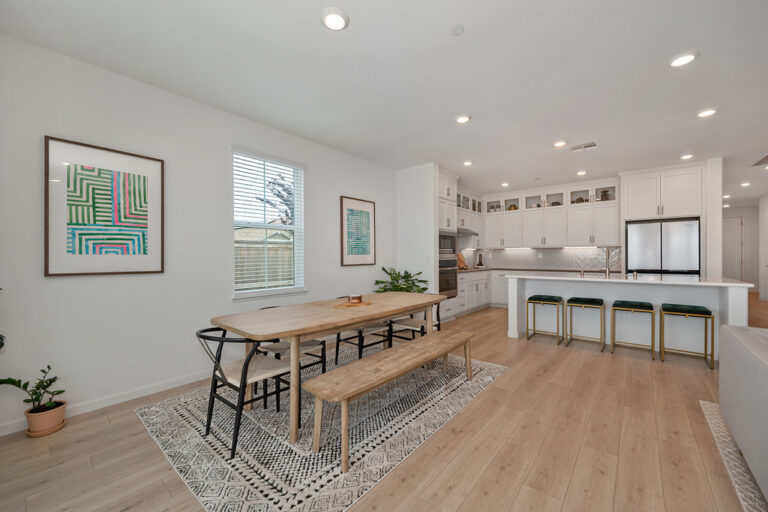
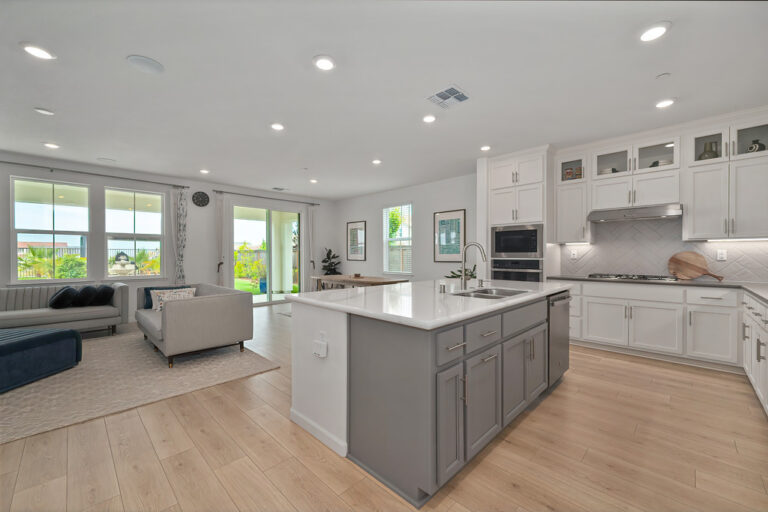
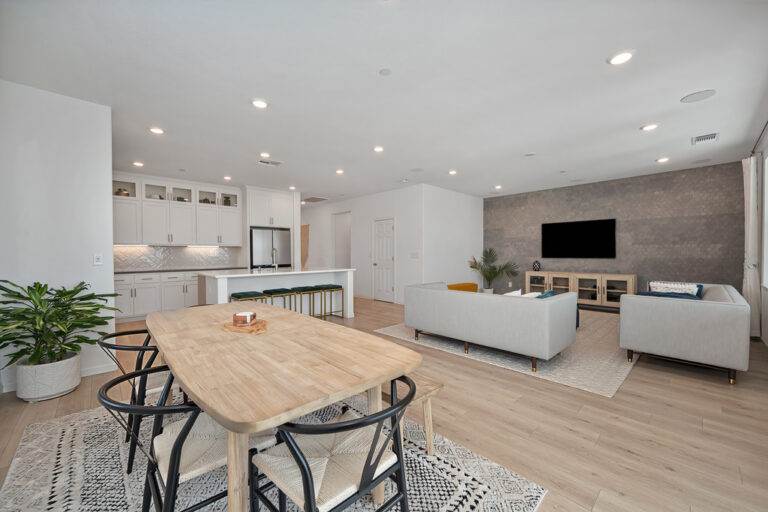
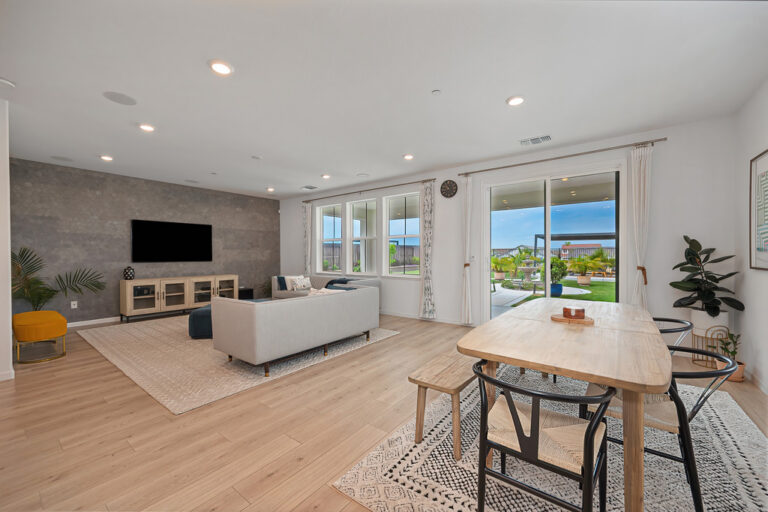
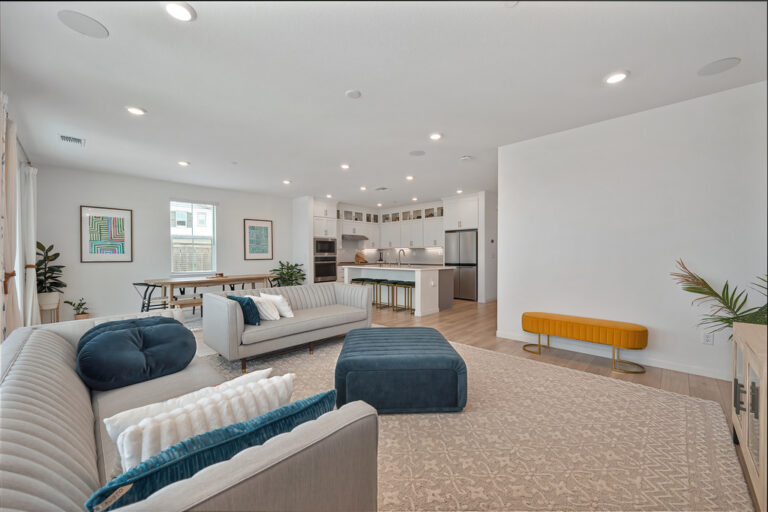
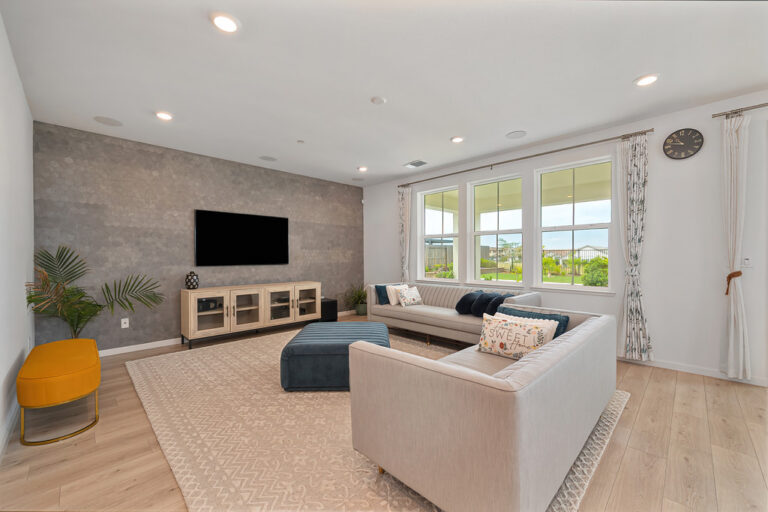
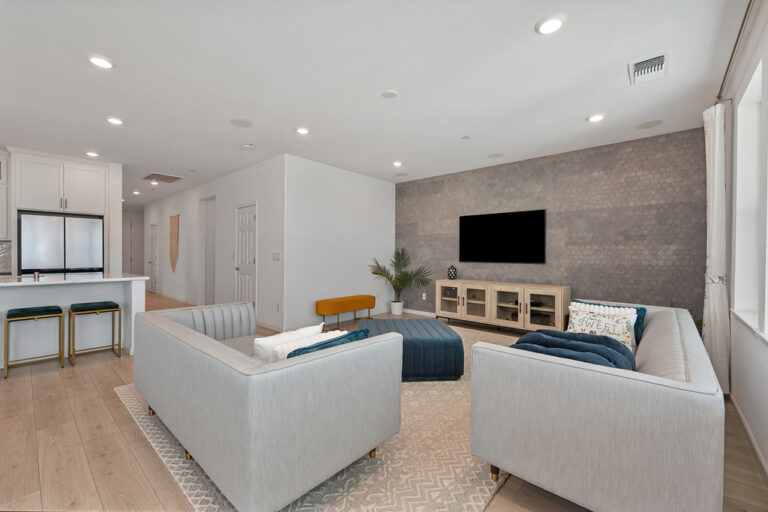
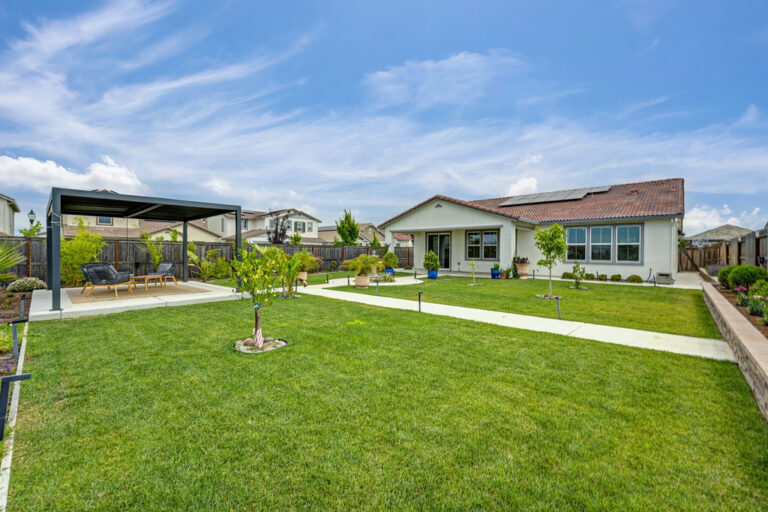
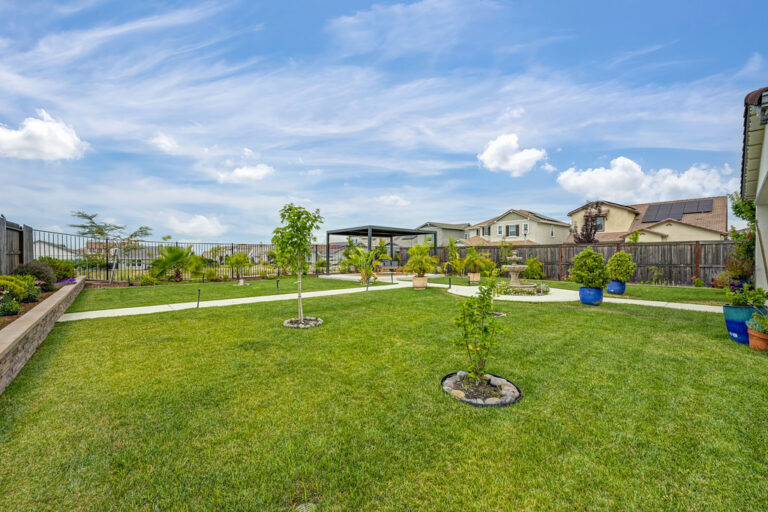
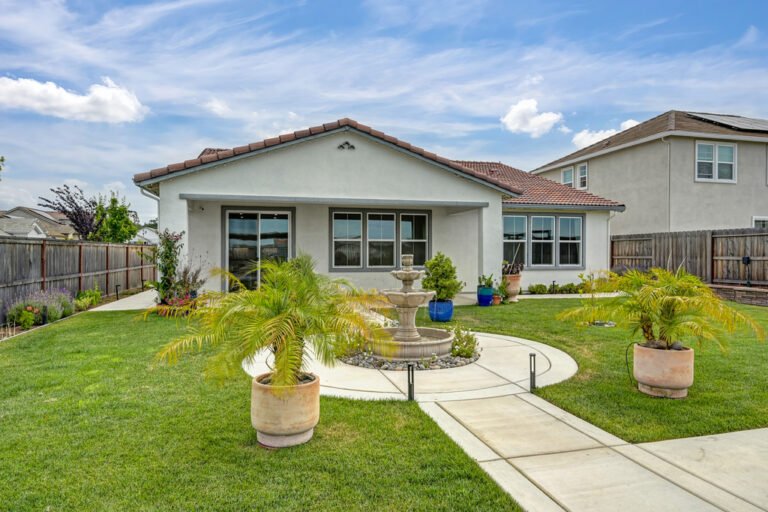
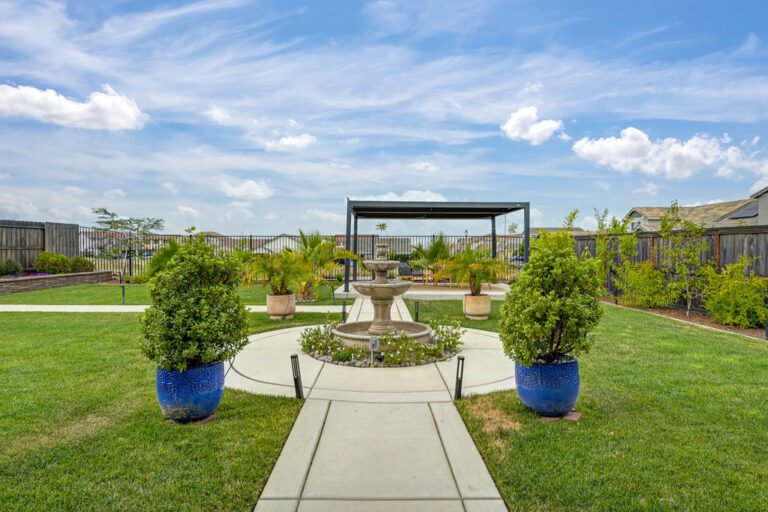
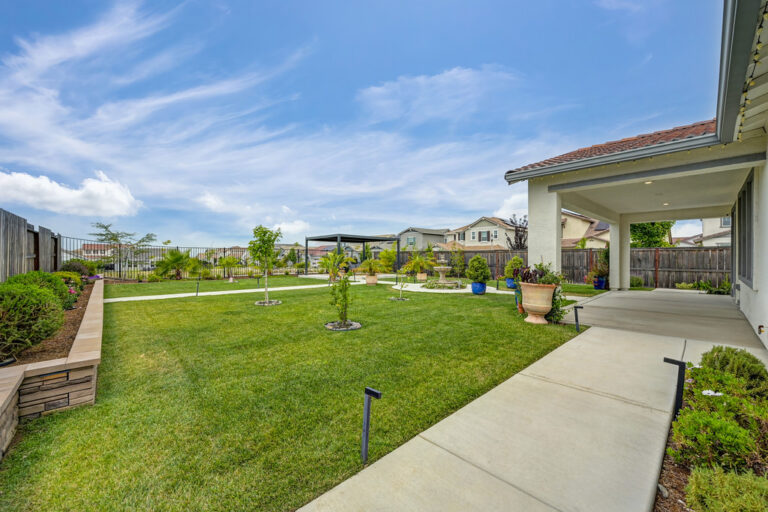
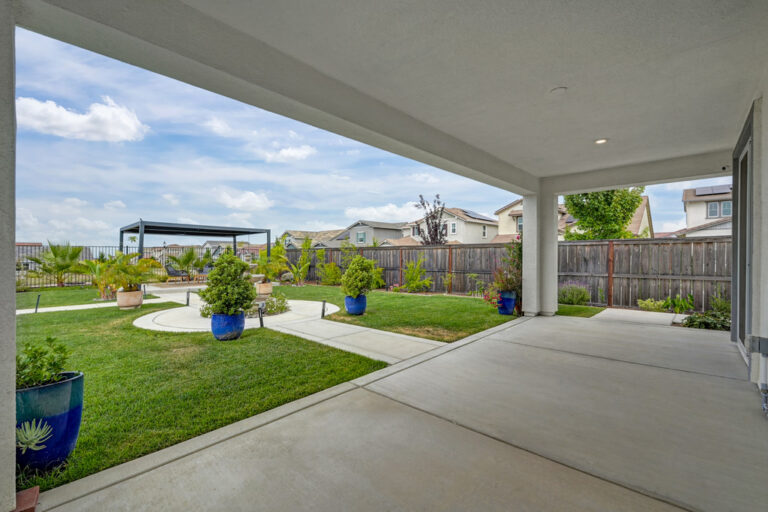
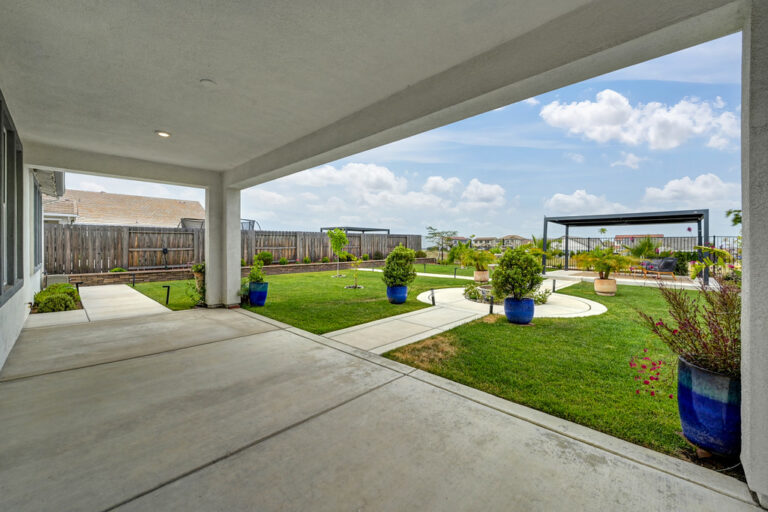
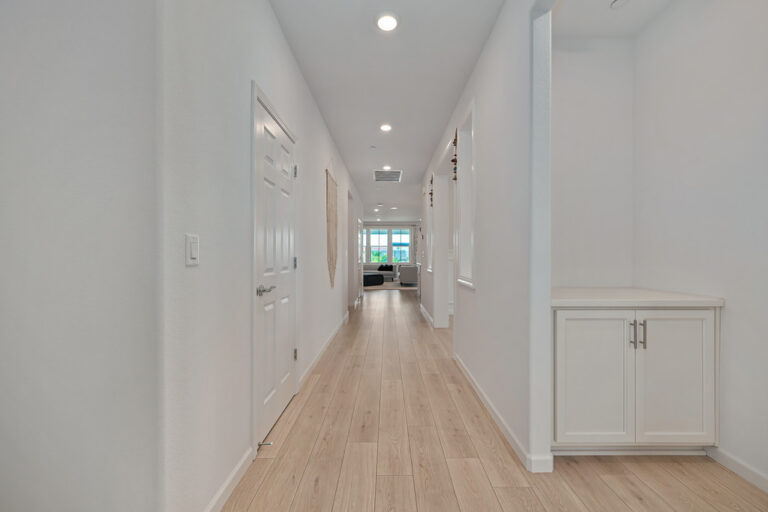
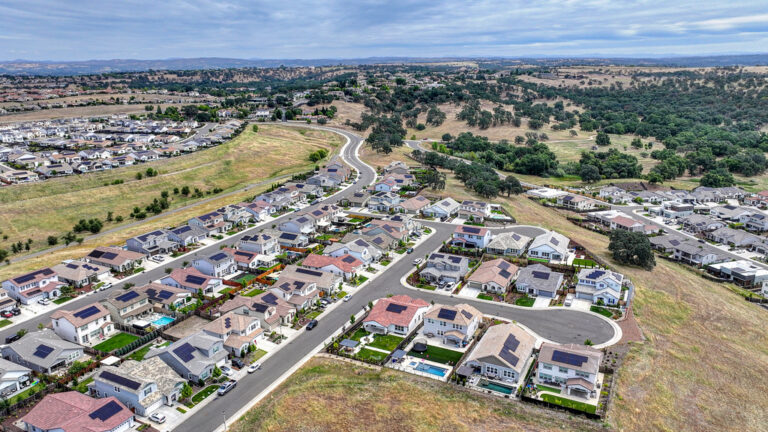
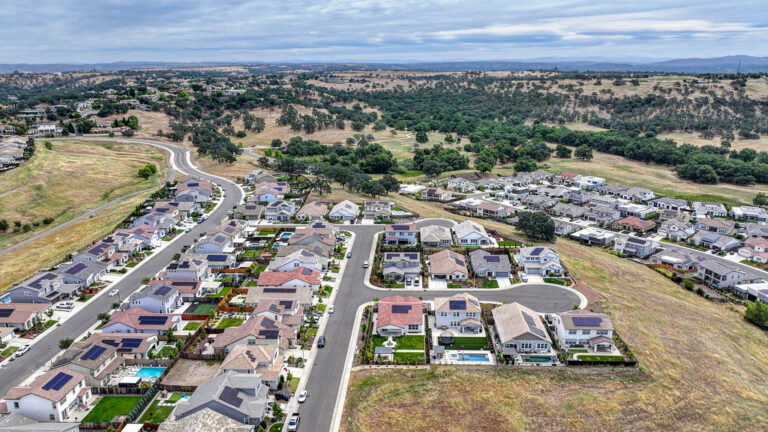
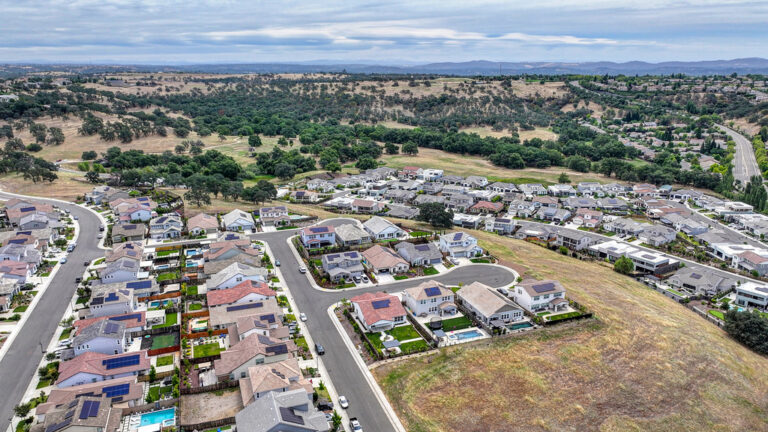
Roseville, CA sits in Placer County and anchors the northern end of the Greater Sacramento metropolitan area. At around 155,955 residents, it’s the most populous city in the county – and if you’re thinking about buying a home in Roseville, CA, you should know that up front, because it shapes everything from traffic to home prices.
The median home sale price is running around $646,000, and homes are going under contract in an average of 23 days. That’s a fast market. You don’t have a lot of time to think.
Weighing the Pros and Cons of Living in Roseville
Every city has a pitch and a catch. Roseville’s pitch is real – strong suburban infrastructure, serious retail options, and regional healthcare that most smaller cities don’t have. The catch is that you’re going to pay for it, both at closing and at the pump on your way to Sacramento.
Before you fall in love with a floor plan, it’s worth sitting with the full picture.
Pros of moving to the area
The downtown alone has over 150 shops and restaurants, and the Westfield Galleria at Roseville gives you a major regional mall without leaving the city. On the parks side, Maidu Regional Park, the Roseville Skate Park, and the Roseville Aquatic Complex give residents genuine options – not just a patch of grass with a swing set.
Cons to consider
The median sale price sitting just under $650,000 is the headline, but inventory is what makes it sharper – about 2.1 months of supply. That’s tight.
The commute to downtown Sacramento is the other one. It’s not theoretical; I-80 during morning and evening rush hours is a real daily cost. If you’re planning to work in the city center, drive that route on a Tuesday morning before you make an offer. Not on a Saturday afternoon.
Location and Population Basics for the City
Roseville covers just over 44 square miles of Placer County and serves as a northern anchor for the Sacramento-Roseville-Folsom Metropolitan Statistical Area. The 2020 census put the population at 147,773, making it the third-largest city in the Sacramento area. More recent estimates push that closer to 156,000.
It’s grown, and it’s still growing.
Proximity to Sacramento
The city runs along the I-80 corridor, which gives you a direct shot southwest into Sacramento. That’s the main connection to the state capital and to broader Northern California.
Traffic on that corridor fluctuates a lot depending on the time of day. For commuters, it’s the main artery, which means when it backs up, you feel it.
Density and age profile
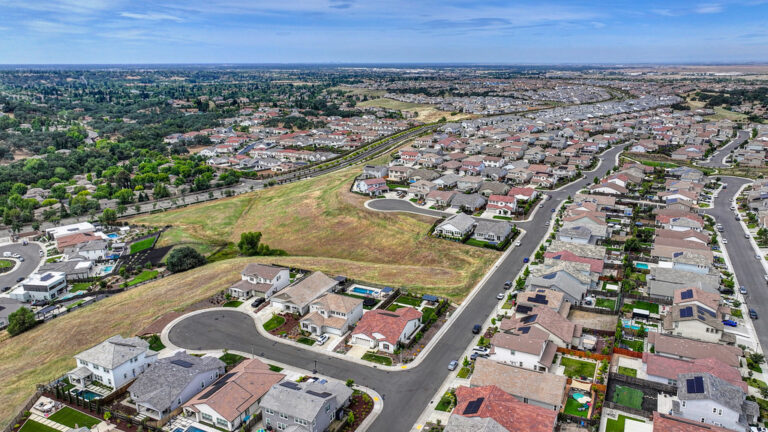
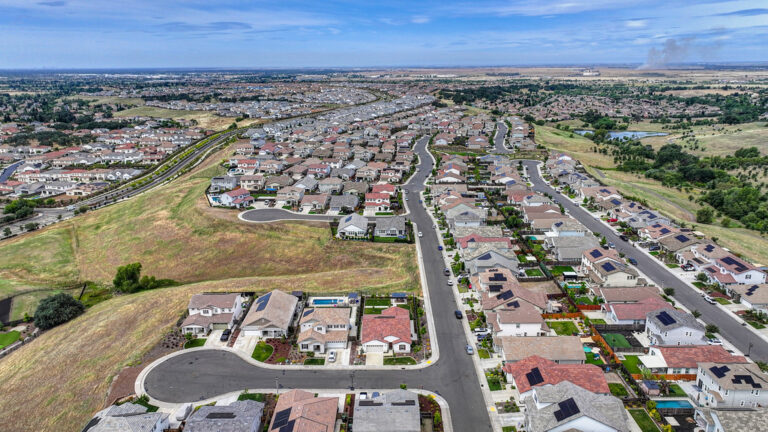
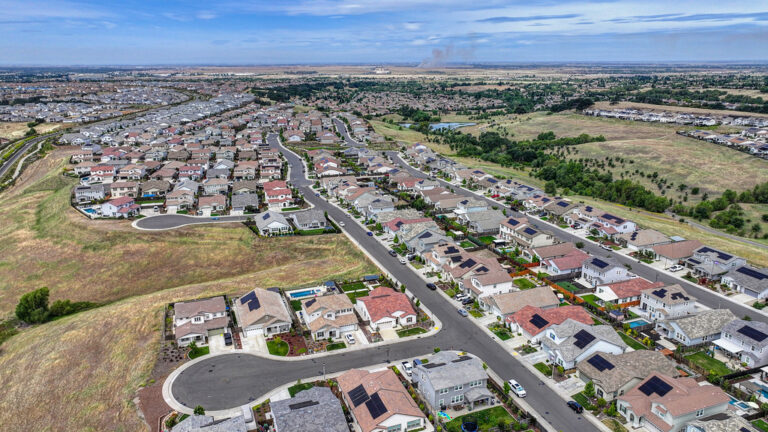
At roughly 3,210 people per square mile, you’re looking at a dense suburban layout – established neighborhoods alongside newer developments. The median age lands between 40.2 and 40.5 years, which runs slightly older than California’s overall median of 38.4 years.
Crime Statistics and Researching Local Data
The FBI’s 2024 Uniform Crime Report, released in September 2025, puts Roseville’s total crime rate at 1,639.6 incidents per 100,000 people – roughly 22.6% below the national rate of 2,119.2 per 100,000. The 2024 breakdown shows a violent crime rate of 219 per 100,000, which represents 357 incidents, and a property crime rate of 1,420 per 100,000, or 2,313 total incidents.
Those are citywide numbers. They tell you something, but not everything.
Understanding the published rates
These figures come directly from the Roseville Police Department and the FBI’s Uniform Crime Report. They’re a reasonable starting point for understanding the city at a macro level across its full 44 square miles.
What they won’t tell you is what’s happening on a specific block or in a specific subdivision. Citywide averages smooth out a lot of variation, and the street you’re buying on matters more than the city’s aggregate rate.
Where to find official local reports
The Roseville Police Department maintains an online Crime Map and a separate Crime Log & Reports page. The department specifically notes that the Crime Map gives you a more detailed geographical look at recent incidents.
If you’re serious about a particular address, use those tools. The local police logs will give you a much more accurate picture of recent activity than any third-party aggregator will.
The Cost of Living and Housing in Roseville
Placer County real estate commands a premium relative to national averages, and Roseville is no exception. The median household income here is $116,323 – about 20% higher than both the broader Sacramento metro area and the state of California as a whole. The housing costs reflect that.
Buyers coming from less competitive markets sometimes underestimate how fast things move here.
Home prices and market pace
The median home sale price is hovering around $646,000, and properties are spending an average of 23 days on the market. Nearly a third of recent sales closed above list price, and the average sale-to-list ratio is sitting at 99.5%.
That last number is the one to remember. There’s not much room for a low opener.
Household income factors
A median household income of $116,323 supports the kind of commercial and retail density you see throughout the city. It also means your competition at open houses is generally well-qualified.
When you’re building your budget, factor in property taxes, utilities, and commuting costs – not just the purchase price. The overall cost of living reflects Roseville’s position as a major commercial hub in the region, and that shows up in more than just home prices.
Community Amenities and Civic Life
Roseville maintains an extensive network of public spaces, bike trails, and playgrounds woven into the fabric of residential neighborhoods. Maidu Regional Park is the most prominent of them – large open spaces, real recreational facilities, not just a name on a map.
Healthcare is another significant piece of the local picture. Kaiser Permanente Medical Center employs over 10,000 people and ranks as one of the largest employers in the city. That’s not just a healthcare stat; it shapes the local economy and, consequently, the housing demand around it.
Parks and recreation
The Roseville Aquatic Complex and the local skate park give residents specialized facilities that go beyond the basics. The citywide park system integrates directly into many of the residential subdivisions, connected by paved bike trails. You can use this infrastructure year-round.
Shopping and entertainment
Downtown has more than 150 shops, entertainment venues, and dining options, and it functions as the city’s primary gathering space for civic events. The Westfield Galleria at Roseville anchors the broader retail landscape and draws shoppers from across the Sacramento metro area. The commercial corridor surrounding it is dense and well-developed.
Comparing Roseville to the Greater Sacramento Area
If you’re trying to decide between Roseville and somewhere else in the Sacramento-Roseville-Folsom Metropolitan Statistical Area, the honest answer is that it depends on what you’re optimizing for. Each municipality in the region offers a different trade-off between housing density, commute times, and price points.
Roseville generally comes in with higher median incomes and more retail infrastructure than many neighboring towns – but you’re paying a higher baseline for housing to access that.
Commute and location tradeoffs
The further you are from downtown Sacramento, the more I-80 becomes a factor in your daily life. Buyers who work remotely or within Placer County tend to find the location very convenient. Buyers commuting south into the city center are making a longer daily trade-off for the local amenities and newer housing stock.
That’s a personal calculation, and it’s worth being honest with yourself about it before you commit.
Housing style differences
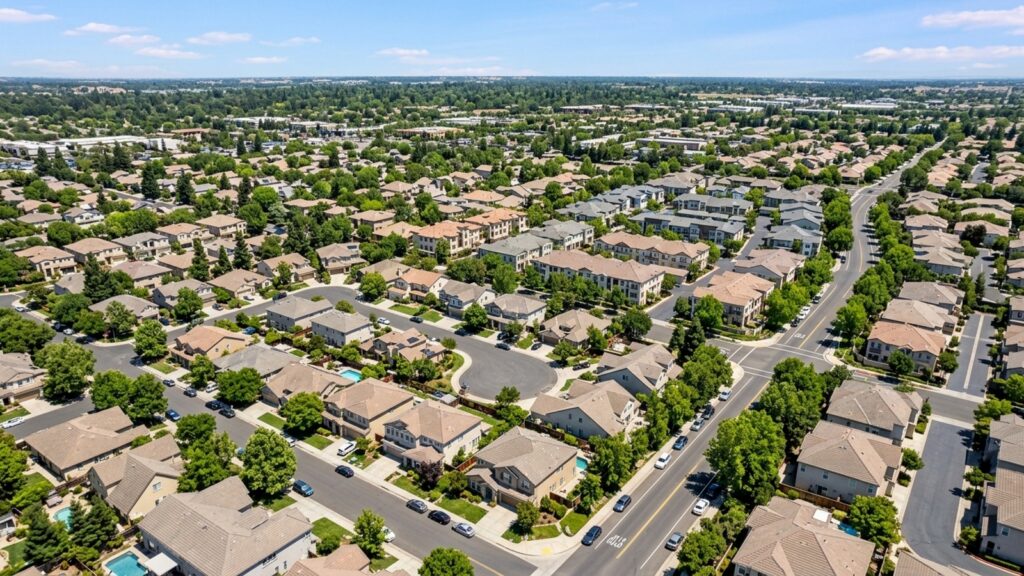
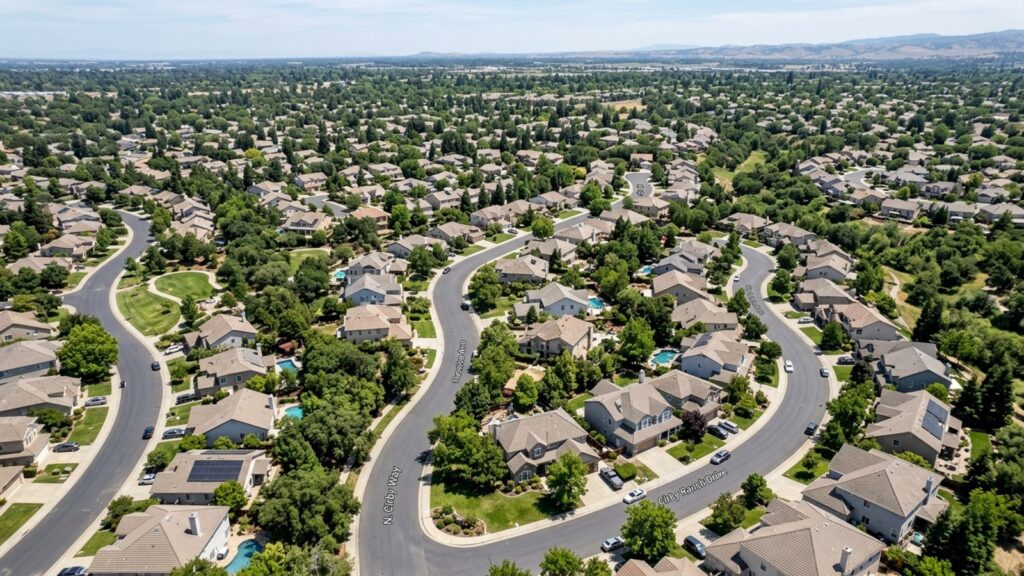
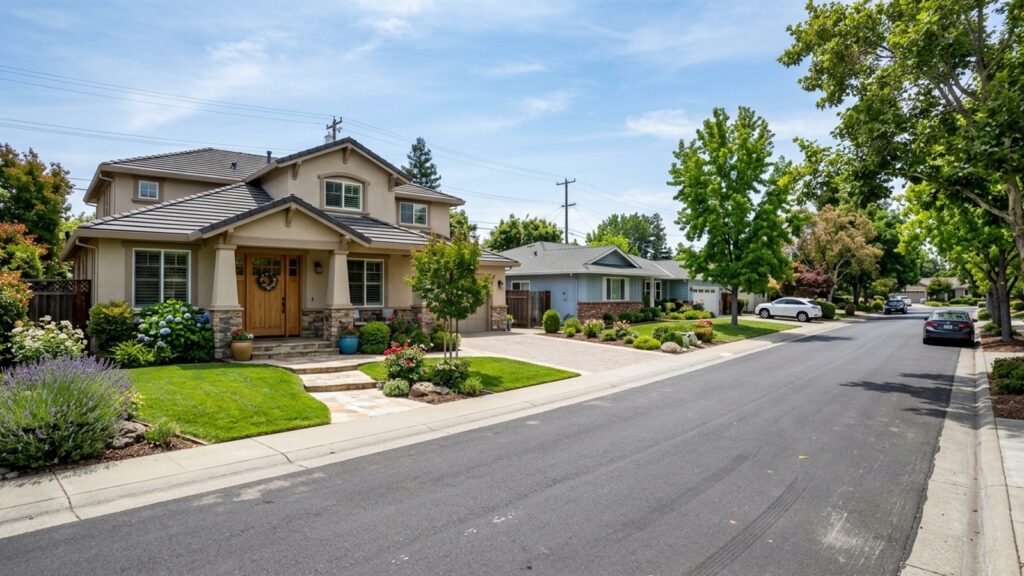
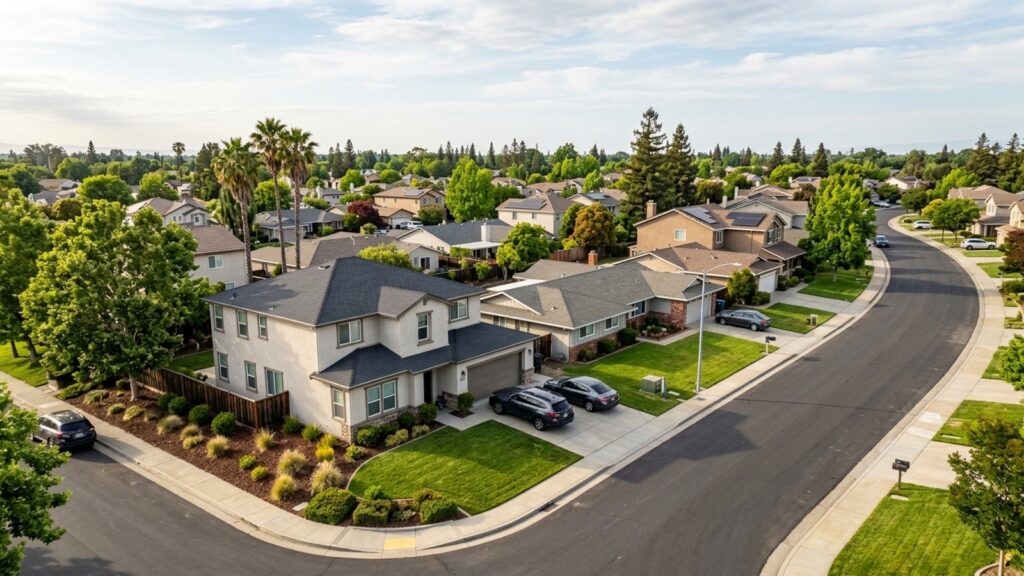
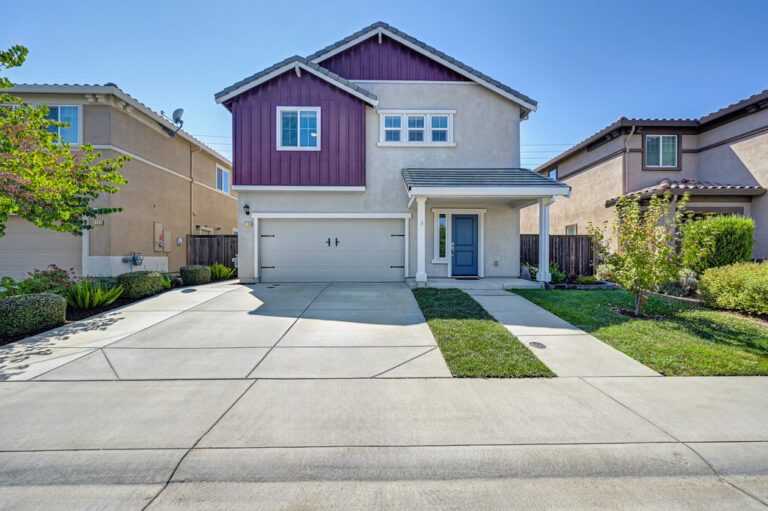
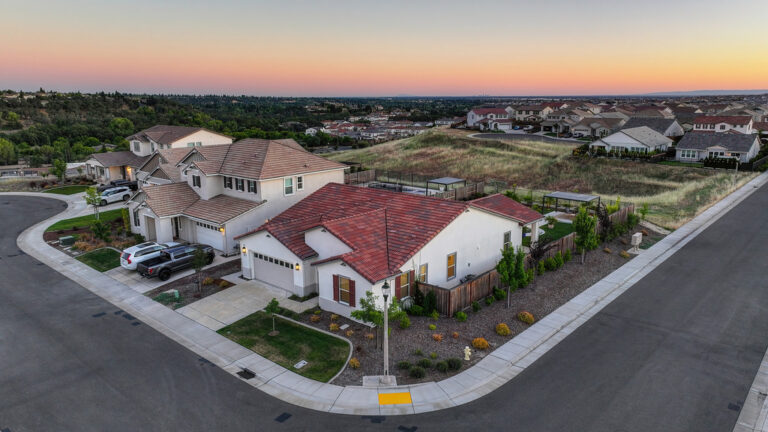
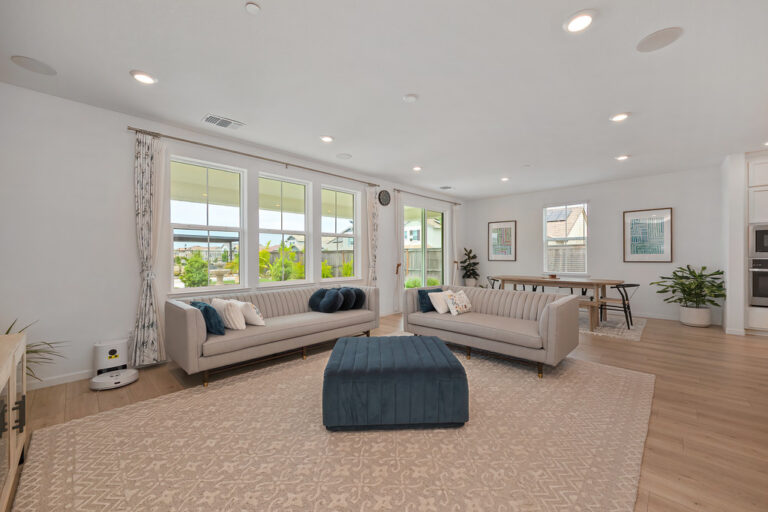
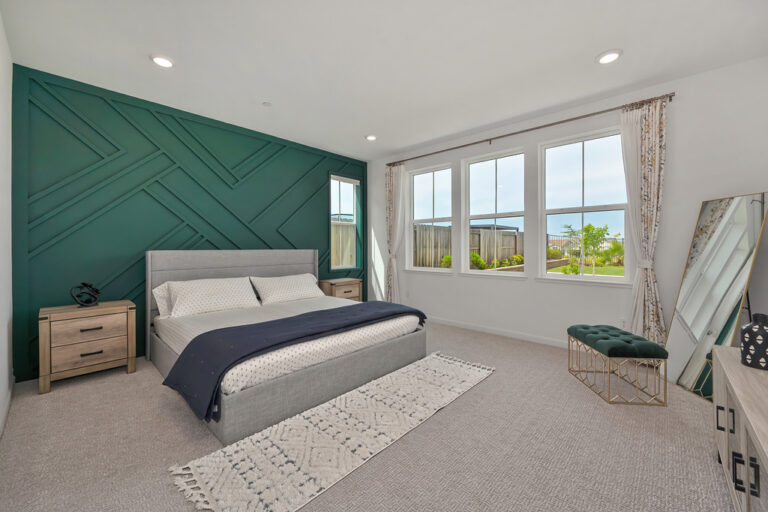
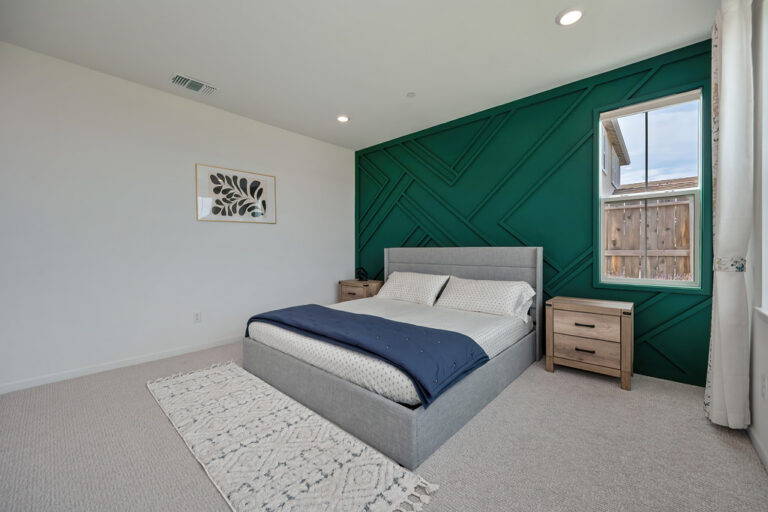
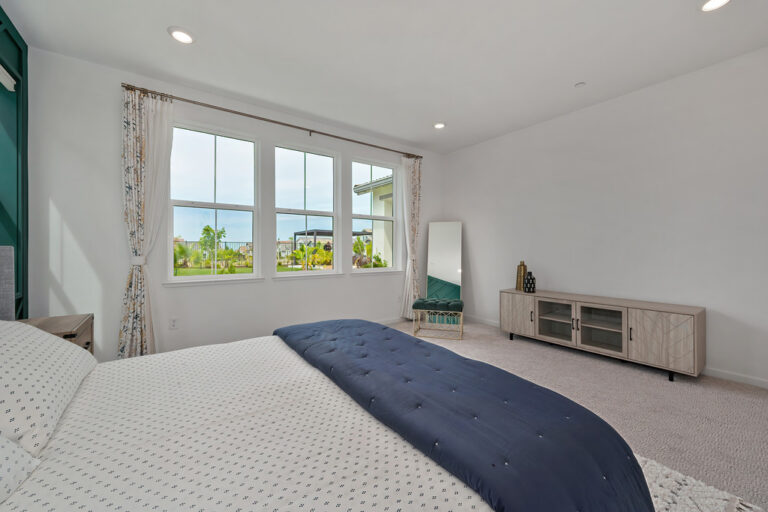
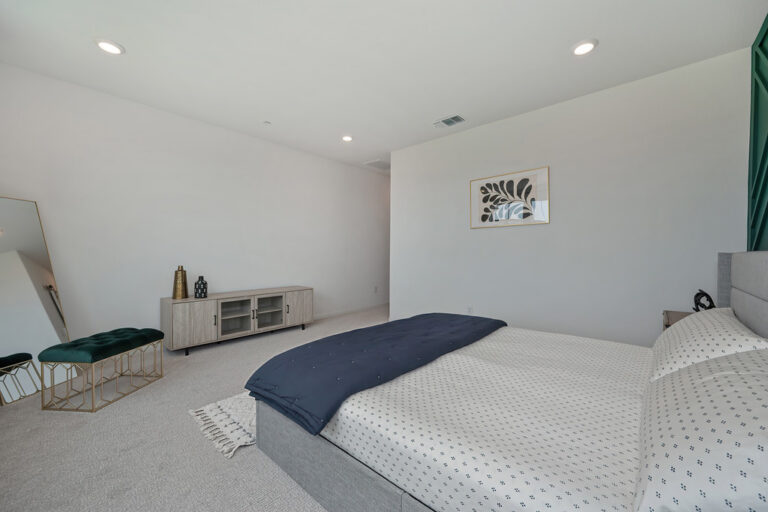
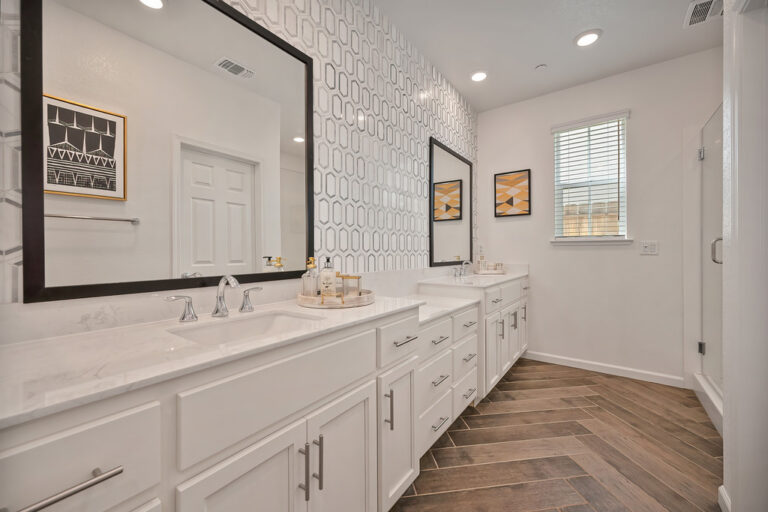
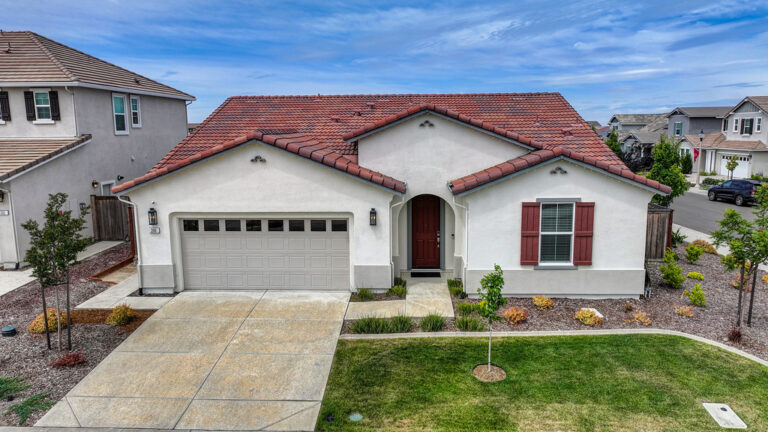
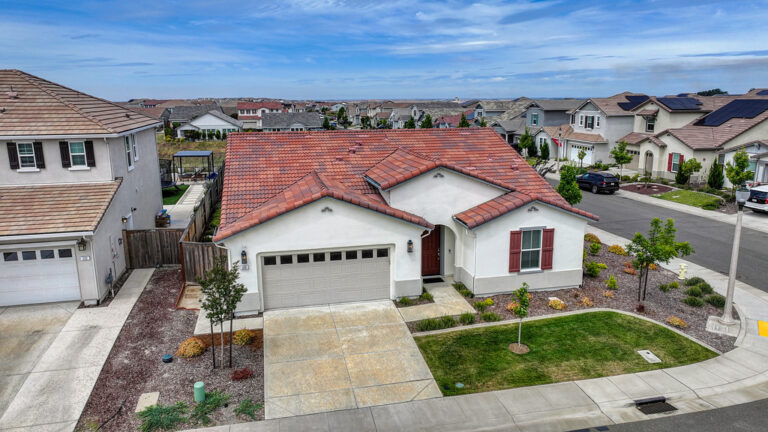
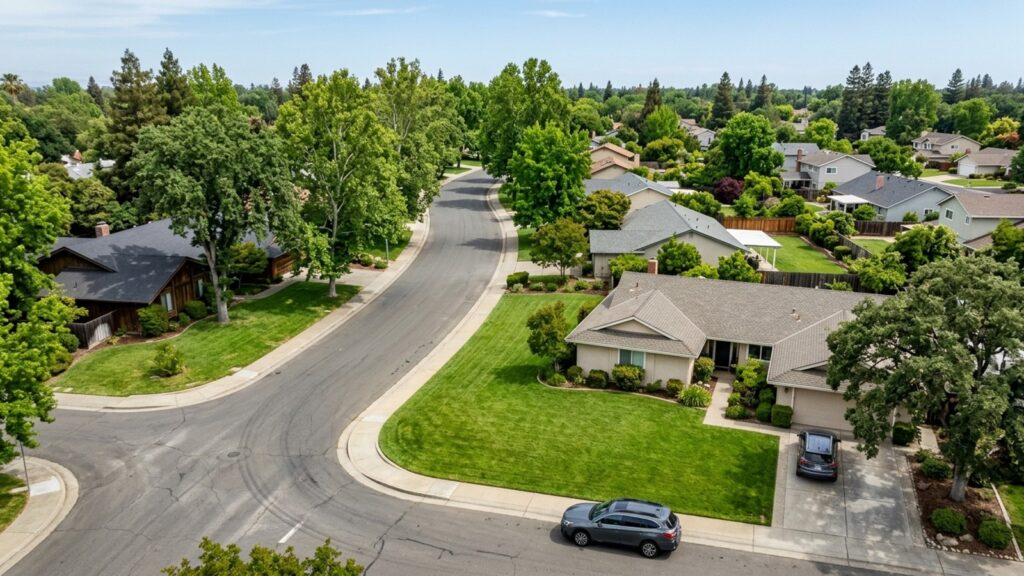
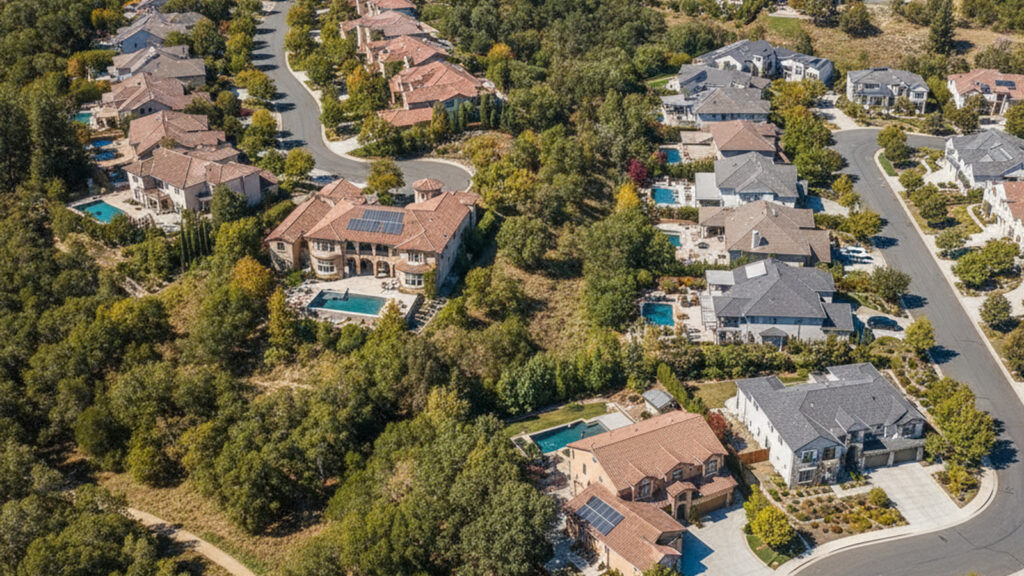
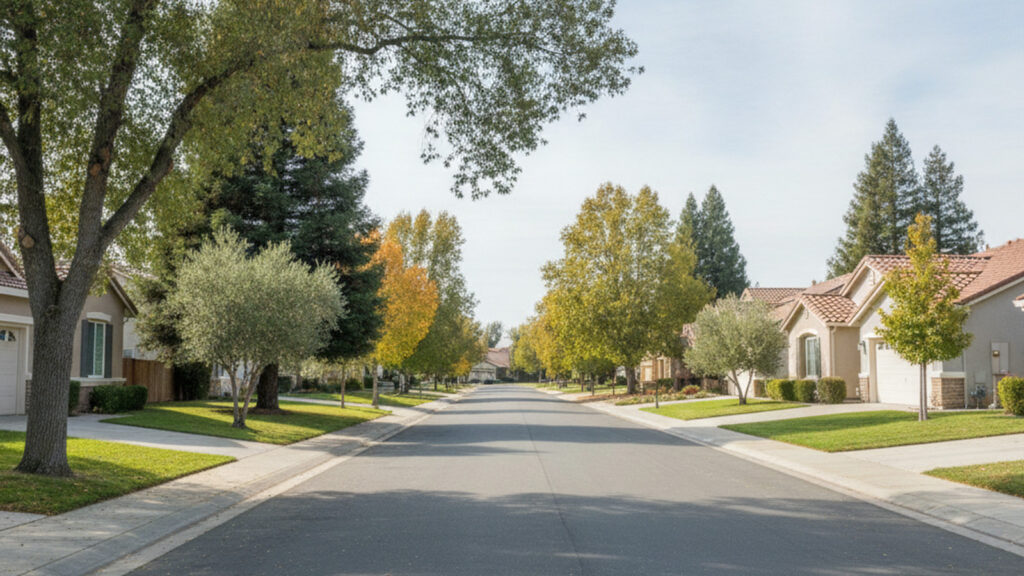
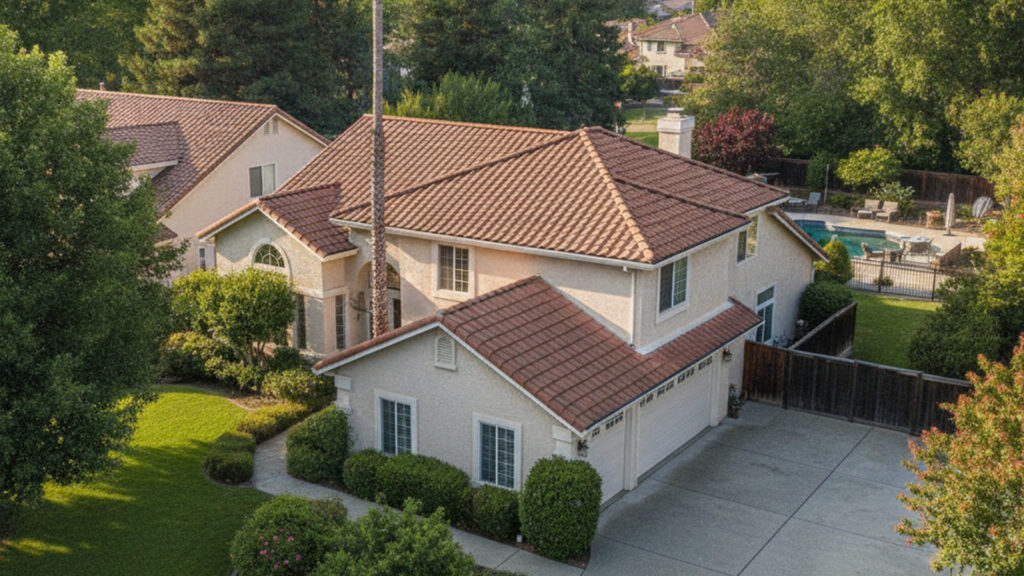
The inventory here is mostly single-family suburban homes – a mix of mid-century properties, late-90s subdivisions, and newer construction. If you’re looking for dense, walkable urban condos, you’ll find fewer options than you would in downtown Sacramento. The housing stock matches the car-dependent suburban layout, and that’s not going to change.
Specialized Housing Options in the City
Roseville’s market includes several specialized housing categories beyond the standard single-family inventory. Senior living, assisted living, and sober living environments all have a presence within the city limits, though availability for these specific property types fluctuates alongside the broader residential market.
Senior and assisted living
The city’s healthcare infrastructure supports a network of senior and assisted living communities, ranging from independent 55+ neighborhoods to full-service medical care facilities. Proximity to the Kaiser Permanente Medical Center drives meaningful demand for senior housing in this part of the city.
If you’re searching in this category, verify the specific services offered by each community directly – don’t rely on general descriptions. Local directories are the right starting point.
Sober living environments
Sober living homes operate within the city as transitional housing for individuals in recovery, with specific community rules attached to each property. Availability and pricing vary widely. For current placement options and program details, the right call is to contact local recovery organizations directly.
Frequently Asked Questions About Moving to Roseville
Is Roseville, CA a good place to live?
Roseville offers strong local amenities, including the Westfield Galleria, Maidu Regional Park, and a major Kaiser Permanente medical center. The cost of living is higher than the broader Sacramento metro area, and buyers face a competitive housing market with a median price around $646,000. The commute into downtown Sacramento can also be lengthy during peak hours.
What are the cons of living in Roseville?
Housing affordability is a primary drawback, with properties often selling in just 23 days at or near list price. The city also features a dense suburban layout that requires a car for most daily errands. Commuters working in Sacramento must navigate heavy traffic along the Interstate 80 corridor.
Is Roseville expensive to live in?
Yes, the cost of living runs higher than the state average. The median household income is $116,323, which is roughly 20% higher than the rest of California. Buyers currently face a median home sale price of approximately $646,000.
What do the crime statistics show for Roseville, CA?
According to the FBI’s 2024 Uniform Crime Report, Roseville recorded a total crime rate of 1,639.6 per 100,000 people, which is about 22.6% lower than the national average. This included a violent crime rate of 219 per 100,000 and a property crime rate of 1,420 per 100,000. Residents can view specific incident locations using the Roseville Police Department’s online Crime Map.
Is Roseville or another part of the Greater Sacramento area a better fit to live in?
It depends on your budget and commute tolerance. Roseville offers extensive retail and healthcare infrastructure but comes with higher median home prices than many surrounding towns. Buyers prioritizing a shorter drive to downtown Sacramento often choose communities located further south along the highway.
What specialized housing options are available in Roseville for seniors and assisted living?
The city features a range of senior and assisted living communities, supported by proximity to major healthcare providers like the Kaiser Permanente Medical Center. Options span from independent 55+ neighborhoods to facilities offering daily medical care. Buyers should consult local directories to check current availability and specific facility services.
Is the area a good fit for active retirees?
The city provides extensive public spaces, paved bike trails, and specialized facilities like the Roseville Aquatic Complex. Many retirement communities in Roseville are located near these recreational options and the major local healthcare centers.
What is the weather like throughout the year?
The local climate allows residents to use the citywide park system and paved bike trails year-round. Buyers moving from outside Northern California often review the typical weather patterns in Roseville to know what to expect across the seasons.