Header Coldwell Banker Realty Logo 2020

Roseville

Living in West Roseville, CA: The 2026 Vibe Check

If you haven’t driven down Baseline Road in the last few years, you might not recognize West Roseville anymore. What used to be the quiet, sleepy edge of town where the pavement turned into wheat fields has transformed into the region’s most aggressive growth hub.

We aren’t talking about the historic charm of Old Town or the established neighborhoods near the Galleria. We are talking about the 95747 zip code, specifically the area west of Fiddyment Road and Foothills Blvd. In 2026, this area feels less like a construction zone and more like a fully realized suburban destination.

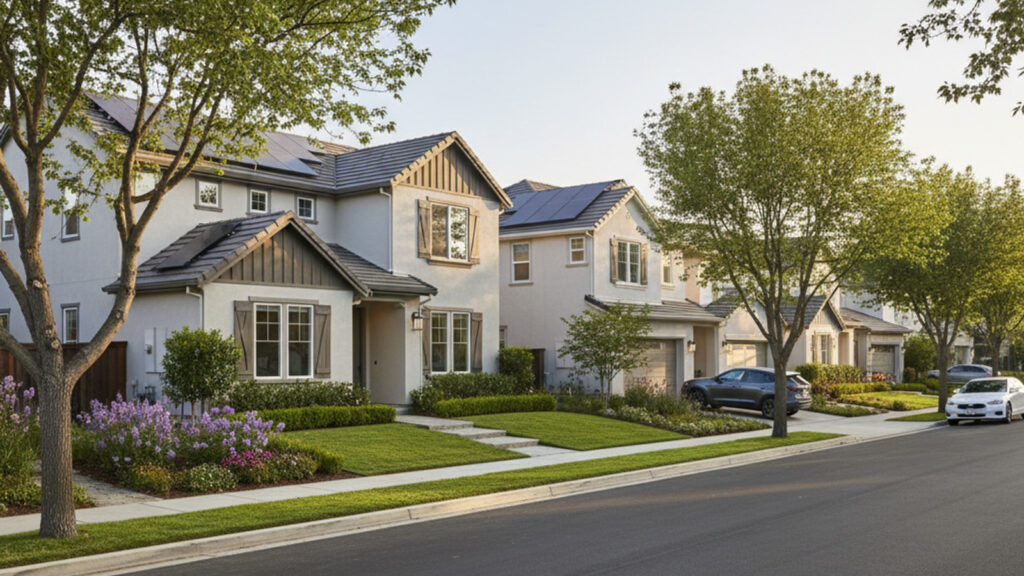
The vibe here is distinct. It’s modern, planned, and incredibly active. You’ll see a heavy influx of remote workers and residents relocating from the Bay Area who want newer infrastructure. Because most of the housing stock here was built post-2005, you don’t deal with the creaky floorboards or single-pane windows common in older sectors. It’s crisp, clean, and finally has the commercial amenities to match the rooftops.


Where is West Roseville? (95747 vs. 95678)

One of the first things that confuses buyers is the geography, so let’s clear that up. When locals talk about “West Roseville,” they are almost exclusively talking about the 95747 zip code.

This is distinct from Central Roseville/Old Town (95678), which has the historic grid layout, and East Roseville (95661), which is known for granite outcroppings and established trees near Granite Bay. West Roseville is the sprawling territory on the other side of the map.

To get your bearings, look for the major arteries. Baseline Road is your southern border and main connector to Sacramento. Pleasant Grove Blvd and Blue Oaks Blvd are the parallel veins running east-west that funnel traffic toward Highway 65. If you are looking at homes for sale in Roseville and the house is west of Fiddyment Road, you are firmly in the territory we are discussing today.


Major Developments: The New Costco & Baseline Marketplace

Let’s address the elephant in the room—or rather, the warehouse in the neighborhood. For years, the number one question from buyers was, “When do we get our own Costco?”

As of January 23, 2026, the wait is over. The Costco at 5200 Baseline Road (at the corner of Fiddyment) is officially open.

This is a massive shift for the local lifestyle. Residents no longer have to haul all the way to the Galleria area or up to Highway 65 for bulk shopping. The opening of the Baseline Marketplace has triggered a domino effect of commercial convenience. Alongside the Costco, we now have a new gas station, car wash, and a rapidly filling retail roster.

The impact on property values and convenience can’t be overstated. Having major retail anchored at Baseline and Fiddyment means West Roseville is no longer a “bedroom community” where you have to leave to buy milk. It is becoming self-sufficient.


Top Master-Planned Communities in West Roseville

The housing market here isn’t a monolith; it’s a collection of “villages” and master-planned communities, each with a slightly different personality. If you are looking for homes in these areas, here is the breakdown of the heavy hitters.

West Park This is arguably the most recognized name in the zip code. It has a distinct “village” feel with a tight-knit community atmosphere. It’s walkable, filled with pocket parks, and is the immediate neighbor to the high school. It feels established now, as the trees have had a decade to grow in the earlier phases.

Fiddyment Farm Located just north of West Park, Fiddyment Farm feels slightly more open. It incorporates more of the natural vernal pools and walking trails into its design. It’s a favorite for those who want to be close to the action but appreciate a bit more visual breathing room between subdivisions.

Winding Creek This is the newer major player. If you are looking for brand-new construction or homes built in the last 2-3 years, you’ll likely end up touring here. It borders the future commercial developments and is currently the site of significant infrastructure growth, including new schools.

Solaire & Sierra Vista These areas are where you will find the bulk of the active selling phases for new builds. Builders here are catering to modern demands—think multi-gen suites, solar-standard roofing, and smart home integration right out of the box.

Note on costs: When budgeting for any of these communities, you must factor in Mello-Roos taxes. We will touch on this in the Pros/Cons section, but know that these master plans come with a price tag for that shiny new infrastructure.


Schools & Education: What Parents Need to Know

The population explosion in 95747 forced the school districts to build fast, and in 2026, the results are impressive. The area is served by the Roseville City School District (grades K-8) and the Roseville Joint Union High School District (grades 9-12).

West Park High School is the flagship for the area. Opened in 2020, it is a state-of-the-art campus that looks more like a small college than a traditional high school. It has quickly become a central hub for community sports and events.

For younger students, the district has been aggressive in reducing overcrowding. Westbrook Elementary opened back in 2023 to relieve pressure on existing campuses. Looking slightly ahead, Winding Creek Elementary is slated to open its doors in August 2026. This is great news for buyers in the Winding Creek and Sierra Vista developments, as it will further localize the morning drop-off routine.


Pros and Cons of Living in West Roseville

Living here offers a specific lifestyle that works for many, but it isn’t perfect. Here is an objective look at the trade-offs.

The Pros

  • Modern Infrastructure: Everything works. The roads are wide, the internet is fiber-optic fast, and the utilities are underground. You also get access to incredible recreational spots like Santucci Park, which serves as a massive communal backyard for the area.
  • Safety Statistics: generally, Northwest Roseville tracks with lower crime rates compared to the older, denser central sectors. While no place is immune to crime, the layout of these subdivisions tends to discourage pass-through traffic.
  • New Housing Stock: You aren’t buying someone else’s deferred maintenance. Energy efficiency is high, which is vital during Placer County summers.

The Cons

  • The Commute: This is the biggest gripe. You are physically farther from Interstate 80 and Highway 65. If you commute to Sacramento, you are relying heavily on Baseline Road, which can get congested during rush hour.
  • Mello-Roos Taxes: This is the financial reality of West Roseville. Most homes here are in Community Facilities Districts (CFDs). These special taxes pay for the new roads, schools, and parks. They can easily add $200 to $500 per month to your mortgage payment, so you need to look closely at the tax bill, not just the purchase price.


Frequently Asked Questions

Is Costco open in West Roseville yet?

Yes. The Costco at Baseline Road and Fiddyment Road officially opened on January 23, 2026. It is fully operational and includes a fuel station.


What is the zip code for West Roseville?

West Roseville is primarily defined by the 95747 zip code. This covers the area west of Foothills Blvd and north of Baseline Road.


Does West Roseville have Mello-Roos taxes?

Yes, almost all master-planned communities in West Roseville (including West Park, Fiddyment Farm, and Winding Creek) have Mello-Roos taxes. These are special assessments used to fund the new infrastructure and schools in the area.


Is West Roseville safe?

While safety is subjective, West Roseville generally reports lower property and violent crime rates compared to older, more central parts of the city. The area is characterized by suburban residential zoning, which typically sees less transient activity than commercial hubs.

Living in West Roseville, CA: The 2026 Vibe Check Read More »

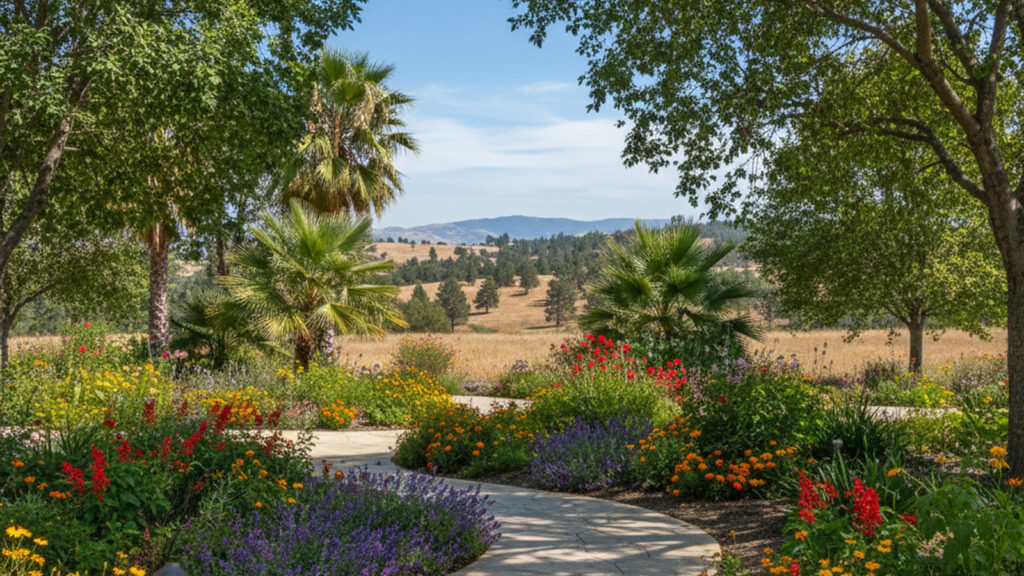
Curved flower-lined path, palms and distant hills

Sun City Roseville Homes for Sale: The Ultimate 55+ Buyer’s Guide

When you drive through the entrance of Sun City Roseville, the first thing you notice isn’t the houses – it’s the trees. Unlike the dusty construction zones of newer developments nearby, this community is lush, established, and vibrant. It feels like a park that people happen to live in.

If you are looking for active adult living in Placer County, Sun City Roseville is often considered the heavyweight champion for a reason. Built between 1995 and 2000 by Del Webb, this community of roughly 3,110 homes sits perfectly at the base of the Sierra Nevada foothills, just about 20 miles northeast of Sacramento.

But it’s not just about the location. The real draw here is the combination of a resort-style atmosphere with financial stability that is hard to find elsewhere. While new construction offers modern trends, Sun City offers mature landscaping, a settled neighborhood vibe, and a 55+ age restriction that ensures your neighbors are in the same phase of life as you are.


The Del Webb Lifestyle: Amenities & Activities

Let’s talk about what you get for your money, because the lifestyle here is the main selling point. One of the ways this community stands out is that it doesn’t just have one clubhouse; it has two distinct recreational hubs. Knowing the difference between them is key to understanding the flow of the neighborhood.

Timber Creek Lodge (The Hub) This is the heartbeat of the community. Spanning 52,000 square feet, Timber Creek is where the action happens. It houses the famous Timbers Restaurant, a massive ballroom for events, and a comprehensive fitness center. Whether you want to swim laps in the indoor pool or soak up the sun at the resort-style outdoor pool, this is the place to be.

Sierra Pines (The Quiet Retreat) If Timber Creek is “Saturday Night,” Sierra Pines is “Sunday Morning.” This 6,000-square-foot satellite center offers a much more intimate vibe. It features a deli for a quick bite, meeting rooms, and a lovely outdoor patio. It’s the perfect spot for a quiet game of croquet or meeting a smaller group of friends.

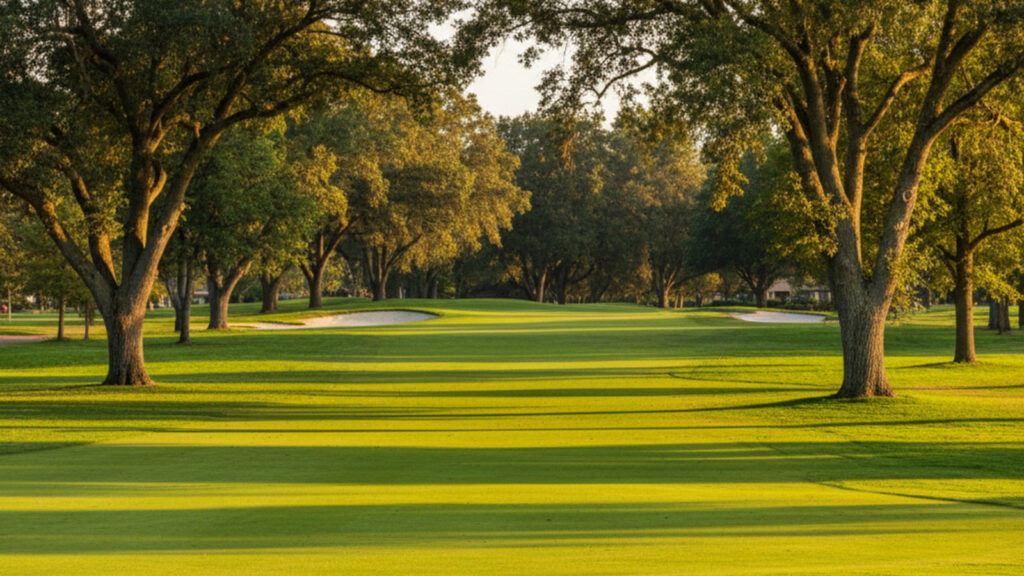
Golf and Social Scene You can’t talk about Sun City without mentioning the golf. The community boasts 27 holes total. You have the 18-hole Timber Creek course for a full round, and the 9-hole Sierra Pines executive course which is perfect for a quick game. While these courses are open to the public, residents get preferred booking windows and rates.

Beyond the fairways, the social calendar is packed. There are over 50 chartered clubs ranging from the highly competitive Pickleball and Bocce leagues to the Computer Club and Travel Club. If you have a hobby, there is likely a group here doing it.


Real Estate: Floor Plans & Home Models

One of the best things about the housing inventory here is that every single home is single-story. This is essential for long-term accessibility. Del Webb designed these homes specifically for the active adult demographic, meaning you won’t find awkward stairs or high-maintenance exteriors.

The homes range significantly in size to fit different budgets and lifestyles. You can find cozy cottage-style homes starting around 878 square feet, all the way up to estate-style models exceeding 2,600 square feet.

If you are browsing listings, you will see model names pop up frequently. The Yosemite, Shasta, and Plumas are staples in the community, while the Wilshire is often sought after for its layout.

When looking at specific lots, location matters just as much as the floor plan.

  • Golf Course Lots: These command a premium for the views of the fairways.
  • Nature Preserve Lots: These back up to the greenbelts and offer incredible privacy and bird-watching opportunities.
  • Interior Cul-de-sacs: These tend to be quieter and offer a strong sense of neighborly connection.

Currently, prices generally range from the high $400Ks for smaller cottages to the low $900Ks for premium golf course estates.


Sun City Roseville HOA Fees & Financials (2026)

This is the section that usually seals the deal for savvy buyers. When comparing active adult communities, you have to look beyond the list price and calculate the monthly carrying costs. Sun City Roseville shines here.

The Monthly Breakdown As of 2026, the HOA fee is approximately $225 per month. This fee is quite reasonable considering it covers access to both lodges, the pools, tennis courts, and maintenance of the common landscaping.

  • Note: Unlike some villages in Lincoln Hills, the HOA fee here generally does not cover the landscaping of your individual home. You are responsible for your own yard maintenance.

The “No Mello-Roos” Advantage This is a massive financial benefit. Because the community was built in the late 90s, the Mello-Roos bonds (special taxes used to fund infrastructure) have generally been paid off or have expired. If you buy a new home in Westpark or other developing areas of Roseville, you could be paying hundreds more per month in property taxes. Here, your tax bill is significantly lower.

The “Gotcha” Fee There is one fee you must be aware of to avoid surprises at the closing table. Effective July 2024, there is a $5,000 Special Use Fee (often called a transfer or buy-in fee) for new buyers. This is a one-time cost paid at closing that contributes to the capital improvement fund, ensuring the amenities stay top-notch without spiking the monthly dues for current residents.


Sun City Roseville vs. Sun City Lincoln Hills

Buyers almost always tour both of these Del Webb giants. While they share a developer, the vibe is very different.

  • Sun City Roseville: This community feels intimate. With about 3,100 homes, it’s easier to learn your way around. The trees are fully grown, providing shade and character. It feels like a traditional neighborhood that happens to have amazing amenities. Plus, the lack of Mello-Roos saves you money.
  • Sun City Lincoln Hills: This is the “big brother” up the road. It has roughly 6,700 homes and was built in the 2000s. It feels more like a resort city with a massive trail system and newer infrastructure. However, the sheer size can feel overwhelming to some, and the taxes and fees can be higher depending on the specific village.

If you want a “resort city” vibe, go to Lincoln. If you want a “cozy neighborhood” vibe with better tax benefits, stick with Roseville.


Buying or Selling? Why You Need a Specialist

Whether you are looking to downsize into the community or sell a property here, this isn’t a standard real estate transaction.

For Sellers The “For Sale By Owner” route can be tempting, but 55+ transactions come with specific compliance requirements. You need to navigate age-verification disclosures, HOA documentation, and the transfer of the Special Use Fee. A specialist ensures these specific disclosures are handled correctly so the deal doesn’t fall apart.

For Buyers You need an agent who knows the difference between a Shasta and a Yosemite model just by looking at the roofline. A local expert knows which streets have the best Mello-Roos status (none) and which ones might have lingering assessments. Furthermore, the best homes – specifically the ones with the rare nature preserve views – often sell quickly, sometimes before they even hit the major portals. Having an agent with their ear to the ground gives you a competitive edge.


Frequently Asked Questions

What are the HOA fees for Sun City Roseville in 2026?

The homeowner association dues are approximately $225 per month. In addition to the monthly dues, buyers should budget for a one-time $5,000 Special Use Fee due at closing, which helps fund capital improvements for the community.


Is Sun City Roseville a gated community?

No, Sun City Roseville is not gated. The streets are public, which contributes to a more welcoming, traditional neighborhood atmosphere rather than a fortress-like feel, though the community is patrolled and very well-maintained.


Does Sun City Roseville have Mello-Roos taxes?

Generally, no. One of the biggest financial perks of this community is that the original Mello-Roos bonds have largely expired. This results in a significantly lower property tax bill compared to newer construction homes in western Roseville.


Are golf carts allowed on the streets in Sun City Roseville?

Yes, golf carts are a primary mode of transportation for many residents. You can drive them on designated paths and residential streets to get to the lodge or visit friends, though there are restrictions on taking them onto major city thoroughfares surrounding the community.

Sun City Roseville Homes for Sale: The Ultimate 55+ Buyer’s Guide Read More »