

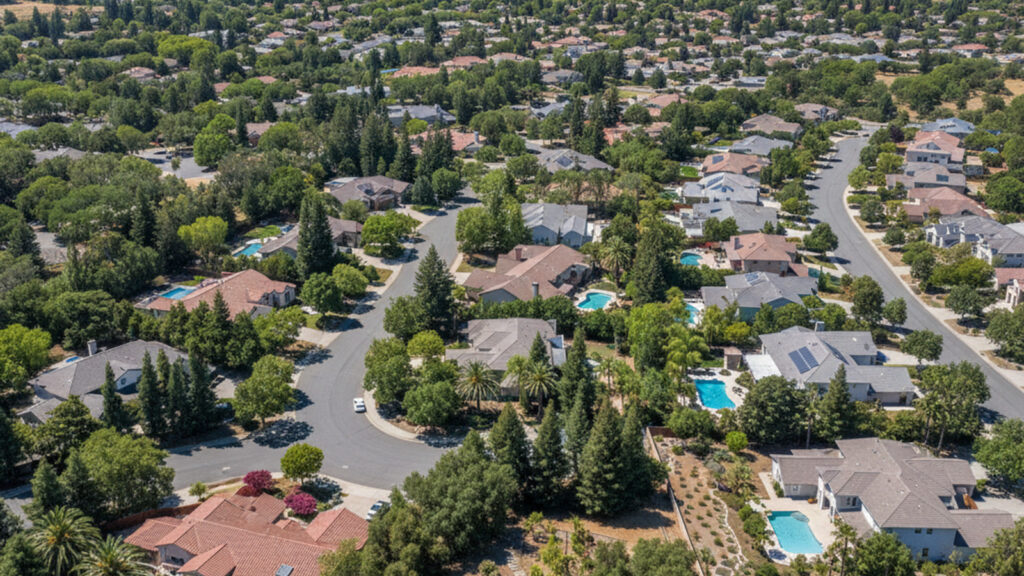
When evaluating a move to the Sacramento Valley, understanding the local environment is just as crucial as finding the right floor plan. The weather and climate in Roseville CA directly influence everything from monthly utility bills to the specific architectural features you will want in a home. Buyers often underestimate how distinct the seasonal shifts can be in this part of Placer County.
Relocating here means preparing for a landscape defined by brilliant sunshine and distinct seasonal transitions. Knowing what to expect from the elements allows you to budget accurately for cooling costs and prioritize the right property amenities. This guide breaks down the typical weather patterns and practical climate considerations for the area as of 2026.
Understanding the Mediterranean Climate in Roseville, CA
Roseville operates under a classic Mediterranean climate, which means residents experience hot, dry summers and mild, wet winters. This consistent pattern shapes the entire rhythm of the region, offering approximately 247 sunny days each year. You will not find tropical humidity here, but you will need to prepare for extended stretches of dry heat.
During the peak summer months of July and August, afternoon high temperatures regularly push into the upper 90s. It is common for the thermometer to hover between 94 and 98 degrees during the hottest parts of the day. However, the lack of humidity makes this heat feel less oppressive than similar temperatures in coastal or southern states.
Winter weather patterns bring a sharp contrast, delivering much-needed moisture to the Sierra Nevada foothills. Between November and April, the area receives the vast majority of its 20 to 22 inches of average annual rainfall. During December and January, average low temperatures dip into the upper 30s and low 40s, requiring reliable home heating systems.
One of the most significant advantages for property maintenance is the complete absence of regular winter snow. The valley floor sees zero inches of average annual snowfall, meaning you will never have to shovel a driveway. This predictable, moderate winter climate makes year-round property upkeep much simpler compared to colder regions.
How Local Weather Shapes Popular Home Features
The distinct seasonal swings in Placer County heavily dictate which housing features carry the most value on the local market. Buyers actively seek out specific amenities designed to maximize comfort during the intense summer heat and the steady winter rains. Properties equipped with climate-specific upgrades consistently command higher resale values.
Swimming pools are incredibly prevalent and remain in high demand to help residents navigate the hot summer months. A backyard pool transforms a property into a private retreat when afternoon temperatures peak. Similarly, covered outdoor living spaces – frequently marketed as California rooms – provide essential sun protection and allow for year-round entertaining.
Inside the home, modern and energy-efficient HVAC systems are an absolute necessity rather than a luxury. Whole-house fans are also a standard, highly sought-after cooling supplement in the region. These fans pull cool evening air through the house, drastically reducing the need to run the air conditioning overnight.
Winter weather demands its own set of structural priorities, particularly concerning heavy, concentrated rainfall. Durable roofing materials and properly graded drainage systems are vital to channel water away from the foundation. A home with an upgraded roof and clear, well-maintained gutters will save buyers significant maintenance headaches during the wet season.
Utility Costs and Environmental Considerations for Homeowners
Beyond comfort, the local climate directly impacts the practical financial and environmental aspects of owning a home in the area. Keeping a property cool from June through September requires significant energy usage. Fortunately, Roseville offers a unique structural advantage when it comes to monthly utility bills.
The city operates its own municipal utility, Roseville Electric, which offers highly competitive rates compared to surrounding investor-owned territories. With rates averaging around $0.20 per kilowatt-hour, local electricity is often 30 to 40 percent cheaper than neighboring regional providers. This municipal advantage makes summer cooling significantly more affordable for residents.
Water conservation is another critical environmental consideration driven by the dry summer climate. The city has ongoing mandates aimed at reducing overall water usage by 10 percent by 2030. Homeowners must adhere to local water conservation guidelines, which often dictate specific watering days and times during drought conditions.
To help meet these conservation goals, local rebate programs heavily incentivize water-wise landscaping. Buyers often look for properties that have already utilized these programs to install smart irrigation systems or replace thirsty turf with drought-tolerant plants. Additionally, residents should be aware of late-summer air quality considerations, as regional wildfires in the Sierra Nevada can bring temporary smoke into the valley.
Seasonal Access to Local and Regional Outdoor Amenities
The predictable weather patterns create exceptional opportunities for year-round outdoor recreation. Whether you prefer local paved trails or rugged mountain adventures, the climate supports an active lifestyle. The region serves as a perfect basecamp for accessing varied Northern CA landscapes.
Spring and fall offer the most ideal, moderate weather for exploring the immediate area. These transition seasons provide perfect conditions for hiking or cycling the popular Miner’s Ravine Trail without the burden of extreme heat. When summer arrives, residents quickly shift their focus to water-based activities.
The local climate allows for excellent seasonal variety without typical travel barriers. Residents enjoy distinct recreational options depending on the time of year:
- Nearby Folsom Lake becomes a primary summer destination, offering expansive waters for boating and paddleboarding.
- The Sierra Nevada mountains are just a 1.5 to 2-hour drive away, providing world-class winter skiing and snowboarding.
- The lack of snow on the valley floor ensures uninterrupted access to local parks and golf courses throughout the entire winter.
This geographic positioning means you can easily drive to the snow for a weekend trip while keeping your daily commute entirely ice-free. It is a major selling point for buyers who want access to winter sports without the daily hassle of winter weather.
Frequently Asked Questions About Roseville Weather
Is Roseville considered a desert climate?
No, the area is not a desert, despite the very dry summer months. It is officially classified as a Mediterranean climate, which is characterized by hot, dry summers and mild, wet winters. The region receives roughly 20 to 22 inches of steady rainfall annually, which easily disqualifies it from being a true desert environment.
Is Roseville cooler than Sacramento?
The temperatures in Roseville are generally identical to those in nearby Sacramento, as both sit within the same geographical valley. On any given day, the high and low temperatures will usually be within one or two degrees of each other. Both cities experience the same cooling delta breezes that occasionally blow in from the coast during summer evenings.
What are common natural disasters or weather risks in Roseville?
Extreme heat during the summer is the most consistent weather risk, requiring reliable air conditioning and hydration. Residents also monitor seasonal air quality, as late-summer winds can push smoke from Sierra Nevada wildfires down into the valley. Localized street flooding can occasionally occur during heavy winter rainstorms, making proper property drainage essential.