

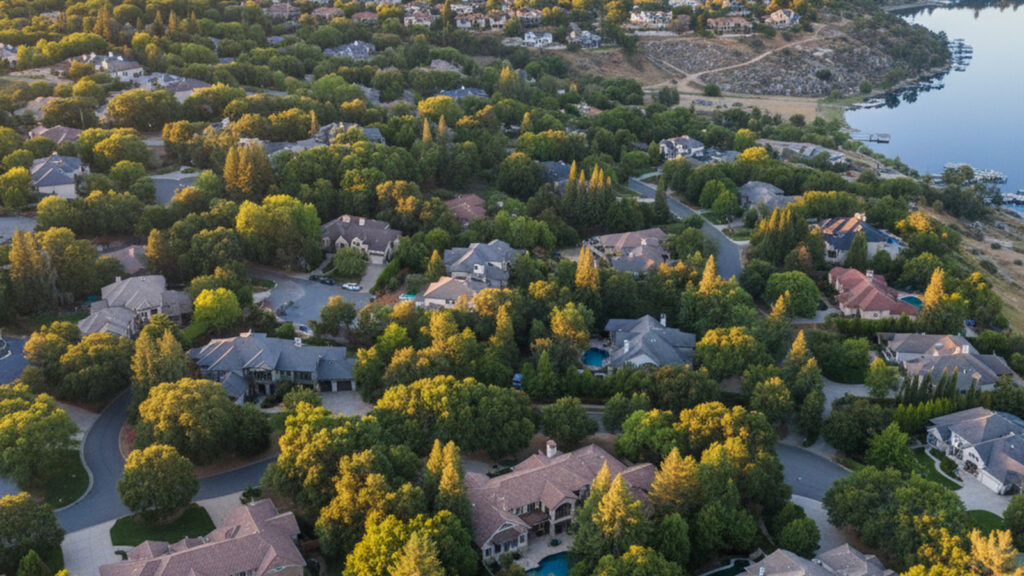
Roseville, CA, routinely captures the attention of homebuyers looking to relocate to Northern California. Situated in Placer County just northeast of Sacramento, this city balances expansive retail infrastructure with established residential subdivisions, making it a prime target for relocation.
The 2026 real estate landscape in Roseville presents a distinct mix of new construction and mature developments. Buyers researching the question “is roseville ca good for families” often look closely at the objective data surrounding the local school districts and property tax structures.
Understanding these practical details helps buyers make informed decisions before submitting an offer in this highly active market. Navigating the nuances between the eastern and western halves of the city requires a solid grasp of local HOA fees, commute patterns, and access to daily amenities.
What Draws Homebuyers to Roseville, CA?
Roseville serves as a primary economic and residential hub within Placer County, California. The local landscape features a high concentration of retail centers, medical facilities, and master-planned communities. This robust infrastructure provides residents with immediate access to daily necessities, eliminating the need to constantly travel into central Sacramento for shopping or services.
The city also benefits from a strong local economy characterized by a low unemployment rate. Major employers in healthcare, technology, and retail anchor the job market, drawing professionals from across the state. The presence of the Roseville Auto Mall and numerous corporate offices further stabilizes the municipal tax base, which directly funds local public services.
Geographic positioning plays a major role in sustained buyer interest. Located directly along the Interstate 80 corridor, Roseville offers a straightforward route to the Sierra Nevada mountains to the east and the Bay Area to the west. This strategic location provides a highly functional base for those who commute for work or travel frequently for recreation.
Roseville CA School District Academic Performance
The local education infrastructure is a primary focus for many buyers moving to Placer County. Public schools in Roseville operate under a few distinct districts, depending on the specific neighborhood boundaries. The Roseville City School District generally covers kindergarten through eighth grade for a large portion of the city, operating numerous neighborhood campuses.
Recent objective data highlights the performance of these local institutions. During the 2025-2026 academic year, the Roseville City School District scored in the highest performance tier across all academic categories on the California School Dashboard. Buyers specifically seeking certain elementary boundaries often look closely at the Dry Creek Joint Elementary District, which serves the western and southwestern portions of the city.
Older students typically attend schools within the Roseville Joint Union High School District, known for comprehensive college preparatory courses and modern campus facilities. Granite Bay High School, located just outside the eastern city limits, frequently ranks among the top-performing high schools in Northern California. These high schools offer extensive Advanced Placement programs and specialized career technical education pathways.
Roseville CA Housing Market: Median Price and Property Types
The 2026 housing market in Roseville offers options ranging from established single-family homes to extensive new construction developments. As of early this year, the median home value in the city ranges from approximately $640,000 to $690,000, depending heavily on the specific ZIP code. These price points reflect a stable, active market where correctly priced homes move steadily, often featuring classic California stucco exteriors and concrete tile roofs.
Buyers must factor local tax structures into their monthly payment calculations before finalizing their budget. Placer County effective property tax rates typically sit between 1.07% and 1.30% of the assessed property value. Many newer subdivisions, particularly in the 95747 ZIP code, carry Mello-Roos fees to fund local infrastructure like roads, utility lines, and new fire stations.
Understanding these supplemental taxes is crucial, as they directly impact the total monthly carrying cost of a property.
Top Neighborhoods in Roseville CA
The city is broadly divided into East Roseville and West Roseville, each offering a distinctly different style of living. East Roseville features established neighborhoods like Stoneridge and Johnson Ranch, characterized by mature trees, custom homes, and proximity to Granite Bay. Older, centrally located areas like Highland Reserve and Diamond Oaks offer larger lot sizes without the burden of modern Mello-Roos fees, appealing to buyers looking for established landscaping.
West Roseville is defined by rapid expansion and large master-planned communities like Westpark and Fiddyment Farm. These newer developments provide buyers with energy-efficient builds, modern floor plans, and extensive community amenities integrated directly into the subdivisions. These western neighborhoods operate under structured Homeowners Associations that maintain the common areas, manage neighborhood parks, and enforce community architectural standards.
Parks and Recreation Facilities in Roseville CA
The city maintains an extensive network of public parks and recreational facilities funded by local municipality budgets. Mahany Park serves as a central hub for outdoor activities, featuring a universally accessible playground, expansive lighted sports fields, and a dedicated dog park. This sprawling campus also houses a branch of the public library and the Roseville Aquatics Complex, which includes a competition-sized pool.
Buyers who prioritize outdoor exercise often gravitate toward properties located near the local paved trail systems. The Miner’s Ravine Trail offers miles of continuous pathways that wind through the eastern portions of the city and connect directly to the downtown corridor. This trail is heavily utilized year-round by cyclists, runners, and pedestrians seeking off-street routes.
Beyond physical parks, the local government organizes a robust schedule of community events and recreational programs. These programs utilize the various community centers spread throughout the city, offering everything from adult sports leagues to specialized hobby classes. Having these well-maintained public spaces nearby adds tangible value to the local real estate market and enhances the daily routine for residents.
Commute Times From Roseville CA to Sacramento
Transportation logistics are a vital consideration for buyers employed outside of Placer County. Roseville provides direct access points to Interstate 80 and Highway 65, the two primary traffic arteries serving the region. Navigating the interchange between these two highways during peak hours requires planning, as traffic volumes remain consistently high during the morning and evening rushes.
The distance from central Roseville to downtown Sacramento is roughly 20 to 25 miles. During off-peak hours, this drive takes about 30 minutes, but commuters should expect a 30 to 45-minute trip during standard rush hour conditions. Buyers should test this drive during their actual commuting hours before finalizing a home purchase to ensure the logistics align with their schedule.
Alternative transit options exist for those looking to avoid daily highway driving. The Capitol Corridor train station in historic downtown Roseville provides rail service directly into Sacramento and the broader Bay Area. Additionally, the Sacramento International Airport is located approximately 35 minutes away via surface streets and Interstate 5, making out-of-state business travel relatively convenient.
Healthcare and Medical Centers in Roseville CA
Access to robust healthcare infrastructure is a major draw for buyers evaluating this specific Northern California market. The city is home to several major medical centers, ensuring residents have immediate access to comprehensive care without traveling to Sacramento. Sutter Roseville Medical Center and Kaiser Permanente Roseville Medical Center operate large, modern campuses right within the city limits.
These medical facilities also function as major local employers, stabilizing the local economy and driving consistent housing demand. Medical professionals frequently purchase homes in nearby neighborhoods like Stoneridge or East Roseville to minimize their daily commute to the hospital campuses. The presence of these level-two trauma centers provides significant peace of mind for residents requiring specialized care.
This healthcare infrastructure is complemented by an equally impressive commercial sector. The Westfield Galleria at Roseville, one of the largest and highest-grossing shopping centers in Northern California, sits just minutes from the major hospitals. Having top-tier medical care and high-end retail in the same immediate vicinity creates a highly functional suburban environment that retains property value.
Frequently Asked Questions About Living in Roseville CA
Is Roseville CA a wealthy area?
Roseville features a strong local economy with a median household income that consistently outpaces the broader California state average. The city includes high-end luxury neighborhoods, particularly in East Roseville near Granite Bay, alongside more moderately priced subdivisions. This economic stability is supported by high-paying local jobs in the healthcare, technology, and financial sectors.
What are the property crime and violent crime rates in Roseville?
The property crime rate and violent crime rate in Roseville generally track lower than the California state averages. Local law enforcement maintains a highly visible presence throughout the commercial corridors and residential sectors. Buyers are encouraged to review the public 2026 crime statistics provided by the local police department for specific neighborhood data.
How does the cost of living in Roseville compare to Sacramento?
The overall cost of living in Roseville is slightly higher than in the city of Sacramento, driven primarily by elevated housing costs. While daily expenses like groceries and utilities are comparable, the median home value in Roseville requires a larger initial capital investment. However, many buyers find the extensive local amenities, newer infrastructure, and public services justify the premium.