

For a long time, the narrative in the Sacramento region was pretty simple: If you are young, single, and want a social life, you live in Midtown. If you want a big lawn and a minivan, you move to the suburbs. But that line is getting blurrier every year, and living in Roseville is becoming a top-tier option for young professionals who are ready to trade grit for comfort.
Roseville has evolved from a standard bedroom community into a regional lifestyle hub. It attracts a specific demographic: professionals in their 20s and 30s who prioritize modern amenities, safety, and high-end housing over the dense, walk-to-the-club atmosphere of downtown Sacramento. If you are looking for a place where you can park your car without a permit, hit a luxury gym, and grab a craft cocktail all within a two-mile radius, this might be your spot.
Let’s break down what life in Roseville actually looks like for the career-focused crowd.
The Roseville Job Market: More Than Just a Commute
One of the biggest misconceptions about Roseville is that everyone who lives here drives to Sacramento for work. While plenty do, Roseville is a massive economic engine in its own right. If you work in healthcare or tech, you might find your commute is only ten minutes down surface streets.
This city is arguably the healthcare capital of the region. You have massive campuses for both Sutter Health and Kaiser Permanente, which act as huge magnets for nurses, doctors, and medical administrators. If you are in the medical field, living here puts you right next to the region’s top employers.
Beyond healthcare, the tech and industrial sectors are expanding rapidly. Bosch recently announced a massive $1.5 billion investment to expand semiconductor manufacturing here, and PRIDE Industries continues to be a major player.
For the retail and hospitality pros, the sheer volume of commerce generated by the Westfield Galleria and The Fountains supports thousands of jobs. And let’s not forget the hybrid workers—because homes and apartments here tend to be more spacious than those closer to the city core, Roseville is incredibly popular for remote workers who need a dedicated home office without feeling cramped.
Commuting Reality: The I-80 and Hwy 65 Factor
If you do work in downtown Sacramento, we need to have an honest talk about the drive. Transportation is usually the biggest “con” on the pros and cons of Roseville list.
The interchange where Interstate 80 meets Highway 65 is widely known as “The Bottleneck.” During peak rush hours—generally 7:00 to 9:00 AM and 3:30 to 6:00 PM—traffic here slows to a crawl.
- Without traffic: You can zip from Roseville to the Capitol Mall in about 25–30 minutes.
- With traffic: You should budget 45–60 minutes, sometimes more if there is an accident.
However, you have options. The Roseville Transit Commuter Bus is a very popular workaround for state workers. It has Wi-Fi, which allows you to log on and start your day while someone else handles the driving. There is also the Amtrak Capitol Corridor, which stops in Roseville. It’s a more relaxing way to travel, though you are tied to their train schedule.
Cost of Living: Rents, Utilities, and Value
Roseville isn’t “cheap,” but it offers a value proposition that is hard to beat, especially if you are coming from the Bay Area. You are generally paying for newness and safety.
Rents here run higher than in some older Sacramento suburbs because the inventory is newer and the demand is high.
- 1-Bedroom: Expect to pay roughly $1,850 to $2,100 per month.
- 2-Bedroom: These usually land between $2,200 and $2,500 per month.
- Luxury Builds: If you are looking at the newest complexes near Westpark or the Galleria with resort-style pools and co-working lounges, rents can easily push past $2,700.
The “Roseville Electric” Advantage
Here is the financial secret weapon of living here: Roseville Electric. Unlike surrounding towns (like Rocklin or Sacramento) that use PG&E or SMUD, Roseville owns its own utility provider.
This is a massive deal for your monthly budget. Electric rates here can be 30% to 50% lower than PG&E territories. When you are running the AC during a 100-degree July week, that difference saves you hundreds of dollars. It effectively subsidizes a portion of your higher rent.
Lifestyle: Shopping, Dining, and “The Vibe”
The vibe here is “upscale suburban.” You aren’t going to find gritty underground clubs, but you will find high-end consumption and polished social spots.
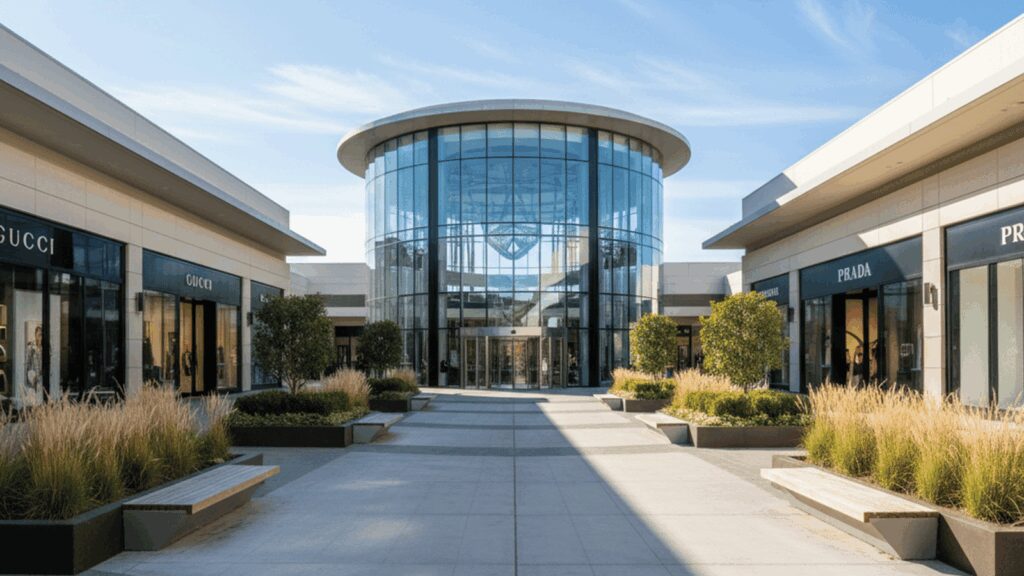
Shopping is the anchor of the local economy. The Westfield Galleria at Roseville isn’t just a mall; it’s one of the largest shopping centers in Northern California, featuring luxury brands like Gucci and Louis Vuitton. Across the street, The Fountains offers an open-air boutique experience.
Dining has shifted away from just big chains to more chef-driven local concepts. Places like Q1227 (modern comfort food) and Chef’s Table have put Roseville on the foodie map.
Nightlife for young professionals here revolves around socializing rather than partying. Think breweries, wine bars, and trivia nights. The Goldfield Trading Post on Vernon Street brings in live music and a younger crowd, and the downtown strip is great for a bar crawl that ends at a decent hour.
Outdoor Recreation and Fitness
If your weekends involve Strava stats or hiking boots, Roseville is well-positioned. The city maintains an incredible network of open space, but the crown jewel is the Miner’s Ravine Trail. This paved trail runs for miles through the city, connecting neighborhoods and offering a safe, scenic route for runners and cyclists away from car traffic.
For bigger adventures, you are geographically spoiled:
- Folsom Lake: Only about 20 minutes away for paddleboarding or boating.
- Lake Tahoe: You can be on the ski slopes or hiking trails in about 1.5 hours via I-80.
- Social Golf: Topgolf in Roseville is a massive social hub for young adults, serving as the go-to spot for Friday night hangouts.
Best Roseville Neighborhoods for Young Professionals
Roseville is large, and the neighborhood you pick determines your lifestyle. Here are a few areas that make sense for singles and young couples:
- Downtown / Old Roseville: This area has the most character. You’ll find renovated bungalows and walkability to Vernon Street Town Square. It’s perfect if you want to walk to coffee shops, breweries, and local festivals.
- Highland Reserve: This is all about convenience. You are walkable to the Galleria, The Fountains, and Whole Foods. It’s located right off the freeway, making it the best choice for commuters who want to minimize time on surface streets.
- Westpark: Located in West Roseville, this is a master-planned area with brand-new apartments and homes. It’s quiet and modern. The downside is that it is far from the freeway (adding 15 mins to your commute), but it’s very popular for remote workers who want a shiny, modern space.
- Stoneridge / Olympus Pointe: These neighborhoods sit on the east side, very close to the Sutter and Kaiser campuses. If you are a medical professional, living here means you can practically roll out of bed and into work. It’s scenic, hilly, and quieter than the mall area.
Roseville vs. Rocklin vs. Midtown Sacramento
If you are on the fence, here is how Roseville stacks up against its neighbors.
Vs. Midtown Sacramento: Choose Midtown if you need walkable nightlife, indie art scenes, and don’t mind street parking or homeless encampments. Choose Roseville if you want in-unit laundry, easy parking, safety, and a “resort” feel to your apartment complex.
Vs. Rocklin: Roseville and Rocklin are virtually indistinguishable to an outsider; they border each other and share amenities. However, Rocklin is slightly further up the hill (adding to the commute) and uses PG&E, which means your utility bills will be significantly higher. Roseville usually wins on the cost of living front purely due to electricity rates.
Verdict: Is moving to Roseville right for you?
Roseville isn’t trying to be San Francisco, and it isn’t trying to be a sleepy retirement village. It has carved out a niche as the “capital” of Placer County—a place where convenience meets quality.
This city is perfect for the young professional who feels like they have “grown out” of the chaos of city living. If you want a luxury apartment, a short drive to Whole Foods, reliable parking, and proximity to Tahoe for the weekends, Roseville is likely the best option in the region. If you need a walkable city grid and clubs that stay open until 2 AM, you might find it a bit too quiet. But for those focused on career growth and a high-quality home base, it’s hard to beat.
Frequently Asked Questions
Is Roseville, CA expensive to live in?
Roseville is generally more expensive than other Sacramento suburbs regarding rent and home prices due to high demand and newer inventory. However, residents save a significant amount of money monthly because Roseville Electric provides utilities at rates 30-50% lower than PG&E.
Does Roseville have a nightlife?
Roseville has an active “social” nightlife rather than a club scene. You will find plenty of breweries, wine bars, upscale lounges, and venues like Topgolf and Goldfield Trading Post, but the city quiets down earlier than downtown Sacramento.
How long is the commute from Roseville to Sacramento?
Without traffic, the drive to Sacramento takes about 25 to 30 minutes. However, during rush hour (7-9 AM and 3:30-6 PM), the congestion at the I-80/Highway 65 interchange can push that drive to 45 or even 60+ minutes.
Where do single professionals live in Roseville?
Single professionals often flock to Highland Reserve for its proximity to shopping and the freeway, or Downtown Roseville for a more walkable, historic vibe with easy access to bars and restaurants. Westpark is also popular for those who prioritize modern, luxury apartment complexes over commute times.