

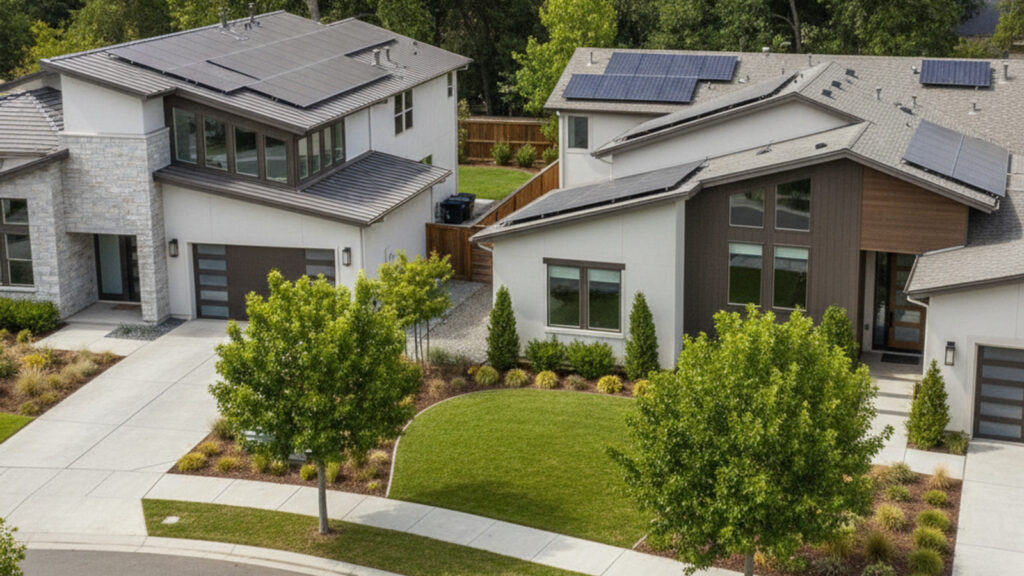
As we move through the spring of 2026, the local property landscape in Placer County continues to show remarkable resilience. Buyers and sellers evaluating the Roseville CA real estate market are finding a balanced yet competitive environment. Steady regional growth and expanding infrastructure have kept demand consistently strong.
Navigating property transactions this year requires a clear understanding of shifting inventory levels and localized pricing trends. Whether you are looking at established neighborhoods near the city center or exploring new developments on the western edge, preparation is key. Having accurate, up-to-date information is the best way to make a confident real estate decision in this region.
2026 Roseville CA Real Estate Market Overview
The current state of the Roseville housing market remains a steady seller’s market as of April 2026. Consistent demand is largely driven by robust local employment opportunities and significant ongoing infrastructure improvements. These factors help maintain property values even as broader national economic conditions fluctuate.
Median home values in the city are currently hovering between $640,000 and $690,000. Year-over-year pricing has shown remarkable stability, with modest changes ranging from a 1.3% dip to a 2.3% increase depending on the specific neighborhood. This relatively flat trajectory provides a predictable baseline for buyers trying to calculate their long-term housing costs.
Looking at Placer County as a whole helps contextualize Roseville’s specific performance. The broader county data reflects a similar pattern of steady demand meeting limited housing supply. For sellers, this means well-maintained properties continue to attract serious buyers without the need for drastic price reductions.
Median Home Price Trends and Active Inventory
Understanding the relationship between the median list price and the final sold price is crucial for setting expectations. Right now, the local list-to-sale price ratio sits at approximately 99%. This indicates that homes are generally selling for very close to their asking price, leaving minimal room for aggressive lowball offers.
Active inventory levels across the city typically fluctuate between 300 and 800 available properties at any given time. While this provides a decent selection, the supply remains tight enough to limit overall buyer leverage. Purchasers need to act decisively when a property matching their criteria hits the local Multiple Listing Service.
The pace of sales has remained swift compared to historical averages. Well-priced properties typically go to pending status in an average of 18 to 30 days. Homes that linger on the market longer than a month usually require a strategic price adjustment to attract renewed buyer interest.
Comparing Property Types Across Roseville Neighborhoods
The city offers a distinct architectural contrast between its historic core and its rapidly expanding borders. Established neighborhoods near the downtown corridor feature mature landscaping, larger lot sizes, and classic mid-century residential designs. These central areas, particularly within the 95678 and 95661 ZIP codes, often appeal to buyers looking for established community character without the burden of high Mello-Roos taxes.
Conversely, the western portion of the city is defined by modern master-planned communities. These newer developments in the 95747 ZIP code offer contemporary floor plans, energy-efficient building materials, and extensive community amenities. Buyers evaluating these two regions must weigh the lower property taxes of the central districts against the modern conveniences and higher Homeowner Association dues found in the west.
New Construction Home Prices in West Roseville
The ongoing expansion in West Roseville provides a steady stream of new housing inventory. Prominent builders such as Lennar and Woodside Homes are actively developing large-scale tracts in areas like Fiddyment Farm and Westpark. These new construction options typically start in the $500,000s and can easily exceed $800,000 for expansive floor plans with premium lot upgrades.
To attract buyers in the current market, many of these developers are offering substantial incentives. Closing cost assistance and temporary interest rate buydowns are commonly seen in these new subdivisions. This influx of fresh inventory plays a vital role in easing the overall housing supply constraints across the broader city limits.
Local Infrastructure, Amenities, and Employment
Strong property values in the region are heavily supported by a robust network of civic amenities and major economic anchors. The local economy benefits from a diverse mix of retail, healthcare, and technology sectors. This solid employment base ensures a consistent pool of potential homebuyers relocating to the area.
Residents benefit from exceptional regional connectivity and a wealth of local resources. Key factors that continuously drive real estate demand in the city include:
-
Proximity to major retail centers like the Westfield Galleria at Roseville and the Fountains.
-
Extensive outdoor recreation options, including Mahany Park and miles of paved local trail systems.
-
Efficient commuting logistics via Interstate 80 and State Route 65.
-
Alignment with the highly rated Roseville City School District and Roseville Joint Union High School District.
-
The presence of major regional healthcare employers, specifically Sutter Health and Kaiser Permanente.
The combination of these amenities creates a highly functional environment for residents. Properties located within a short distance of these major retail hubs or healthcare campuses typically command a premium on the open market.
Placer County Real Estate Market Forecasts
Expert projections for the remainder of 2026 suggest a period of sustained, moderate growth for the region. Economic forecasts predict a modest home value appreciation of 1.6% to 4.0% across Placer County. This steady upward trajectory protects the investments of current homeowners while keeping the market relatively accessible for new entrants.
A significant factor shaping the outlook for the rest of the year is the cost of borrowing. Average mortgage interest rates are currently stabilizing near 6%, which is allowing buyers much more budgeting predictability. When buyers can confidently calculate their monthly payments, transaction volumes tend to remain consistent.
Given the current balance of supply and demand, the seller’s market conditions are expected to persist through the end of the year. Inventory growth is projected to be slow and steady rather than experiencing any sudden spikes. Sellers who price their homes accurately will continue to see strong engagement from qualified buyers.
Frequently Asked Questions
Is Roseville, CA a buyer’s or seller’s market in 2026?
The area is currently operating as a steady seller’s market. With active inventory frequently hovering between 300 and 800 homes, supply remains slightly below the level needed to give buyers total negotiating power. Well-priced homes typically go pending in under 30 days.
Why is the Folsom housing market more expensive compared to Roseville?
Folsom generally carries a 15% to 20% price premium due to its strict development limitations and immediate proximity to Folsom Lake. While both cities offer excellent amenities, Roseville has more available land for new construction. This ongoing development helps keep median prices comparatively lower.
What is the average rent in Roseville, CA?
The average rent for a standard apartment or single-family home currently hovers around $2,400 to $2,500 per month. Rental rates can vary significantly based on the property size and its proximity to major retail centers like the Westfield Galleria. This consistent rental pricing makes the area attractive for long-term real estate investors.